Ebola Outbreak in Congo Passes 9,700 Confirmed Cases as Kenya and Nigeria Investigate Possible Link Between Their First Patients
The World Health Organization's latest update counts 9,704 confirmed cases and 4,687 deaths in Congo from the Bundibugyo strain. Nigeria's health minister says genomic tests show his country's first case closely resembles Kenya's index case.
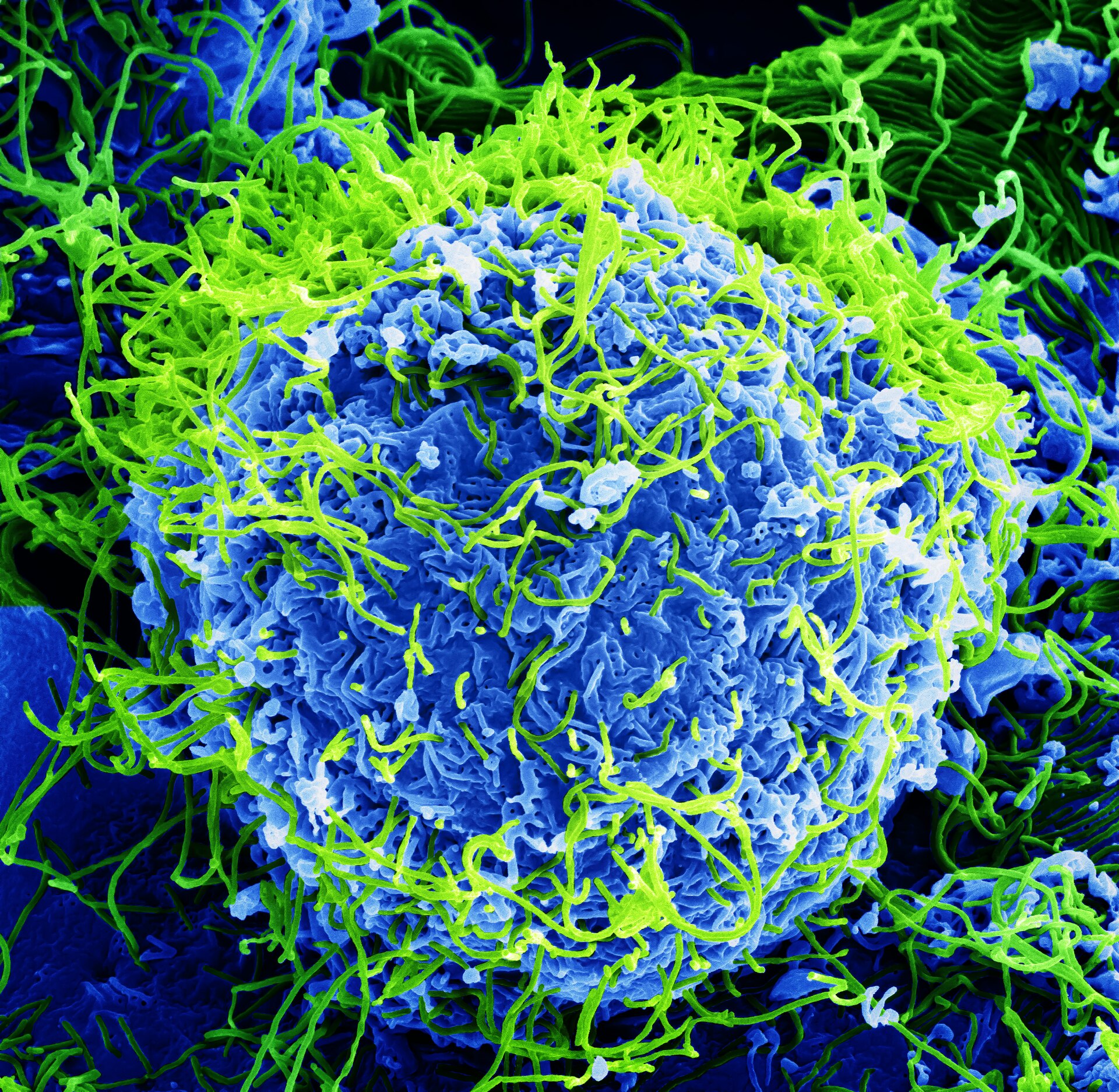
The Ebola outbreak in the Democratic Republic of the Congo, caused by the Bundibugyo strain of the virus, has reached 9,704 confirmed cases and 4,687 deaths as of Oct. 20, according to the World Health Organization's latest Disease Outbreak News update. The crude fatality rate among confirmed cases is 48.3%.
The outbreak was declared on May 15, 2026. Since then, cases have been reported in five countries: Congo, Uganda, France, and in October, Kenya and Nigeria, according to the WHO. The European Centre for Disease Prevention and Control says Uganda's outbreak has ended; Agence France-Presse, as published by NewsAfrican, reported that Uganda recorded 20 confirmed cases and two deaths before it was declared over in August.
Transmission in Congo remains "sustained" and "high-level," the WHO said. Since its previous update on Oct. 8, Congo reported 976 more confirmed cases and 482 more deaths. Of those 482 deaths, 307 occurred in communities rather than treatment centers, which the WHO said highlights "challenges in early case detection and timely access to appropriate care." In the 24 hours through Oct. 20 alone, Congo confirmed 67 new cases.
Ituri province is the center of the outbreak, with 7,040 confirmed cases and 3,271 deaths, the WHO said. Nord Kivu has 2,146 cases and 1,199 deaths and the highest provincial fatality rate, 55.9%. Cases have been confirmed in 66 health zones across eight provinces, and 50 of those zones reported at least one new case in the preceding 21 days.
Contact tracing is lagging. Of 30,130 contacts under follow-up, 79.7% were seen in the most recent 24 hours, below the 95% threshold the WHO considers necessary. Follow-up in Nord Kivu was 73.3%, which the agency called insufficient.
Kenya reported its first laboratory-confirmed case on Oct. 6, the WHO said: an adult man who traveled from Congo through Uganda by road and flew into Nairobi on Oct. 3. He had been ill for about a month and was treated at several hospitals in Congo before traveling. He died despite care. As of Oct. 20, Kenya had nine cases, including that death. All eight secondary cases are linked to him, including four family members and four health and care workers, and all were already in quarantine when symptoms began, the WHO said. ECDC reported the most recent Kenyan case on Oct. 20.
Nigeria confirmed its first case on Oct. 20, according to the WHO's Africa office: a woman with recent travel to Uganda, whose symptoms began Oct. 7, four days after she arrived in Nigeria. She sought care at a private facility in Abuja on Oct. 11 and was confirmed positive on Oct. 20. Forty-four contacts are being monitored. AFP, via NewsAfrican, reported she is the wife of a staff member at Switzerland's embassy in Abuja and returned from Uganda on Oct. 3, and that the Swiss foreign ministry said she had not visited Congo.
The two new national cases may be connected. Nigerian Health Minister Muhammad Ali Pate said Friday that genomic analysis shows the Nigerian case "appears to be closely related to the case identified in the index case in Kenya," according to AFP. "There is no evidence of travel of that index case in Kenya that links it to Nigeria, but the viruses are appearing to be related," he said. AFP reported that the Africa Centres for Disease Control and Prevention had earlier suggested the woman may have come into contact with Kenya's first patient at the airport, since both flew from Uganda on the same day. That remains a hypothesis under investigation.
Both arrivals were dated Oct. 3, according to the WHO and AFP, which is part of why investigators are focused on a shared travel route.
Bundibugyo virus disease is a severe form of Ebola disease; fruit bats are suspected to be the natural reservoir, the WHO says. The WHO says outbreak control relies on rapid case finding, isolation, contact tracing, safe burials and community engagement, "as no approved vaccines or specific treatments currently exist for BVD." On Oct. 23, a Phase 2/3 trial of vaccine candidates against the Bundibugyo virus, called TUMAINI, enrolled its first participants in Bunia, the capital of Ituri, the WHO said.
Not yet known: where the Nigerian patient was infected, whether the Kenyan and Nigerian cases shared a flight or terminal, and whether Congo's contact-tracing gaps can be closed as case counts keep rising.
Sources
- WHO Disease Outbreak News: Bundibugyo virus disease (DON622) (opens in a new tab)
- WHO Africa: Nigeria confirms imported case of Ebola Bundibugyo virus disease (opens in a new tab)
- ECDC: Ebola disease multi-country outbreak 2026 (opens in a new tab)
- NewsAfrican (AFP): Nigeria's first Ebola case highly similar to Kenyan one, minister says (opens in a new tab)