Boston Moves to Cut Restaurant Red Tape the Same Day It Names a New Licensing Board Chair
Mayor Michelle Wu proposed zoning changes for ownership transfers, takeout and restaurants in commercial districts, and named Ava Callender Concepcion to run the office that grants food and liquor licenses starting Nov. 4. The proposals still need approval.
Boston announced two changes to how restaurants get permission to open on Tuesday, one in its zoning rules and one in the people who run its licensing system. Mayor Michelle Wu proposed a set of zoning amendments meant to make it "easier and faster to operate a restaurant in Boston," and, in a separate release the same day, appointed Ava Callender Concepcion as executive director of the Mayor's Office of Consumer Affairs and Licensing and chair of both the Boston Licensing Board and the Boston Cannabis Board.
Wu announced the zoning proposals at Marabou Cafe, a Haitian restaurant in Mattapan Square that the Boston Globe reported received a liquor license this year after the state created 225 new liquor licenses for the city in 2025. "The last thing that an entrepreneur needs after all the work of raising money, finding a location, picking the perfect menu, building the ambiance, is to get tripped up by permitting," Wu said, according to the Globe.
According to NBC10 Boston, the administration described three main changes. The first would update the zoning code so that a restaurant changing owners would not have to refile the full set of permits it needs to operate if those permits were already approved. The second would allow restaurants "by right" in commercial districts, meaning a qualifying restaurant would not need a separate zoning approval to open there. The third is an update to the city's online guidance for people starting the process. The Globe reported that the measures would also allow more restaurants in mixed-use areas.
WBZ-TV reported that Wu said a restaurant that changes owners or wants to add takeout can currently trigger additional zoning reviews, and that her goal is to shorten the permit and license process "from a few months down to a few weeks." The station also reported that the reforms "won't happen overnight" and that some of the proposals have several steps before approval. Zoning amendments in Boston are typically adopted by the Zoning Commission after a public process; the administration's announcement did not give a date for a vote.
The scale of the problem is not new. The Globe cited a 2022 report by the Institute for Justice that found opening a basic restaurant in Boston, one that did not need zoning relief or a liquor license, involved more than 90 steps, thousands of dollars in fees, nearly two dozen forms and dealings with nine city agencies. "Our goal is to save restaurant owners time, money and stress so they can get to the work that actually matters," Wu said, according to NBC10 Boston.
The second announcement changes who will make many of the licensing decisions. Concepcion will begin on Wednesday, Nov. 4, 2026, succeeding Kathleen Joyce, who has led the office and chaired the Licensing Board since 2018 and became the first chair of the Cannabis Board in 2019, according to the city's release. In the new role, Concepcion will lead the Licensing Board's work to "grant and regulate alcohol and food licenses for restaurants, nightclubs, and other establishments," the Cannabis Board's review of cannabis applicants, and the city's entertainment licensing, outdoor public events and consumer affairs functions.
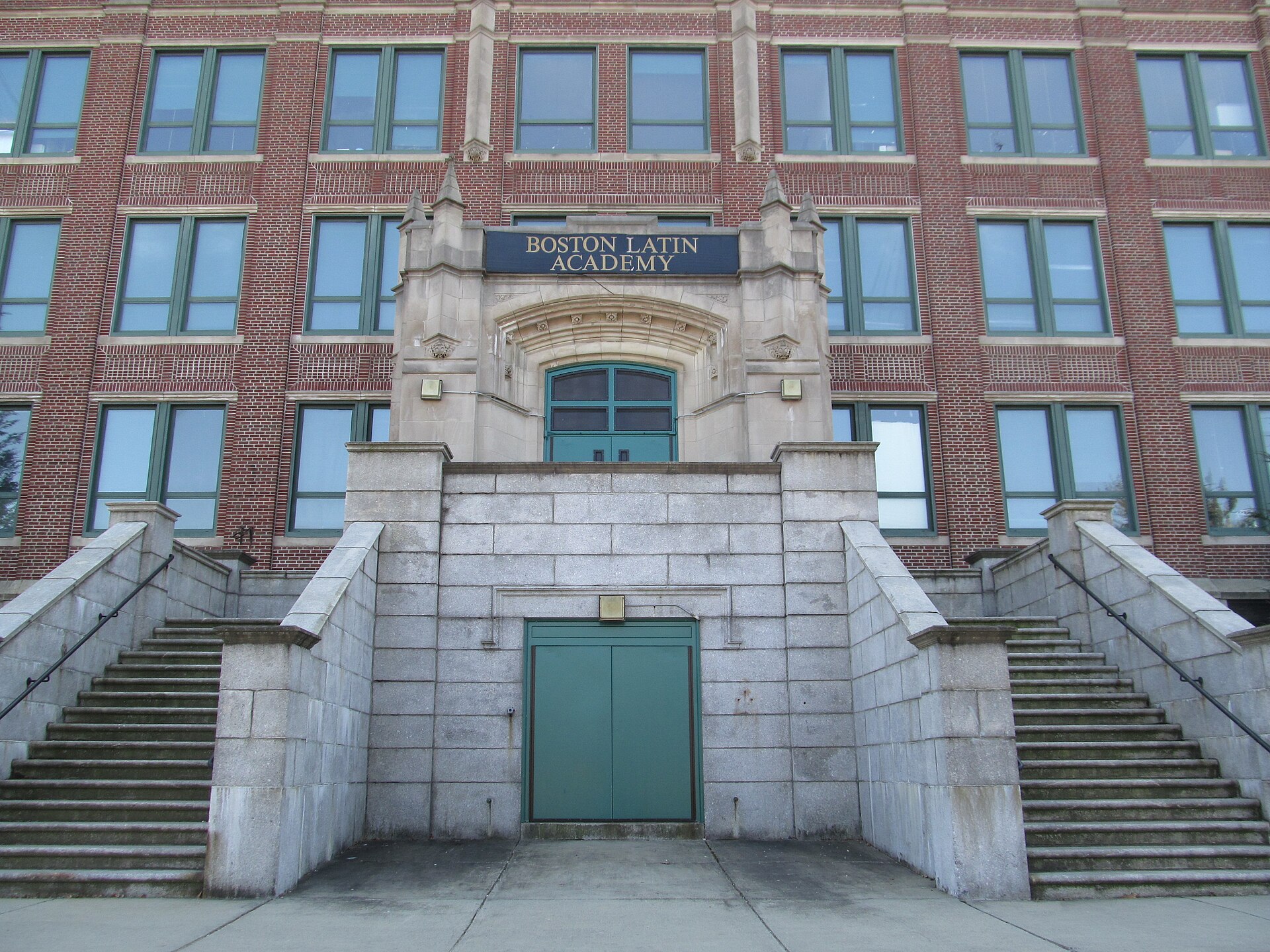
The release says Concepcion has most recently served as a commissioner on the Boston Licensing Board, where she helped implement the city's expansion of neighborhood-restricted liquor licenses. Before that, she was acting chair and a commissioner of the state Cannabis Control Commission, appointed to its public safety seat in 2021 by then-Attorney General Maura Healey. The city says she also worked as director of governmental affairs for the Suffolk County District Attorney's Office and as counsel to the Senate chair of the Legislature's Judiciary Committee, and was a candidate for Boston City Council. She is a graduate of Boston Latin Academy and New England Law, and was raised in Mattapan, according to the release.
"Boston's licensing system shapes the fabric and direction of our neighborhoods," Concepcion said in the release. Wu credited Joyce with licensing reforms, the expansion of neighborhood access to liquor licenses and pandemic-era outdoor dining programs. The release says Joyce most recently put in place a streamlined process for bars and restaurants to extend their hours and take part in open-container zones in summer 2026.
The two announcements cover different parts of the process. The zoning proposals address whether a restaurant is allowed at a location and what reviews a change of owner or service triggers; the Licensing Board decides food and alcohol licenses. A restaurant can need approvals from both. The city has not published a timeline for the zoning changes, and the releases do not say whether the Licensing Board will change any of its own procedures under new leadership.
What remains unclear: the exact text of the proposed zoning amendments, when the Zoning Commission will take them up, and how the city will measure whether permit times actually fall from months to weeks.
Sources
- City of Boston: Mayor Michelle Wu Appoints Ava Callender Concepcion as Chair of Boston Licensing Board (Oct. 27) (opens in a new tab)
- Boston Globe: Wu proposes changes to make it easier to open a restaurant in Boston (Oct. 27) (opens in a new tab)
- NBC10 Boston: Boston restaurant owners supported by new city policies (Oct. 27) (opens in a new tab)
- WBZ-TV / CBS Boston: New changes would make it easier to open restaurants in Boston (Oct. 27) (opens in a new tab)