Wu Wants to Exempt 7- to 9-Unit Buildings From Affordable-Housing Rules for Two Years. The Planning Board Votes Thursday.
The proposal keeps the 17% set-aside but stretches developer payments over seven installments, cuts a condo fee and freezes commercial linkage through 2027.
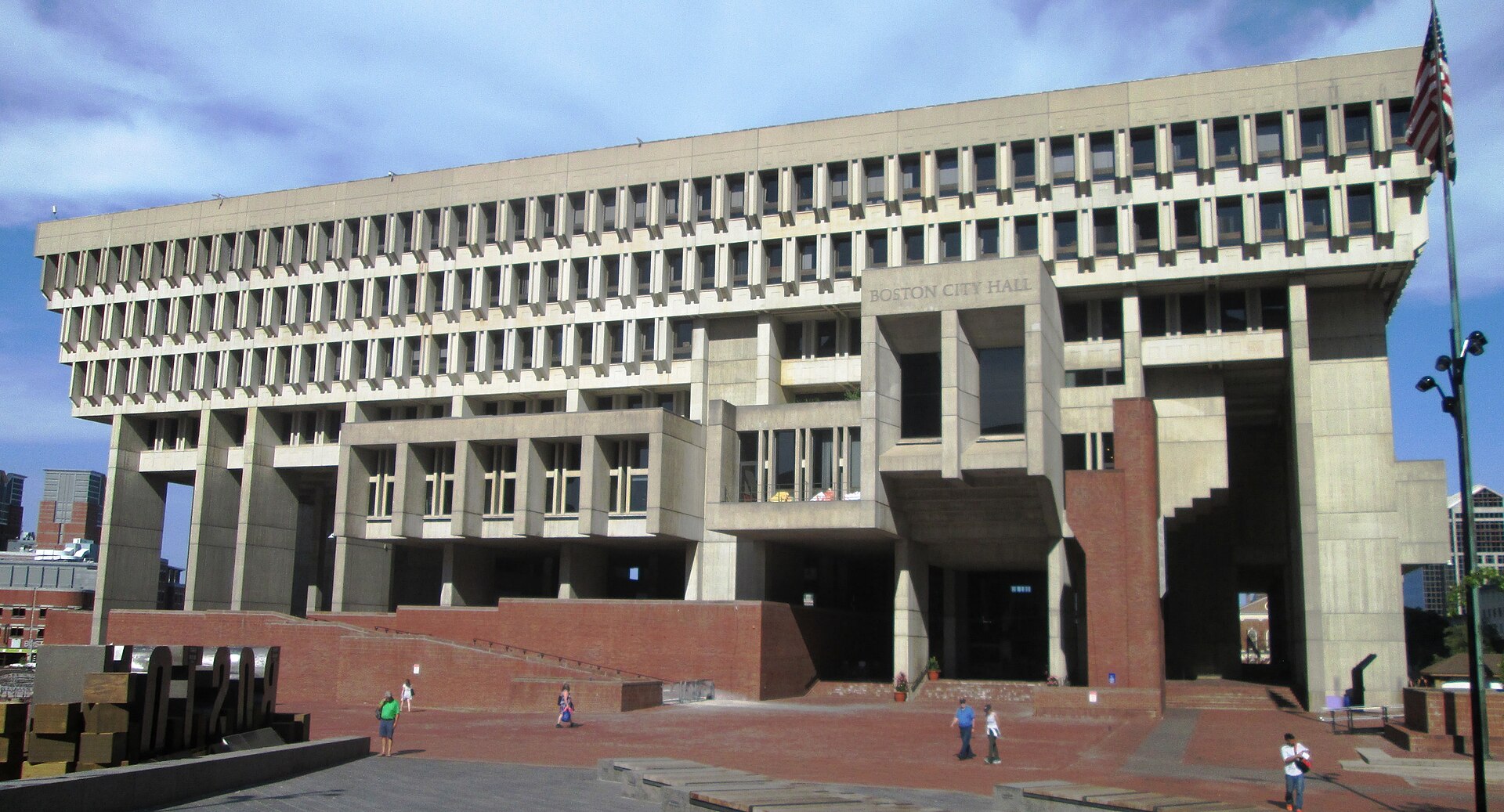
BOSTON — Mayor Michelle Wu's administration on Monday proposed loosening several pieces of Boston's affordable-housing rules for new construction, including a two-year exemption for buildings with seven, eight or nine units, in what city officials described as an effort to restart residential and commercial projects stalled by high interest rates and construction costs.
The package, announced by the Boston Planning Department, changes the city's Inclusionary Zoning program in four ways and its commercial Linkage program in two. The proposed amendments are expected to go before the Boston Planning and Development Agency board on Thursday, Nov. 12, followed by the Boston Zoning Commission. The Inclusionary Zoning changes would also go to the City Council.
"In the face of continued economic headwinds exacerbated by federal actions, we are making targeted adjustments to help more projects move forward and create more affordability," Wu said in a press release quoted by the Dorchester Reporter.
What would change. Under the current rules, developers who pay into the city's affordable housing fund rather than building income-restricted units on site make those payments in two large installments, half when the building permit is issued and half at the certificate of occupancy, according to The Boston Globe. The proposal would spread those payments over seven annual installments. The condominium payment-in-lieu fee would drop from 75 percent to 50 percent of the difference between a unit's market value and its income-restricted value, which the city says restores the level used under its previous policy.
The threshold that triggers the requirement would rise from seven units to 10 for two years, so projects with seven to nine homes would be exempt during that period. The rule that affordable units built off site must be within half a mile of the market-rate project would be replaced by a Mayor's Office of Housing policy that lets officials approve locations in a wider area, still within Boston. Asked by WBUR whether units could end up outside the city, Housing Chief Sheila Dillon said, "Over my dead body."
What would not change. The core set-aside stays in place: developers of covered buildings must still make 17 percent of units or floor space income-restricted, plus an additional 3 percent for households with Section 8 or similar vouchers, according to Universal Hub and the Dorchester Reporter. Dillon said rental developers would still owe the same total amount; only the timing would change.
The numbers behind the threshold change. Chief of Planning Kairos Shen told reporters the city has historically averaged about 14 projects a year in the seven-to-nine-unit band, but only one such project has been recorded in 2026, the Dorchester Reporter reported. The Globe reported that the city permitted an average of 144 units a year in that size range between 2021 and 2025. Officials estimate the temporary exemption could add 100 or more units a year. Shen cautioned that the exemption does not guarantee feasibility, noting that construction costs, land prices and building-code requirements also determine whether projects move ahead.
Commercial linkage. Linkage requires large commercial and institutional projects, currently those of at least 50,000 square feet, to contribute to affordable housing and job training. The fees adjust annually for inflation and were set to rise automatically on Jan. 1, 2027; Shen put the scheduled increase at about 4.09 percent. The proposal would freeze the fees at current levels through 2027 and spread the housing portion over seven installments. The Neighborhood Jobs Trust portion would remain at two payments. WBUR reported that only one project now under review would owe a linkage payment in 2026. The city paused a scheduled linkage increase for 2026 last year as well, the Globe reported.
Context. The administration's 2022 update raised the inclusionary requirement from 13 percent to 17-20 percent for projects of seven or more units, effective in 2024, according to WBUR. City officials say the program has generated more than $200 million for income-restricted homes, translating to more than 5,000 units. In the first nine months of this year, 2,448 units were permitted, which WBUR reported puts the city on pace for its best permitting year since 2022 but well short of the 13,000 homes the mayor's housing strategy set as a first-term goal.
Process and timing. The Council can reject the Inclusionary Zoning changes only by a two-thirds vote within 60 days before they proceed to the Zoning Commission, the Dorchester Reporter reported. The linkage changes need Zoning Commission approval before the scheduled increase takes effect on Jan. 1.