The U.S. Has Lost Its Measles Elimination Status After 26 Years. Here Is What the Designation Means and What Comes Next.
A regional commission found the same measles lineage circulated for at least 12 months in the United States, Mexico and Bolivia. U.S. cases this year are the highest since 1991.
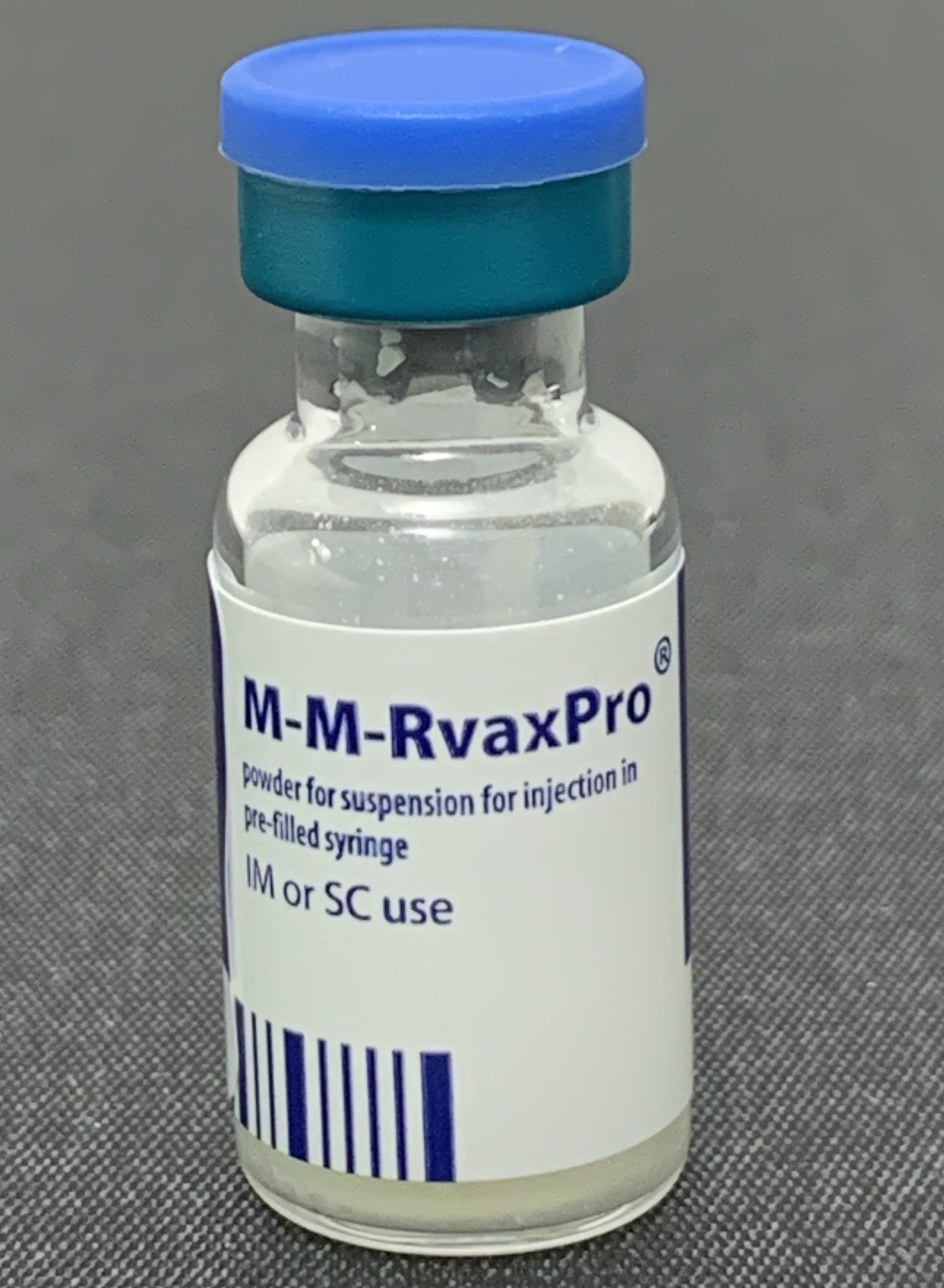
The United States has lost the measles elimination status it held since 2000, along with Mexico and Bolivia, after a regional review found that the same strain of the virus had spread continuously for at least a year in each country, the Pan American Health Organization announced.
PAHO's independent Measles and Rubella Elimination Regional Monitoring and Re-Verification Commission met Nov. 10 to 13. A country loses elimination status when a single genotype and lineage of the virus circulates uninterrupted for 12 months or more. According to PAHO, the United States reached that threshold on Jan. 20, 2026, a year after the outbreak lineage was first detected; Mexico on Feb. 1; and Bolivia on April 16.
The scale of the regional resurgence is large. As of Nov. 13, countries in the Americas had reported 58,213 measles cases and 82 deaths this year, compared with 12,806 cases in all of last year, PAHO said. Director Jarbas Barbosa urged countries to "step up efforts" to stop outbreaks and regain elimination.
In the United States, more than 5,400 cases have been reported in 2026, the most since 1991, and 10 people have died, at least four of them infants, NBC News reported. Vaccination coverage among kindergartners for the measles, mumps and rubella vaccine was 92 percent in the 2025-2026 school year, below the 95 percent level public health officials say is needed to prevent sustained spread.
The Centers for Disease Control and Prevention acknowledged the loss in a statement. The agency said it is committing $100 million to the response, in amounts of $50.2 million and $49.8 million, and has sent Epi-Aid field investigation teams to assist affected states.
Losing the designation does not by itself change how doctors treat patients or how health departments respond to cases. It is a formal finding that measles is again endemic, meaning transmission is sustained within the country rather than limited to cases imported from abroad. Regaining elimination status requires showing at least 12 months without continuous transmission of any lineage, along with strong surveillance.
The region's history shows how quickly gains can reverse. The Americas first eliminated measles in 2016 and regained regional elimination in 2024, the only World Health Organization region to achieve it, and the only one to do so twice. The region lost that verification in November 2025, when Canada's outbreak, which began in October 2024, passed 12 months of continuous transmission. Canada's outbreak has since been stopped, but PAHO says that does not automatically restore its status.
PAHO pointed to Brazil as a path back. Brazil lost its elimination status in 2019, interrupted endemic transmission in 2022 after extensive vaccination, surveillance and outbreak response, and regained measles-free status in November 2024. To be re-verified, a country must show at least 12 consecutive months without endemic transmission and provide evidence that it has strengthened the systems needed to keep transmission from becoming established again. For the region to regain its status, Canada, the United States, Mexico and Bolivia all must meet those requirements.
The resurgence is not limited to the Americas. In January 2026, the WHO announced that six countries in its European Region, Armenia, Austria, Azerbaijan, Spain, the United Kingdom and Uzbekistan, had lost elimination status, PAHO noted. The WHO estimated about 95,000 people died of measles worldwide in 2024, most of them unvaccinated or under-vaccinated children under 5. In 2025, about 84 percent of children worldwide received a first dose of measles vaccine and 77 percent completed the course.
Measles is one of the most contagious diseases known. It spreads through the air and can linger in a room for up to two hours after an infected person leaves. Most people who are not immune and are exposed will become infected. Complications include pneumonia and encephalitis, and the disease is most dangerous for infants too young to be vaccinated, pregnant people and those with weakened immune systems. Two doses of the MMR vaccine are about 97 percent effective at preventing infection.
For families, the practical guidance has not changed: health officials recommend that children receive the first MMR dose at 12 to 15 months and the second at 4 to 6 years, and that adults without evidence of immunity get vaccinated, particularly before international travel. Infants 6 to 11 months old traveling abroad are advised to receive an early dose.
The finding is a setback for a disease that was declared eliminated in the United States in 2000 after decades of vaccination. Before the vaccine became available in 1963, measles infected an estimated 3 million to 4 million Americans a year.
Open questions include how quickly the outbreaks can be contained, whether federal vaccine policy will change in response, and how long it will take the United States to demonstrate 12 months without sustained transmission.
Sources
- PAHO: Measles in the Americas: Questions and answers (Nov. 17, 2026) (opens in a new tab)
- PAHO: PAHO urges countries to step up efforts to stop measles outbreaks (opens in a new tab)
- CDC: Statement on loss of U.S. measles elimination status (opens in a new tab)
- NBC News: Measles no longer eliminated in the U.S. (opens in a new tab)
- AP News: US and Mexico lose their measles-eliminated designation (opens in a new tab)
- CDC: Measles vaccine recommendations (opens in a new tab)