The UN Counts 4,595 People Killed in Haiti's Armed Violence in 10 Months, and Says the Gangs Are Adapting
The Office of the UN High Commissioner for Human Rights reported the toll for Jan. 1 to Oct. 31, plus 2,050 injured, and described retaliation against residents, kidnappings and forced recruitment of children.
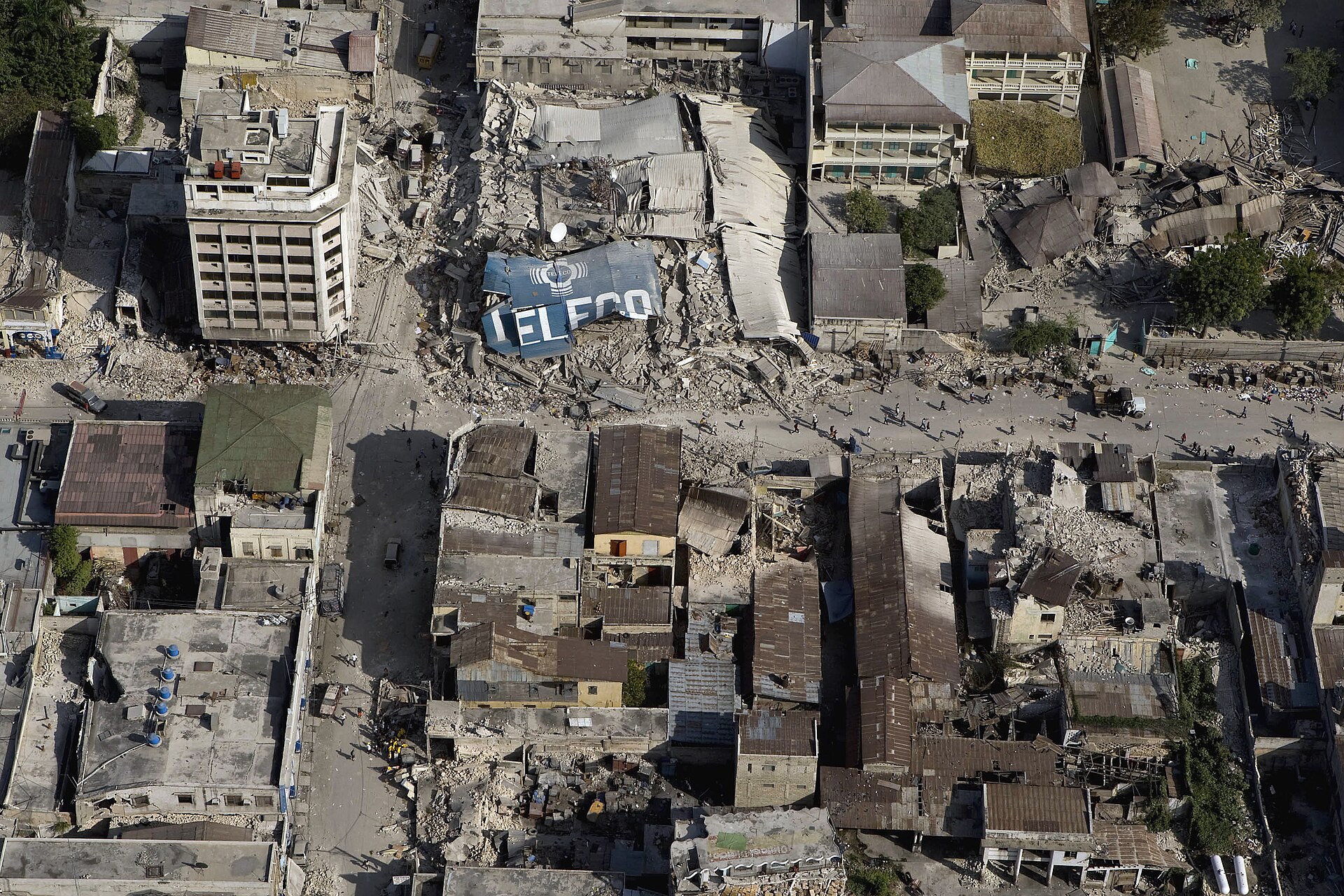
At least 4,595 people were killed and 2,050 injured in armed violence in Haiti between Jan. 1 and Oct. 31, 2026, the Office of the United Nations High Commissioner for Human Rights said Tuesday, according to Xinhua.
Speaking at a press briefing in Geneva, OHCHR spokesperson Marta Hurtado said criminal gangs had adapted their tactics as security operations intensified. She described retaliatory attacks against residents suspected of cooperating with security forces, organized kidnappings, and the forced recruitment of children and young people, along with restrictions on residents' freedom of movement.
The figures cover 10 months. Averaged across that period, the toll works out to roughly 460 people killed per month, or about 15 a day. The UN figure counts people killed and injured in armed violence; it is a documented minimum, as the office's phrasing "at least" indicates, and does not capture every death in areas where monitors have limited access.
The description of gang tactics matters for how the violence is understood. Retaliation against residents accused of helping police means that security operations can carry added risk for the civilians living in contested neighborhoods. Forced recruitment of children means that some of those drawn into armed groups are themselves children. And restrictions on movement affect access to food, health care and work for people who are not directly targeted.
Haiti has been living with an expanding gang crisis for several years, and the United Nations has repeatedly documented killings, kidnappings and sexual violence by armed groups, as well as abuses during operations against them. The new OHCHR figures extend that record through October of this year.
The office's briefing, as reported, did not break down the toll by perpetrator, location or month, and did not say how many of the dead were killed by gangs, by security forces or by self-defense groups. Those breakdowns typically appear in the office's fuller written reports.
Questions that remain include how the 2026 total compares with previous years in the office's own data, which areas account for most deaths, how many children have been recruited, and what international security support is now operating in the country.