Trump Lifts Tariffs on Some Canadian Goods After Collins Pushes for Maine Exemptions, but Adds Valves, Carpets and Waste Products
The changes to the 50% Section 338 tariffs take effect Oct. 30, four days before an election in which Collins faces Democrat Troy Jackson in a race widely seen as a tossup.
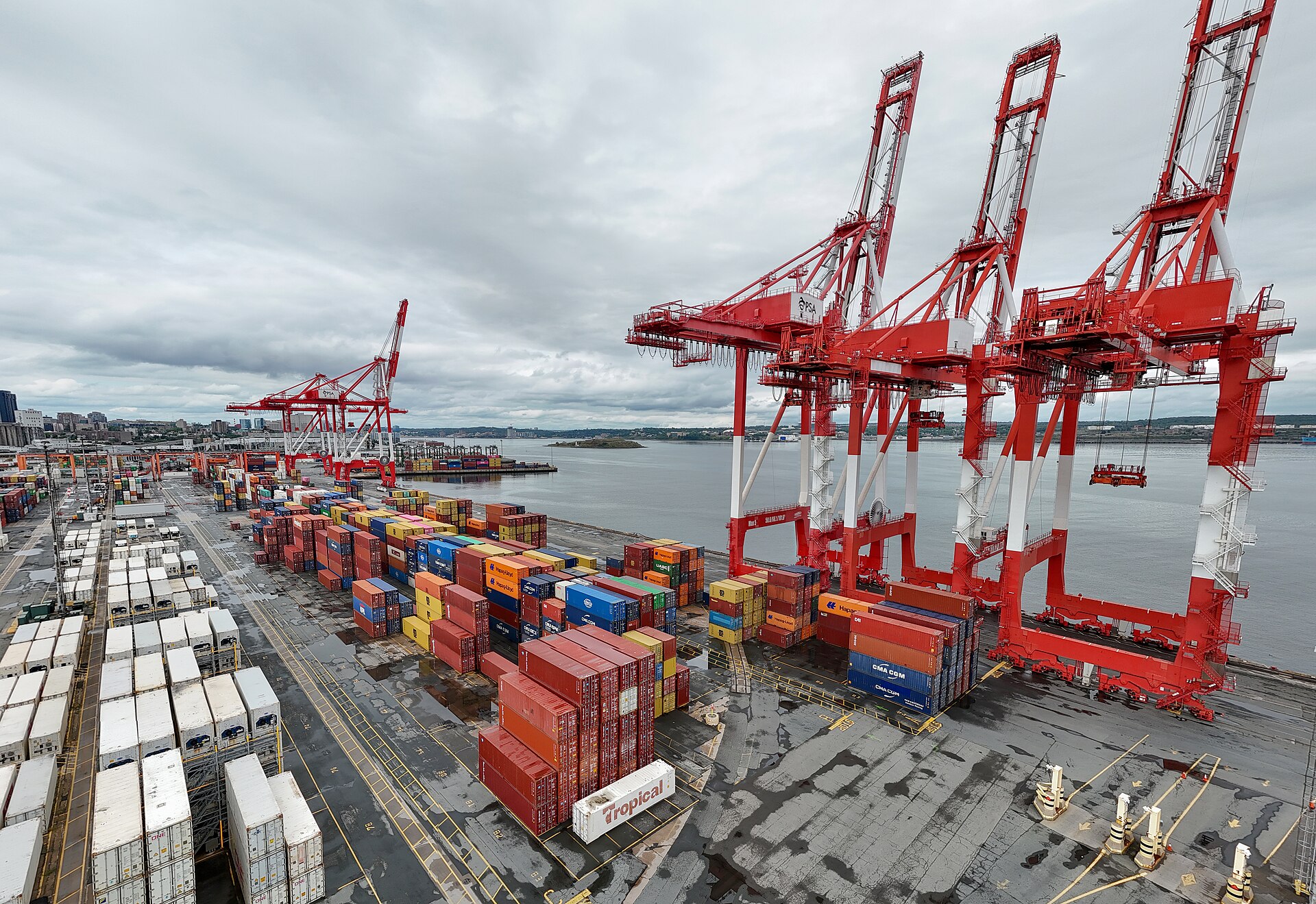
President Donald Trump on Friday signed a proclamation removing some Canadian products from the list of goods subject to 50% tariffs, while adding others, after Sen. Susan Collins, R-Maine, announced that she had secured exemptions for products she called "crucial" to Maine's farm economy, according to CNBC, Maine Public and the BBC.
The proclamation removes "certain products" from the list of items Trump placed under tariffs over the summer using a 96-year-old trade law, and replaces them "with certain valves, carpets, waste products, and others," according to a White House fact sheet cited by CNBC. The fact sheet said the changes are meant to "further refine the scope of the tariffs on certain Canadian products" and does not mention Maine. The additions and removals take effect Oct. 30, four days before the Nov. 3 election.
Collins's office announced the exemptions before the fact sheet was released, CNBC reported. Her release credited her with securing exemptions on "nine categories of products crucial for Maine's agricultural industries." The categories include corrugated paper and paperboard cartons, plastic boxes and crates, sacks, agricultural cleaning and grading machinery, packing and wrapping equipment and seaweed and algae products for human consumption, according to Maine Public. Collins wrote on X that the products matter to blueberry, potato, apple and seaweed producers, the BBC reported.
The White House described the eased items as including "plywood sheets, some paper products, certain machinery and refrigeration equipment," according to the BBC.
Collins's announcement did not mention that new products would be added to the list, CNBC reported. The White House announced the new tariffs less than an hour after she promoted the exemptions. Asked what Collins had agreed to in her talks with administration officials, her spokeswoman, Phoebe Keller, told CNBC that the senator "requested exemptions for products that are important to Maine and will continue to do so."
"In my repeated conversations with Ambassador (Jamieson) Greer, Secretary (Howard) Lutnick, and other senior Administration officials, I have asked for tariff relief for these important products and stressed the burdens additional costs impose on Maine businesses and families," Collins said in a statement, according to Maine Public. "I will continue working directly with Administration officials to seek additional relief from tariffs and encourage a broader trade agreement with Canada, our neighbor, ally, and largest trading partner." CNBC noted that, according to the U.S. Census Bureau, Mexico is the largest U.S. trading partner.
It is the second time in less than two months that Collins, who chairs the Senate Appropriations Committee, has claimed credit for carve-outs to tariffs on Canadian goods, Maine Public reported. An earlier round included road salt, cement and pulp used by Maine paper mills. The Wall Street Journal, which first reported the exemptions, reported that they were aimed at helping Collins in her race, according to Maine Public.
Collins's Democratic opponent, logger and former Maine Senate President Troy Jackson, responded in a statement: "Trump's trade wars have made life harder and more expensive for Mainers. Susan Collins enabled this chaos, voted to confirm the people behind it, and now wants credit for bringing a cup of water to put out the fire." At the candidates' first televised debate on Oct. 6, after Collins cited the earlier road salt exemption, Jackson replied, "What about everything else? We can't eat road salt," CNBC reported.
Misha Linnehan, a spokesperson for the Maine Democratic Party, said Trump "knows Susan Collins' campaign is in trouble" and is "playing politics with our trade policy," according to Maine Public. The race is widely considered a tossup, and early voting is underway, the outlets reported.
White House spokesman Matthew Middleton told CNBC the proclamation is part of Trump's efforts to "address Canada's discriminatory treatment of U.S. commerce." He said the president "is taking action in response to Canada's continued discrimination against and additional retaliation targeting U.S. commerce, with the goal of protecting American farmers, manufacturers, and workers."
The United States imposed the 50% levy on $20 billion worth of Canadian goods after trade talks collapsed in August, the BBC reported. Prime Minister Mark Carney matched the tariffs "dollar for dollar" last month. Canadian Internal Trade Minister Dominic LeBlanc said that "while we assess these latest steps, Canada stands ready to work constructively and in good faith towards a more mutually beneficial trading relationship."
Trump said Friday that Canada was "working very hard" on a trade deal, according to the BBC. Carney said Canada was open to a deal but willing to wait. "We could sign it this afternoon if the US were there," he said, according to the CBC as cited by the BBC. "If it has to be months from now or longer than that, or another administration, before a proper deal comes into place, we will do that."
Maine imports far more from Canada than from any other country, and many of the tariffs have strained businesses there, CNBC reported. Maine borders New Brunswick and Quebec, and the economies of it and other border states are closely tied to Canada, according to the BBC.