Travis Scott, Don Toliver and Sony Sued by Israeli Producer Who Says 'What to Do?' Used His Beat Without Paying Him
Niv Kalisky, known as Early Yellow, says he was credited on the 2019 Jackboys track but never paid. His 52-page complaint seeks half the rights to the recording and at least $1 million.
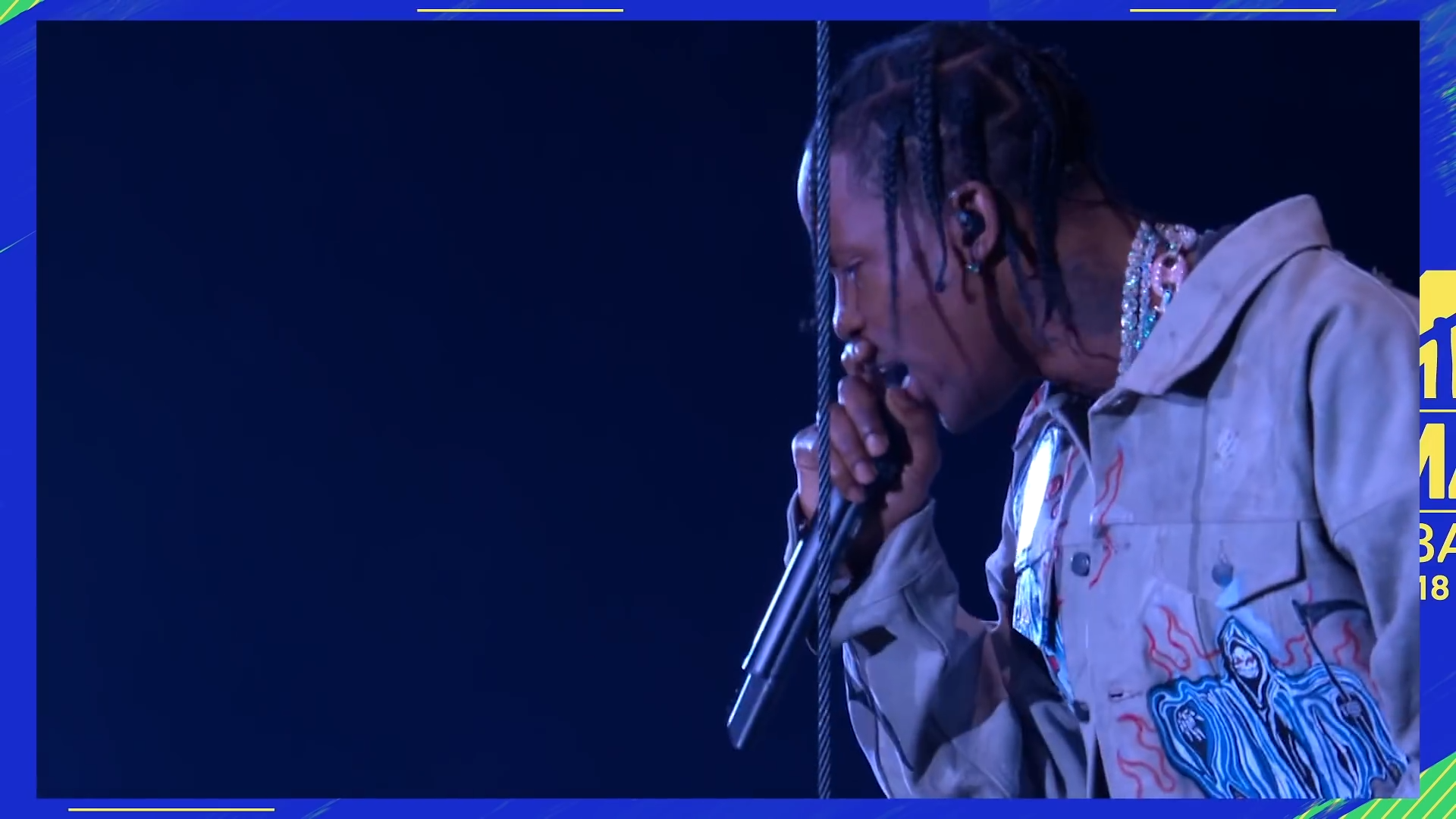
An Israeli music producer has sued Travis Scott, Don Toliver and Sony Music, alleging that the 2019 song "What to Do?" from Scott's Jackboys collective was built on his beat without a license or payment, Rolling Stone reported. The claims are allegations, and the defendants have not responded in court.
Niv Kalisky, who records as Early Yellow, filed the 52-page complaint Tuesday in federal court in Manhattan, case No. 1:26-cv-10094, according to Copyright Now. The defendants include Scott, whose legal name is Jacques Bermon Webster II; Sony Music Entertainment and its Epic Records label; Cactus Jack Records; LaFlame Enterprises; and six others, five of them individuals. Toliver, whose legal name is Caleb Zackery Toliver, is among the individuals the complaint says took part in incorporating the sample.
Kalisky says he shared his original recording, "Moazin99bpm," with representatives of two producers who worked on the track. Months later, one of the producers allegedly sent him a version incorporating his beat for review and approval. No licensing deal was reached, he says, and after "What to Do?" was released he received nothing.
The song, from Scott's chart-topping 2019 album "JackBoys," has logged more than 270 million streams on Spotify and more than 60 million plays on YouTube, according to the complaint. Kalisky says he was publicly credited as a producer and songwriter on Apple Music and Spotify but never received royalties.
The lawsuit accuses the defendants of "willful unauthorized usage and monetization" and says they generated "hundreds of millions of compensated streams" while paying Kalisky "zero compensation" over seven years.
It also makes a specific accusation against Sony. Kalisky alleges the company engaged in an "illegal monetization scheme" by filing what he calls "wrongful and fraudulent" challenges to his copyright takedown notices, which kept the song on streaming platforms. Copyright Now reported that the complaint grounds personal jurisdiction in a counter-notification filed in response to a takedown notice, under the Digital Millennium Copyright Act.
"The business model of utilizing the valuable intellectual property owned by the plaintiff without paying or negotiating proper licensing has been an extremely lucrative practice for the defendants," the complaint says, adding that they continued "despite receiving several notices of breaches and even after valid 'takedown' notices were filed by the plaintiff."
Kalisky is seeking a declaration that the defendants willfully infringed his copyright and that he owns 50 percent of all rights in the sound recording, as well as an accounting of its earnings, a share of profits and at least $1 million in damages for unfair competition, misappropriation, misrepresentation and unjust enrichment. The recording is registered with the U.S. Copyright Office, the complaint says.
Representatives for Scott, Toliver and Sony did not immediately respond to Rolling Stone's requests for comment.
The case is one of a growing number of lawsuits by producers who say they supplied samples or beats to major artists without completed agreements. Earlier this month, two producers sued Ye and Ty Dolla $ign in Los Angeles over the title track of "Vultures 1," making similar claims about music shared informally and released without a license.
The complaint, which Copyright Now describes as an eight-count filing, names four other individuals besides Scott and Toliver: Khadimou Rassoul Cheikh Fall, who performs as Sheck Wes; producer Michael George Dean, known as Mike Dean; James Austin Cyr, known as London Cyr; and Julius Alexander Brown, known as Jenius. London Cyr Productions Inc. is also a defendant. The complaint alleges that Scott, Toliver and Sheck Wes perform together as Jackboys and that all six individuals took part in incorporating the sample, while the companies distributed, monetized and licensed the recording without authorization.
Kalisky says "Moazin99bpm" is registered with the U.S. Copyright Office as Registration No. SR-1-071-542, and that he created and fixed it before the beat used on the song was made. The complaint claims venue in Manhattan because Sony Music Entertainment and Epic Records reside in the Southern District of New York. None of the allegations has been tested in court.
Unanswered: what agreements, if any, the producers on the track had with Kalisky, how Sony responds to the takedown allegations, and whether the parties settle before litigation proceeds.
Sources
- Rolling Stone: Travis Scott and Don Toliver sued for copyright infringement over 2019 hit 'What to Do?' (opens in a new tab)
- Copyright Now: Kalisky v. Sony Music and Travis Scott (S.D.N.Y. 1:26-cv-10094) (opens in a new tab)
- Billboard: Travis Scott and Don Toliver face lawsuit over JACKBOYS song sample (opens in a new tab)