Supreme Court Weighs Whether the Labor Department Can Fine Farms in Its Own Courts Over H-2A Violations
A New Jersey farm was ordered to pay about $557,000 after inspectors found infested housing and early firings. The justices appeared divided Tuesday over whether only a federal court can impose that kind of money judgment.
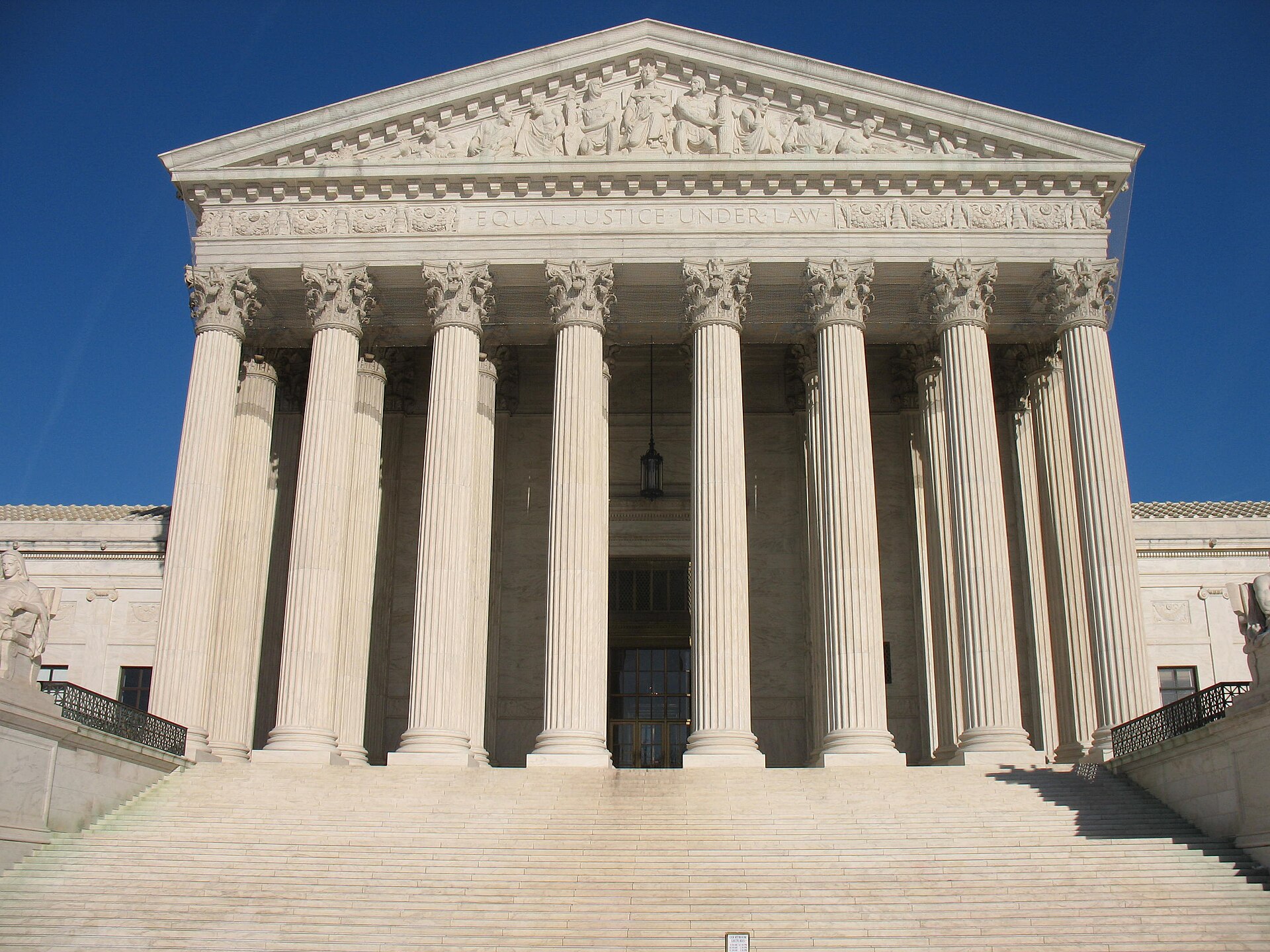
WASHINGTON — The Supreme Court on Tuesday, Nov. 10, heard argument in Department of Labor v. Sun Valley Orchards, a case that asks whether the Labor Department may use its own administrative judges to order employers to pay civil penalties and back wages for violating the rules of the H-2A agricultural guest-worker program, or whether the Constitution requires those cases to go to a federal court, according to the court's docket.
The questions. The court agreed in April to decide two questions: whether Article III of the Constitution bars the department from adjudicating proceedings to collect money from employers accused of violating H-2A employment terms, and whether the H-2A statute, 8 U.S.C. 1188(g)(2), authorizes the department to do so, according to the docket. Sarah M. Harris of the Solicitor General's office argued for the government; Robert E. Johnson argued for the farm.
The farm. Sun Valley Orchards is a New Jersey farm that hired 96 H-2A workers and 51 domestic workers in the 2015 growing season, according to the Legal Information Institute's case summary. After investigating, the department found it provided infested housing, failed to provide required kitchen access and fired workers before their contracts ended, and ordered it to pay $212,250 in civil penalties and $369,703.22 in back wages. An administrative law judge modified those amounts to $211,800 and $344,945.80, and the department's Administrative Review Board affirmed.
The farm sued. A federal district court in New Jersey upheld the department, but the U.S. Court of Appeals for the Third Circuit reversed, applying the Supreme Court's 2024 decision in SEC v. Jarkesy. The appeals court concluded the claims resembled traditional contract suits for money, which involve private rights that must be decided by an Article III court, according to the case summary.
The arguments. The department argues H-2A enforcement involves public rights that Congress may assign to an agency because it concerns immigration and a government-granted privilege to hire foreign workers, and that the statute lets the secretary "impose" penalties directly while requiring the secretary to "seek" injunctions in court. It warns a ruling against it could disrupt 40 years of enforcement. Sun Valley argues the claims look like common-law contract suits, that penalties "punish and deter" and belong in court under Jarkesy, and that Congress never clearly authorized in-house monetary adjudication. It notes total H-2A penalties were $326,838 across 55 employers in 2009, according to the summary.
The stakes, as described by the parties' supporters. Groups backing the department, including Public Citizen and farmworker advocates, argue that forcing every case into federal court would weaken protection for workers who often fear retaliation and cannot sue under the main federal migrant-worker law; a group of law professors noted roughly 315,000 H-2A visas were issued in 2024. Supporters of the farm, including former department officials and small-business groups, argue the department can still bar violators from the program and sue in court, and that small farms struggle to litigate twice. They point to Justice Neil Gorsuch's Jarkesy concurrence, which noted the SEC won about 90% of contested in-house cases but 69% in court.
A decision is expected by the end of the court's current term.