The Supreme Court Will Hear the Case That Tests Whether an Administration Can Turn Asylum Off at the Border.
The justices granted review in Mullin v. Refugee and Immigrant Center for Education and Legal Services, No. 26-239. The dispute is over a proclamation and Homeland Security guidance that suspended asylum access at the southern border.
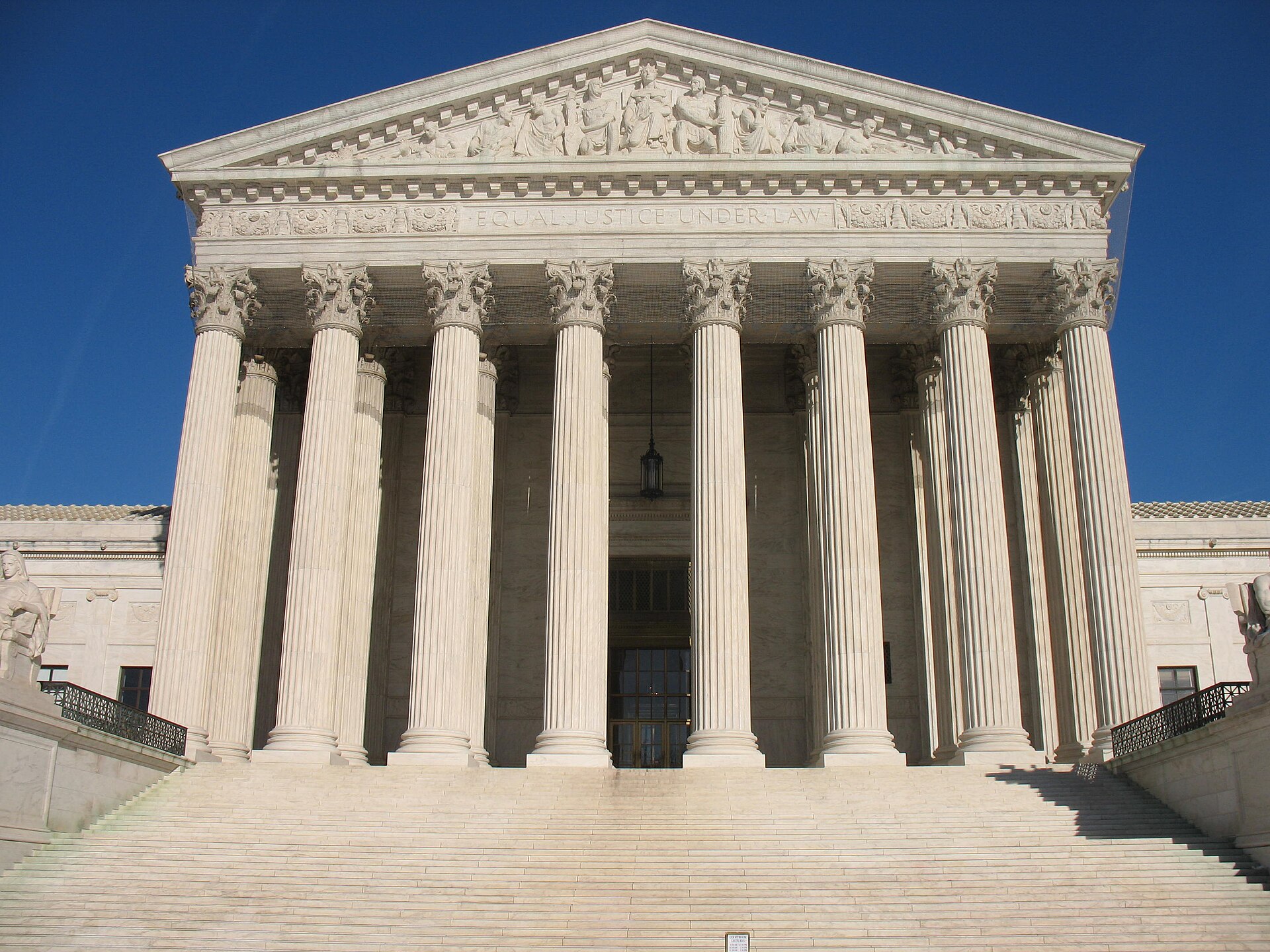
The Supreme Court agreed last week to hear a case that will decide whether the Trump administration lawfully suspended access to asylum at the U.S.-Mexico border. The petition is Mullin v. Refugee and Immigrant Center for Education and Legal Services, No. 26-239. SCOTUSblog and Roll Call reported the grant on Nov. 13. The underlying question, as framed in the court's papers, is whether a presidential proclamation and department guidance can lawfully shut off a protection that federal statute has long made available to people who arrive at the border and ask for it.
The grant is not a ruling on the merits. It is a decision to take the case. Arguments are expected in the spring, with a decision likely before the end of the 2026-27 term, according to those accounts. Until the court speaks, the lower-court record and the administration's policy remain in a state of organized conflict: one side says the president may use an 'invasion' or similar framing to suspend asylum processing; the other says the asylum statute cannot be switched off by proclamation.
The Refugee and Immigrant Center for Education and Legal Services, known as RAICES, is among the organizations that challenged the policy. The administration has defended the suspension as an exercise of executive authority over the border. Those are the official positions. The justices will be asked to choose between them, or to draw a line that leaves some of the policy standing and some of it not.
What the court does with this file will reach far beyond the named parties. If the justices uphold the suspension, future administrations will have a precedential path to turn asylum processing off at the border by proclamation and guidance, without waiting for Congress to amend the statute. If the justices strike it down, the statute will have been read as a limit on that path, at least until Congress writes a different one. Either result will be cited in the next border emergency, by the next president, of either party.
The timing is part of the story. The court took the case in mid-November, into a term that will still be open when the next summer travel and enforcement season arrives. A spring argument and a June or early-summer opinion is the ordinary calendar for a grant issued now. People who are arriving at the border this winter will not be holding that opinion in their hands. They will be processed, or not, under whatever rules are in force while the justices brief and hear the case.
Lower courts have already produced the record the Supreme Court will now review. This account does not retry those opinions. It notes the fact of the grant, the caption, the docket number, and the question the court has agreed to decide. The policy's supporters will describe the grant as a chance to restore a tool they say the border requires. Its opponents will describe it as a chance to lose a statute they say is not optional. Both descriptions are advocacy. The court's description, when it comes, will be the one that binds.
For Massachusetts, the case is national law with local consequences. The state has legal-aid organizations, university clinics and immigrant communities that will feel a change in asylum access even if the legal fight is styled as a southern-border case. The docket is in Washington. The effects, if the court blesses a shutdown of asylum, will not stop at the Rio Grande.
What remains unanswered is the only question the grant does not decide: whether the proclamation and the guidance were lawful. The justices have said they will answer it. They have not said how.
Briefs will now come in on a schedule the court will set, and the administration will have to defend not only a policy but a theory of statutory override. Immigration-rights groups will have to do more than describe harm at the border; they will have to show that the asylum statute leaves no room for the proclamation they are attacking. That is ordinary Supreme Court work. It is also, in this instance, work that will tell every future White House how far a border emergency can be used to rewrite a protection Congress already wrote.
Sources
- SCOTUSblog: Supreme Court agrees to hear case on Trump administration's suspension of asylum (opens in a new tab)
- SCOTUSblog: SCOTUS grants asylum ban case (opens in a new tab)
- Roll Call: Trump's 'invasion' asylum ban to face justices, Nov. 13, 2026 (opens in a new tab)
- Supreme Court docket, No. 26-239 (opens in a new tab)