Suno Asked a Massachusetts Judge to Freeze the Labels' Second Lawsuit. The Labels Want the New Model Examined Now
The AI music company wants the UMG/Sony v6 case paused until key rulings in the 2024 training suit before Judge F. Dennis Saylor IV. DistroKid's AI-track data fight is on a separate November clock.
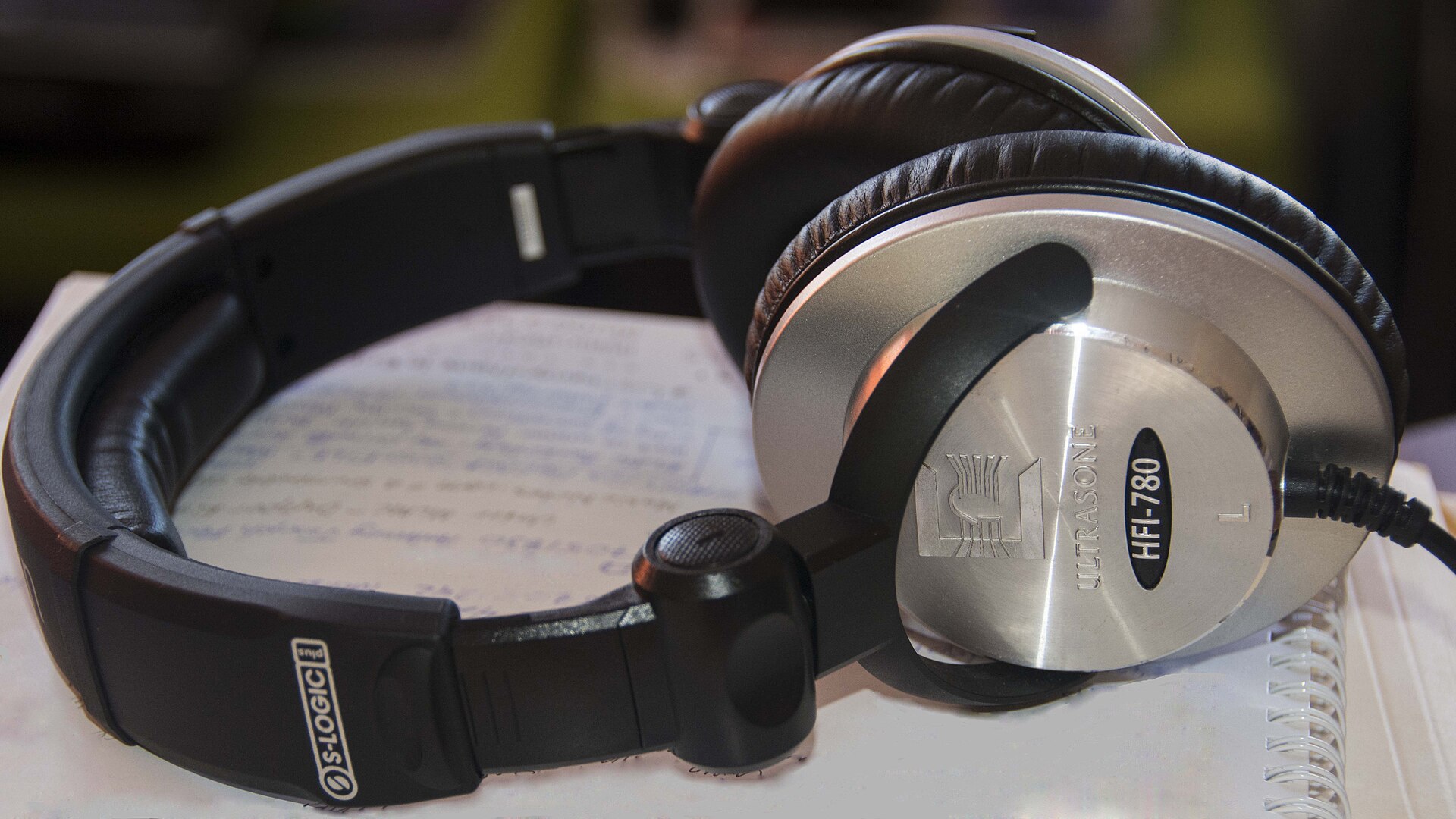
Look, the music business just turned a Massachusetts federal courtroom into the pit lane for AI music. Suno — the generative-music company the majors love to sue — asked the court on Oct. 30 to hit pause on Universal Music Group and Sony Music Entertainment's second copyright lawsuit, the one aimed at Suno's new v6 model suite, according to Law360 reporting carried in industry roundups this week.
Suno's argument is sequencing: wait for key rulings in the labels' first case, filed in June 2024 in the same Boston courthouse before Judge F. Dennis Saylor IV, before digging into v6. The second suit dropped Sept. 18, nine days after Suno launched v6 with Warner Music Group, BMG and Believe listed as partners. Pause the sequel, Suno says, until the original decides what "training on copyrighted sound recordings" means under the law.
Why the pause is the whole fight
If Judge Saylor stays the second case, the court decides the training question once on the older models — and Suno keeps shipping v6 while that plays out. If the cases run together, the labels get discovery into the new model, the partnership terms, and what v6 was trained on. That is not a scheduling nicety. That is who sees the engine first.
The labels' core allegation in the first case — that Suno copied huge numbers of copyrighted recordings to train its generator — remains an allegation in a pending lawsuit, not a finding. Suno's pause request is a litigation position, not a ruling. As of Thursday morning, coverage reviewed for this story did not show Saylor granting or denying the motion.
DistroKid's November 6 side quest
While Suno asks one docket to slow down, the majors are pressing DistroKid for monthly counts of AI-flagged tracks, the streams those tracks earned, and how many trace back to Suno, with a response window landing around Nov. 6 in the same industry reporting chain Boston Uncut has been following. DistroKid has said it distributes a huge share of new music worldwide; the majors have said they are "working on a resolution" with the company. That fight is about the pipes. The Saylor fight is about the model.
Dez's read
In my read, Suno wants to litigate yesterday's software while today's software earns streams. The labels want the microscope on whatever is charting now. Warner, BMG and Believe showing up as v6 partners does not prove they blessed any particular training set — and nobody should pretend a partnership press release is a chain of custody for stems. Fans asking whether the majors can partner on the front end and sue on the back end are asking the right awkward question. The docket will answer it slower than the timeline.
Massachusetts matters here because the cases are here. This is not a Los Angeles rumor cycle. It is a Boston federal judge with two related dockets and a motion that decides whether discovery into v6 starts before or after the industry already moved on to v7.
What we still don't know
Whether Saylor grants the stay; what summary judgment in the first case says about fair use and training; whether DistroKid's numbers, if produced, show Suno's fingerprints at scale; and whether partnership with Warner/BMG/Believe survives a discovery order the partners did not bargain for in the launch photos.
Until those answers land, the honest scoreboard is simple: second lawsuit filed, pause requested, no ruling yet, v6 still live. Everything else is lawyers talking past each other at 200 words a minute.
As of 2026-11-05, no superseding order or official retraction reversing the core timeline in this article had appeared in the materials reviewed. Primary documents and named outlets control the facts above. Speculation is labeled as such. Allegations remain allegations until a court or agency finds otherwise. Boston Uncut will update if dockets, certified tallies or official releases change the record.
Readers comparing competing headlines should check the date stamps and the primary links. Same-day social media summaries often compress court minutes and campaign statements past the point of accuracy; this piece prefers the slower, cited version.
As of Thursday morning, Nov. 5, 2026, the public record on this story remained as described above. Contemporaneous accounts from the linked outlets supply the quotations and figures used here. Where those outlets disagree on color, this story keeps the overlapping procedural facts. Boston Uncut does not invent dialogue, headcounts or motives absent from those sources. Updates will follow if primary agencies post correcting notices.