Spain's Second High-Speed Rail Disaster of the Year Kills 68; Minister Blames Computer Failure and 'Inexplicable' Order
A Renfe train bound for Seville struck a stopped Iryo train from behind south of Madrid. Transport Minister Óscar Puente says a control centre told the trains to move without speed limits. The crash comes four weeks before a national election.
A high-speed train crash in central Spain on Wednesday killed at least 68 people and injured dozens more, the country's second deadly high-speed rail disaster this year, the BBC and NPR reported.
The crash happened just after 9 a.m. local time about 140 kilometers (87 miles) south of Madrid, between the municipalities of Mora and Orgaz in the province of Toledo. A train run by the state-owned operator Renfe, traveling from Madrid to Seville with 397 passengers, struck from behind a train operated by the private company Iryo that had stopped on the tracks with 147 passengers aboard. Several carriages fell down an embankment, one caught fire, and photographs showed a long piece of track had speared through a carriage, the BBC reported.
Transport Minister Óscar Puente said a computer failure followed by human error caused the crash. He said the Iryo train had stopped because of a computer failure. When the system fails, he said, a 24-hour control center in Madrid takes over, and it made an "inexplicable" decision to instruct the trains to move again without speed restrictions.
Survivors described chaos. "Suitcases started flying and people were screaming," Tangui Binier, 22, a passenger on the Iryo train, told the BBC. Salvador Arriza, 62, on the Renfe train, told Reuters the force was "brutal" and that passengers broke windows to get out while "some people couldn't move because they were trapped amongst the seats." Another passenger told El Mundo he was "in the air for about four or five seconds."
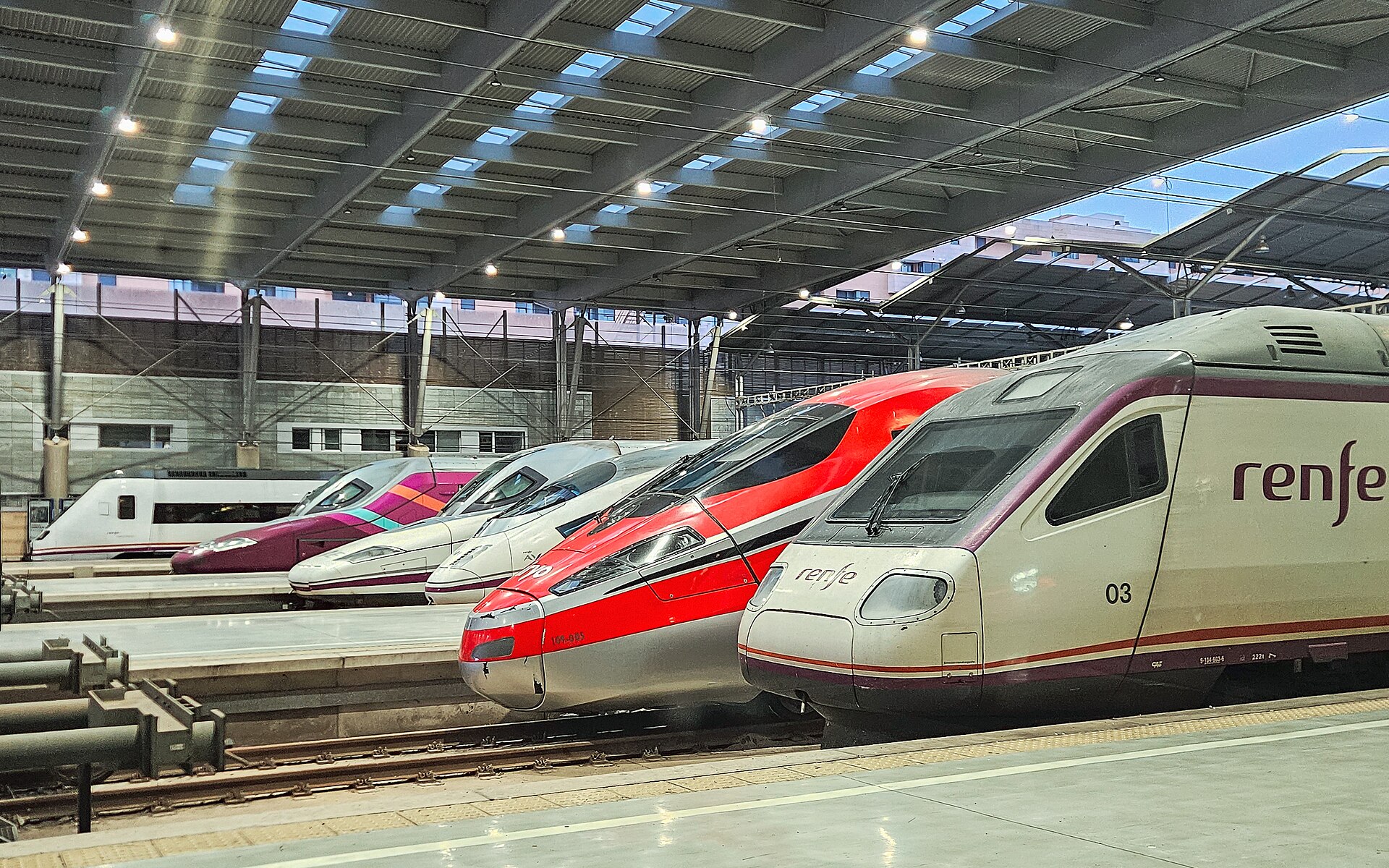
The BBC described it as one of the worst train crashes in Europe's modern history and Spain's deadliest in 13 years. In January, 46 people died when a train jumped the track and hit another going the opposite way in southern Spain, NPR reported. Both crashes this year involved a Renfe train and an Iryo train. Spain opened high-speed service to competition in 2021; Italian-owned Iryo began service the following year.
Spain's high-speed network ranks second only to China's in track length and carried 45 million travelers last year, NPR reported. Until this year, it had not had a deadly crash in more than three decades of service.
Prime Minister Pedro Sánchez visited the site and declared three days of mourning beginning Thursday. "It is clear that we need to reinforce the safety of our train service to rebuild the trust in our high-speed rail," he said. "It is not acceptable for a country like Spain to endure two high-speed train accidents in the same year." Asked whether he would resign, Puente said he was focused on the response, not his future.
The crash lands four weeks before a national election that polls show is difficult for Sánchez's Socialists. Popular Party leader Alberto Núñez Feijóo canceled his party's campaign events for the day and demanded a full investigation, saying Spaniards "are asking tough questions that demand answers." Vox leader Santiago Abascal called the government "a criminal organization" hours after the crash.
Pending: the findings of the official investigation, the identity of the control-center decision-makers, and whether the signaling system had a backup that failed.