Seven Years Later, SoundExchange's Unpaid-Royalties Case Against Music Choice Is Back: 75 Days of Damages Discovery, Then Settlement Talks
The fight is over whether the cable-channel service owed royalties on all of its business-music revenue. The Copyright Royalty Board sided with SoundExchange; the D.C. Circuit tossed Music Choice's appeal on jurisdiction.
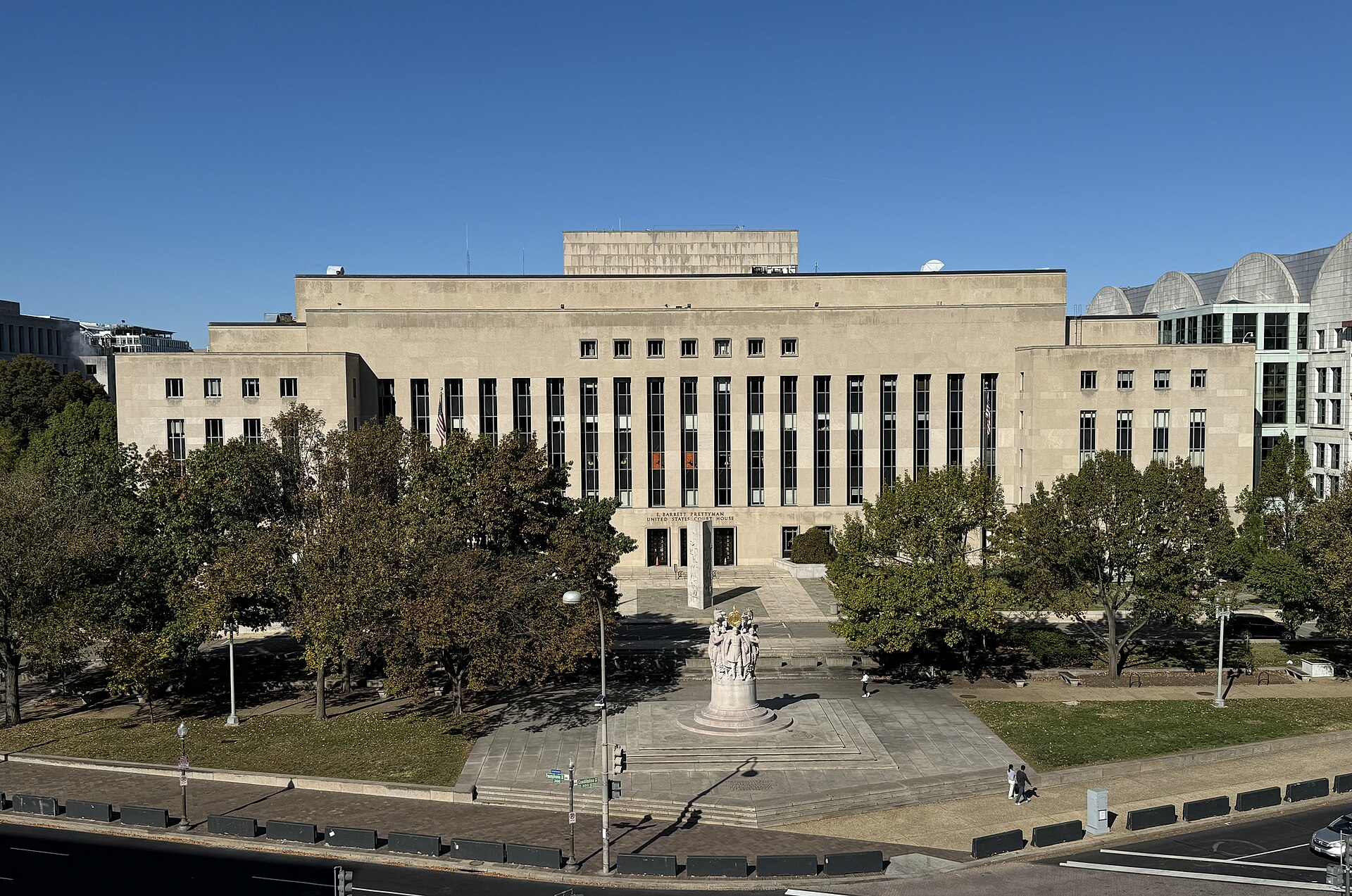
A lawsuit accusing Music Choice of shorting artists and labels on royalties is moving again in federal court in Washington, D.C., more than seven years after SoundExchange filed it, according to a Nov. 2 joint report described by Music Business Worldwide and Digital Music News.
The players. SoundExchange is the nonprofit designated by the Copyright Royalty Board to collect royalties from services that use recordings under government-set licenses and pass them to artists and labels. Music Choice runs music channels carried by cable and satellite TV providers, plus a background-music service for businesses, MBW reported.
The dispute. The case concerns Music Choice's business service, known in the royalty rules as a business establishment service, or BES. Under the board's rules, such services pay royalties as a percentage of revenue: 10% from 2009 to 2013 and 12.5% from 2014 to 2018, MBW reported. SoundExchange alleges Music Choice paid on only a fraction of its BES revenue, leaving out money it linked to channels that also appeared in its consumer TV service. A federal appeals court, citing oral arguments, wrote that the dispute over the rule's meaning had "tens of millions of dollars" on the line. The claims are allegations that have not been resolved by a court.
How it started. SoundExchange sued in April 2019 after an audit of Music Choice's payments for 2013 to 2016, MBW reported. According to SoundExchange's account as described by Digital Music News, the audit by Prager Metis found the company had "systematically underpaid statutory royalties" on its business subscription, and alleged that Music Choice "hid from SoundExchange the vast majority of the fees and payments it actually received" from that tier.
The detour. In December 2021, U.S. District Judge Reggie B. Walton sent the question of what the rule means to the Copyright Royalty Board and paused the case. The board concluded that services like Music Choice's BES must pay royalties on all fees and payments they receive for the service, with a limited exception for certain non-cash payments. "Music Choice is simply trying to unfairly obtain a 'free ride' on the use of the copyrighted sound recordings," the ruling states, according to MBW. Music Choice asked the D.C. Circuit to overturn it in January 2025, and on Aug. 18, 2026, a three-judge panel threw out the challenge, ruling it had no power to review the board's decision.
What's next. In the joint report, the parties wrote: "At this point, the Parties believe it would be beneficial to conduct discovery in phases to facilitate potential settlement discussions," proposing "an approximately 75-day period of damages discovery culminating in settlement discussions or mediation," according to DMN. Under that schedule, talks would wrap by early March 2027.
The wrinkle. DMN noted that in a separate case, SoundExchange v. SiriusXM, a federal judge granted SiriusXM's dismissal motion about 15 months ago, agreeing that the nonprofit "has no private right of action" under the relevant Copyright Act provision, which could raise questions about SoundExchange's ability to sue here.
Dez's take — opinion. Nobody's favorite rapper is in this case, and that's why it matters. Statutory royalties are the checks independent artists get without a lawyer or a label fight, and this case is about whether a business can decide which part of its revenue counts. Seven years for a ruling on one rule is a long time for the people waiting on those checks.
What we still don't know. Whether the court adopts the proposed schedule, what damages SoundExchange will seek, and whether the SiriusXM ruling becomes a defense here.