A Boston Judge Vacated the Four-Year Cap on International Student Visas, Calling It Arbitrary and Capricious.
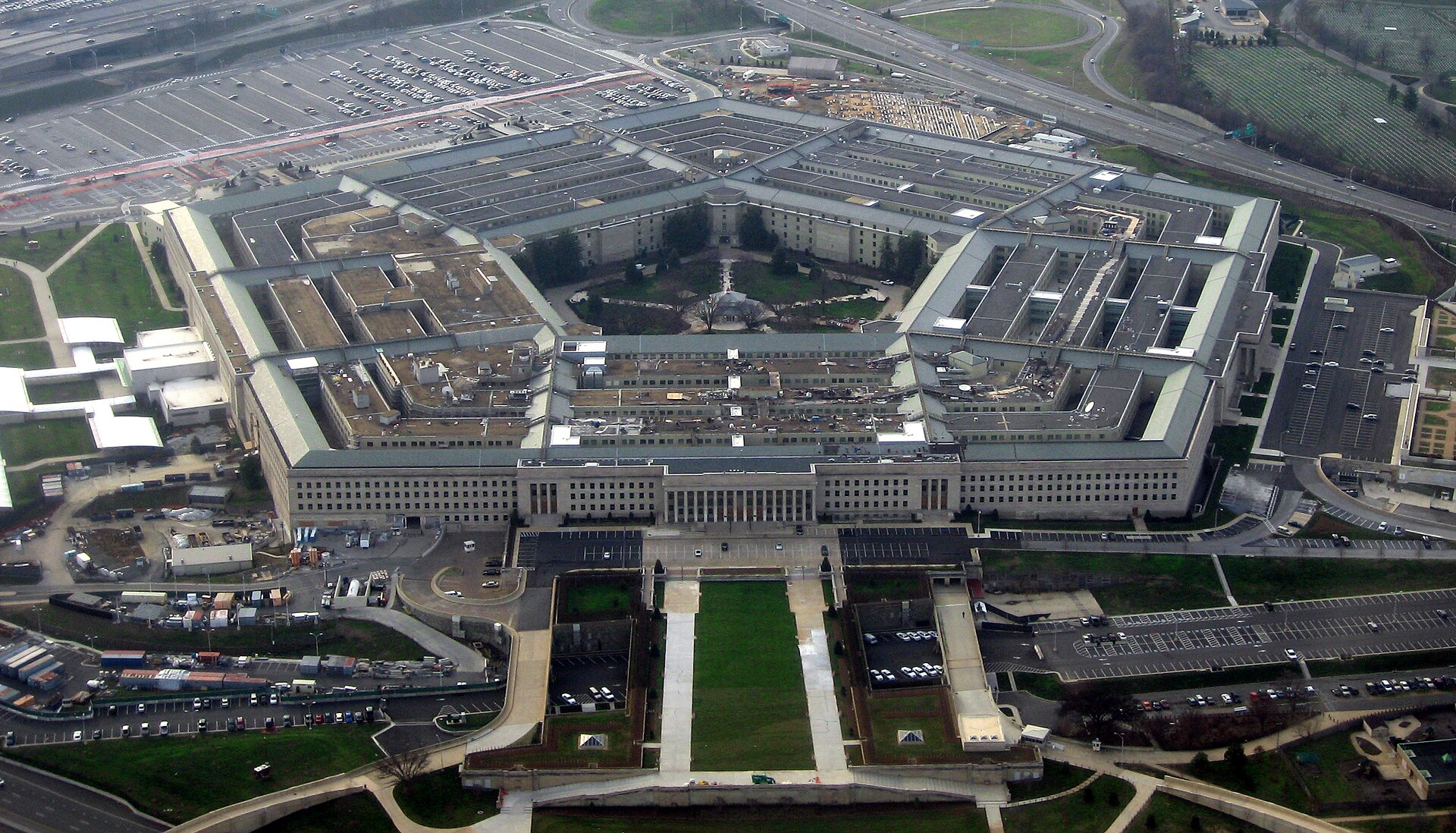
U.S. District Judge F. Dennis Saylor IV ruled that the Homeland Security rule was not in accordance with law and was not reasonably related to the student visa program Congress created.
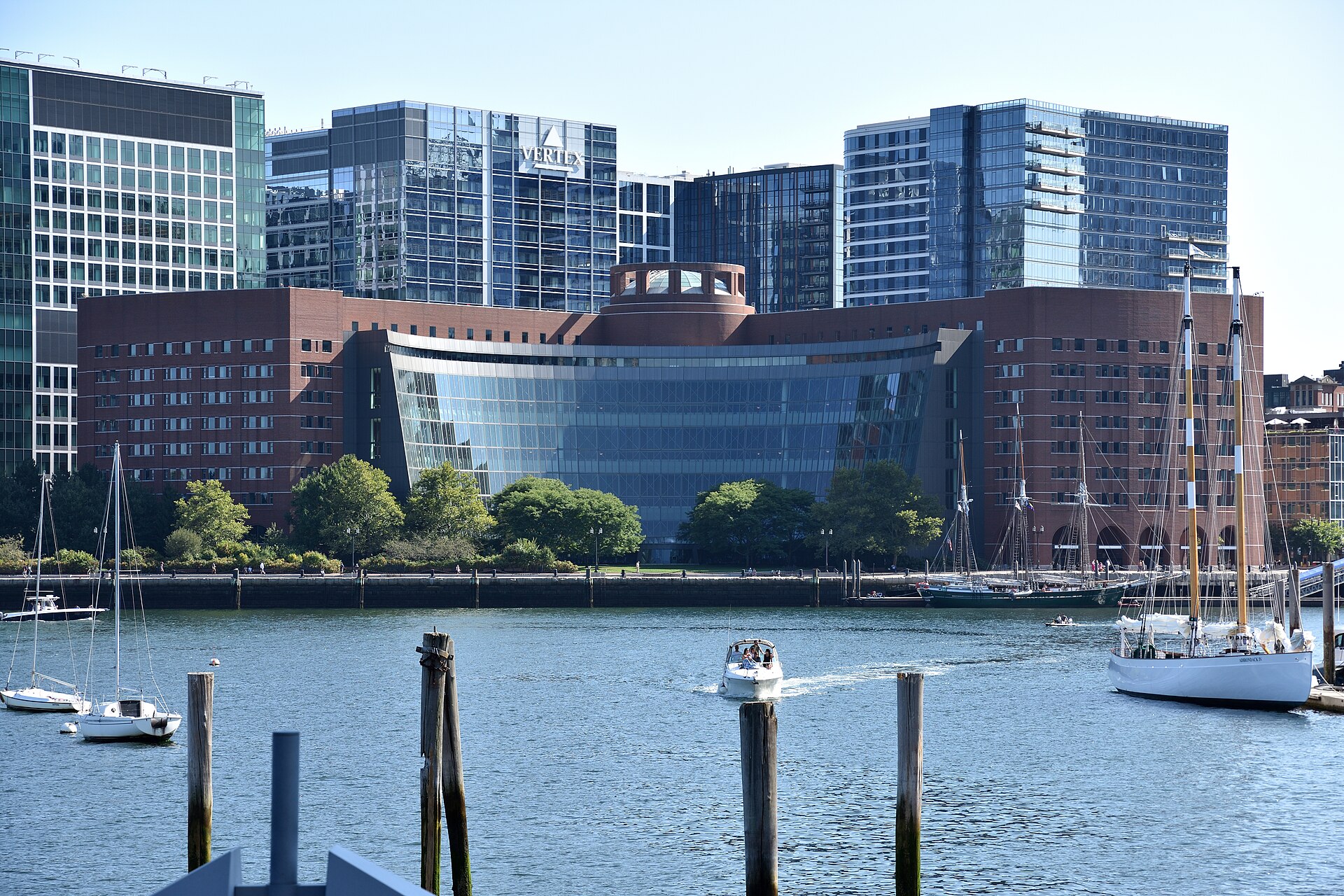
A federal judge in Boston on Monday vacated a Department of Homeland Security rule that would have placed an automatic four-year limit on international student visas. U.S. District Judge F. Dennis Saylor IV, of the District of Massachusetts, wrote that the rule was 'arbitrary, capricious, an abuse of discretion, and otherwise not in accordance with law.'
The rule had been set to take effect on Sept. 15 until Saylor issued an injunction the day before. It would have capped stays for international students and visiting scholars at four years and required them to apply to the federal government for any extension. It also would have limited students' ability to change academic direction or to receive multiple degrees at the same level, restrictions Saylor wrote were not 'reasonably related' to the student visa program.
His memorandum is blunt about the mismatch he saw between the department's stated goal and the tool it chose. 'DHS has not adequately explained how implementing an unreviewable, completely discretionary renewal system — after a foreign student has already been in the country for four years — meaningfully enhances the ability of DHS to root out cases of fraud,' he wrote, 'or how the benefits of such a system outweigh the immense costs of abandoning the existing system.' Later in the opinion he was more direct still: 'Put bluntly, DHS is seeking to prevent or discourage the very activity — providing educational opportunities for foreign students in the United States — that Congress sought to permit and encourage.'
The government had defended the rule as a way to improve oversight of student visas. A coalition of advocacy and labor groups sued in August, arguing that the department had not meaningfully answered concerns that the cap would reduce international enrollment. Of the eight plaintiff groups, The Harvard Crimson reported, four count Harvard or its affiliates among their membership, including the Presidents' Alliance on Higher Education and Immigration, the Association of Independent Colleges and Universities in Massachusetts, NAFSA, and a graduate student union local.
Miriam Feldblum, president of the Presidents' Alliance, called the ruling 'a clear and important victory' for international students, scholars and the universities that host them, and said it prevented 'arbitrary hurdles and unnecessary barriers.' Harvard President Alan M. Garber had called the rule 'odd' in July remarks at the Economic Club of Washington, noting that a typical doctoral program takes longer than four years. The Harvard International Office had told university affiliates the rule would have a 'significant impact.' The Crimson reported that the office had not yet updated that guidance to reflect Monday's decision, and that DHS did not respond to a request for comment.
The decision is a judgment on a regulation, not a grant of any particular student's visa. It vacates the four-year cap and the related limits Saylor found unjustified. The department can appeal. Until an appellate court says otherwise, the duration-of-status system that the rule would have replaced remains the one in force. For universities in Massachusetts and everywhere else that enroll international students, the practical effect is that a rule which would have forced mid-program extension filings, and which would have discouraged ordinary academic changes, is not the law as of Monday.
The case also sits in a larger enrollment picture that the plaintiffs have been pointing to for months. Feldblum said the administration's other policy actions were already visible in declining international enrollment and interest, and that this rule would have made the problem worse. Those are advocacy claims, and they are also consistent with the warning university officials have been giving in public. Saylor's job was not to referee enrollment statistics. It was to decide whether the department had explained itself. He found that it had not.
For students already here, the practical fear had been mid-degree uncertainty: a doctoral candidate in year five, a scholar changing labs, a student adding a second master's, all suddenly dependent on a discretionary renewal. Saylor's opinion treats that uncertainty as a cost the department failed to justify. The ruling does not promise any student a particular outcome at a consulate or a port of entry. It takes a four-year automatic ceiling out of the rulebook.
Whether the government appeals, and how quickly it does, will determine how durable Monday's order is. For now, the District of Massachusetts has vacated the cap, the injunction that preceded the ruling has been overtaken by a judgment on the merits, and the duration-of-status framework remains in place. Universities that spent the summer rewriting guidance can put that guidance back on the shelf, at least until a higher court says otherwise.
Sources
- The Harvard Crimson: Judge Rules Against Department of Homeland Security Four-Year Visa Cap, Nov. 17, 2026 (opens in a new tab)
- Boston Globe: Trump administration visa change overturned by Boston judge, Nov. 16, 2026 (opens in a new tab)
- Memorandum and Order on Cross-Motions for Summary Judgment (Presidents' Alliance PDF) (opens in a new tab)
- NAFSA: Federal Court Rules in Favor of Coalition Challenging Rule Ending Duration of Status (opens in a new tab)