Saudi Arabia Replaced the Commander Overseeing the Fight With Yemen's Houthis After a New Advance Toward Aden.
Gen. Fayyad bin Hamed Al-Ruwaili, the chief of the general staff, takes over the Joint Forces role. Lt. Gen. Fahd bin Hamad Al-Salman becomes a military adviser to the defense minister.
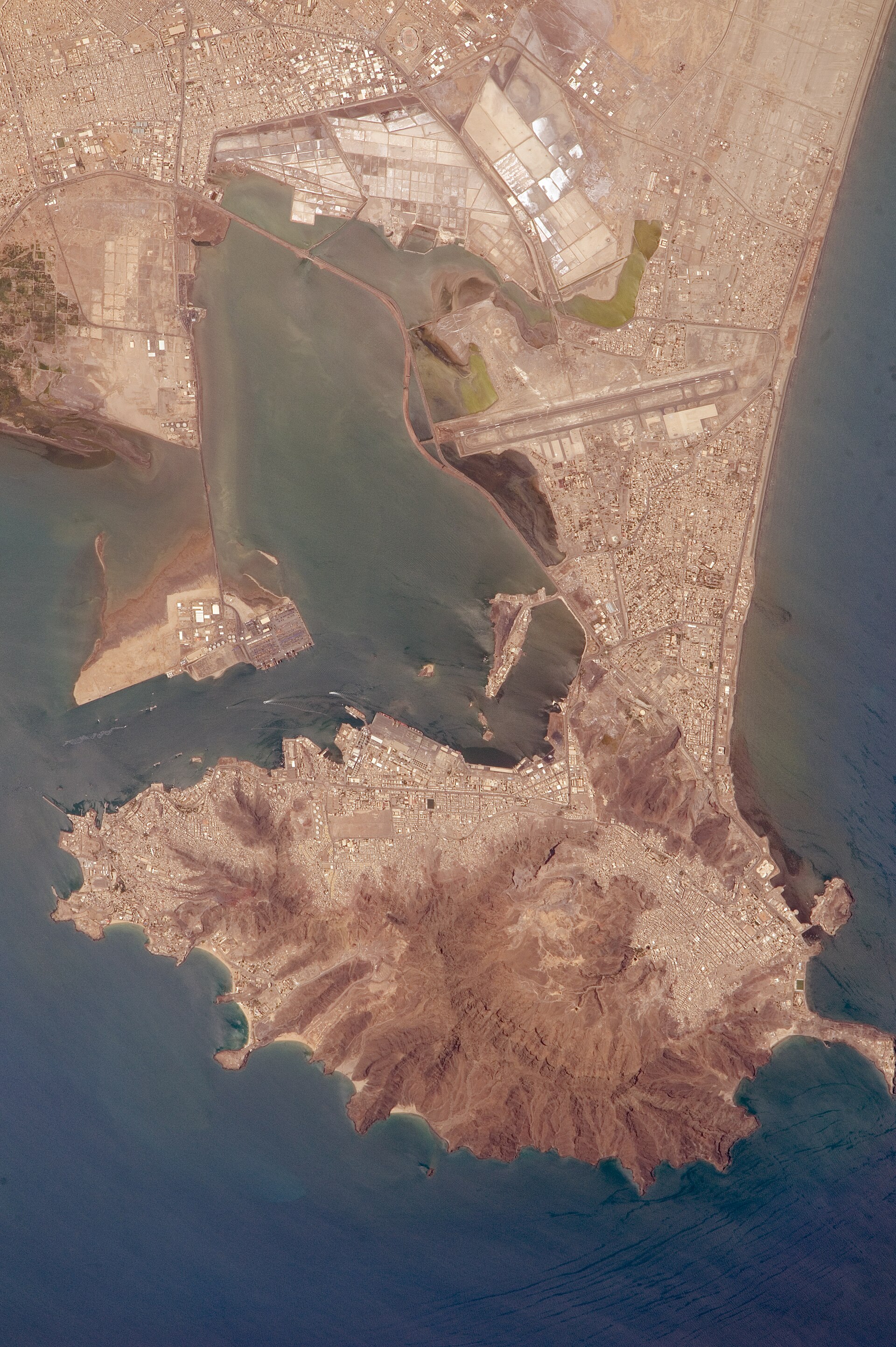
Saudi Arabia has replaced the commander of the Joint Forces that oversee the coalition fight against Yemen's Houthi movement, a change announced as Houthi forces gained ground on the southern coast and Yemeni government units fell back toward Aden. Reuters, The National, Arab News and Al Jazeera all reported the move on Monday.
A royal decree named Gen. Fayyad bin Hamed Al-Ruwaili, already chief of the general staff, as Joint Forces commander. He retains the staff post. The outgoing commander, Lt. Gen. Fahd bin Hamad Al-Salman, was made a military adviser to the defense minister. The sequence is a reshuffle, not a public finding of fault, but it arrived immediately after a battlefield setback, and that is how it is being read in the region.
The military context, as described in those reports, is a Houthi push that has moved closer to Aden and toward the approaches to the Bab el-Mandeb strait, one of the world's major shipping lanes. Yemeni government forces, Reuters reported, withdrew from areas near that strait in order to defend the city. The Guardian, writing on the same day, said Saudi strategy was being challenged by the loss of ground among anti-Houthi forces. Those are battlefield assessments from news organizations, not a Saudi admission of defeat. They are the facts against which a command change is being measured.
The Joint Forces command is the Saudi-led structure that has, for years, coordinated the campaign against the Houthis and the support given to Yemen's internationally recognized government. Replacing the officer who held that job, and giving it to the chief of the general staff, is a way of tightening the chain of command without announcing a new war plan. Whether a new plan follows is the question the decree does not answer.
Al-Ruwaili is not an unknown in this war. As chief of staff he has already been at the center of Saudi military decision-making. Combining that role with the Joint Forces command concentrates authority. It also concentrates blame if the next month on the southern coast goes the way the last one did. Al-Salman's new title, military adviser to the defense minister, is a soft landing, not a public disgrace, and should be described that way.
The stakes are not only Yemeni. Shipping through Bab el-Mandeb, and the security of Aden, have been recurring concerns for navies and insurers since the Red Sea came under regular attack. A Houthi advance that forces government units to choose between a coastal position and the defense of Aden is a reminder that the war on land and the war on shipping are connected, even when they are fought with different weapons.
Saudi Arabia has been trying, at various points, to wind down its direct exposure in Yemen while still preventing a Houthi victory that would sit on its southern border and on a global trade route. A command change after a setback can be a prelude to a harder campaign, a prelude to a negotiation, or only a personnel move. The decree does not say. The geography does: Aden, the strait, and a front that, on Monday's reporting, had moved the wrong way from Riyadh's point of view.
Command changes in a long war are often less a new strategy than a message to allies and to the officers still in the field: the last week was unacceptable, and someone is now accountable at a higher level. Whether Al-Ruwaili is being told to retake ground, to freeze a line, or to prepare a political off-ramp will not be in a royal decree. It will be in the maps of the southern coast over the next month, and in whether Aden remains a government city or becomes the next prize in a war that has already outlasted every plan written for it. Monday's decree changed the commander. It did not, by itself, change the front. The shipping lane at Bab el-Mandeb, and the civilians in Aden, will measure the new command more honestly than any statement from Riyadh. A week from now, the interesting fact will not be the title on a royal decree. It will be whether the line on the southern coast has moved again.
Whether the coalition's Yemeni partners interpret the new command as a promise of more support, or as a warning, will show up first in their willingness to hold the line around Aden.
Sources
- Reuters: After Yemen setback, Saudi Arabia replaces military commander, Nov. 16, 2026 (opens in a new tab)
- The National: Saudi Arabia replaces Joint Forces commander overseeing fight with Houthis (opens in a new tab)
- Arab News: Saudi royal decree names chief of staff Fayyad Al-Ruwaili as Joint Forces commander (opens in a new tab)
- Al Jazeera: Saudi Arabia dismisses commander of coalition forces fighting Houthis (opens in a new tab)
- The Guardian: Saudi Arabia strategy challenged by anti-Houthi forces in Yemen, Nov. 16, 2026 (opens in a new tab)