The Red Sox Spent $58 Million on Jake Bauers. Craig Breslow Says He Called First. Now Comes the Hard Part.
Introduced at Fenway Park on Tuesday, the NLCS MVP from the champion Brewers is penciled in as the primary designated hitter, with time at first base and the corners.
Craig Breslow wants you to know he wasn't late to this one. When free agency opened, five days after the Milwaukee Brewers won the World Series, the Red Sox president of baseball operations dialed Jake Bauers before anybody else.
"I told Jake he was the first call when free agency opened. He was the only player who we had Zoomed with because we felt like the fit was so strong," Breslow said Tuesday at Fenway Park, where Bauers was introduced days after agreeing to a four-year, $58 million contract, according to MLB.com.
Breslow said the Red Sox front office had been eyeing Bauers since midseason. "If you polled the office, it might have been June, July," he said. "And with each home run and getting on base and as Milwaukee is going further, we're realizing, 'Uh-oh, hopefully this doesn't get out of reach.'" Bauers won MVP of the National League Championship Series, which did not help Boston's bargaining position.
The numbers that got him paid: a career-best season at age 30 for a player who had bounced around the league as a journeyman, capped by a starring role on a championship team. Bauers credits a change in thinking more than any swing tweak. "I think the biggest thing for me was really changing my mentality and the way I looked at not only my approach in the box but just the game in general," he said. "I really bought into a team mentality."
So where does he play? Barring injuries, MLB.com says, Bauers is the primary DH, with time at first base to get Willson Contreras off his feet and the occasional start in left or right field. The bat is why he's here.
Breslow sold that bat hard. "He's a middle-of-the-order bat, someone who is going to show great plate discipline, is going to get on base and going to walk, has enough power to hit the ball out of any park," he said. "But he is particularly a great fit here for Fenway, just given his ability to hit the ball in the air to left field. And so we expect a huge season and a lot of doubles incoming."
The pitch worked on Bauers, too. "It was humbling to be honest with you," he said of the Zoom presentation. "Craig and Trace and the staff put together a great presentation for us, painting the picture of the organization, of the city, and it's something that stuck with me and my wife throughout the rest of the process. It shot Boston up to the top of the list."
Now for the part where I'm a little less excited than the press conference. The Red Sox have been bounced by the Yankees in the Wild Card round in each of the last two seasons, per MLB.com. A lefty DH with a great October is a nice addition. It is not, on its own, the thing that changes October in the Bronx.
The worry with any breakout at 30 is simple: was it real? Breslow obviously thinks so, and he said the adjustments he saw convinced him 2026 wasn't an outlier. Maybe. But $58 million over four years is a bet on the new Bauers sticking, and four years is a long time to be wrong.
The best-case version is easy to see: a patient hitter who works counts in front of or behind the big bats, peppers the Wall with doubles, and gives Boston the professional at-bats it lacked in two straight playoff exits. The worst case is a good-not-great DH with a contract that limits what else the team can add.
That's the real question for the winter. If Bauers is the first move, fine. If he's the big move, Red Sox fans will be watching the Yankees in October again.
I'll give Breslow credit for one thing: he moved early. Too many Boston winters have started with the front office waiting out the market and ending up with whatever was left. Signing a hitter you like before Thanksgiving at least signals a plan. Whether it's the right plan depends on what comes next, and Red Sox fans have earned the right to be skeptical until they see it.
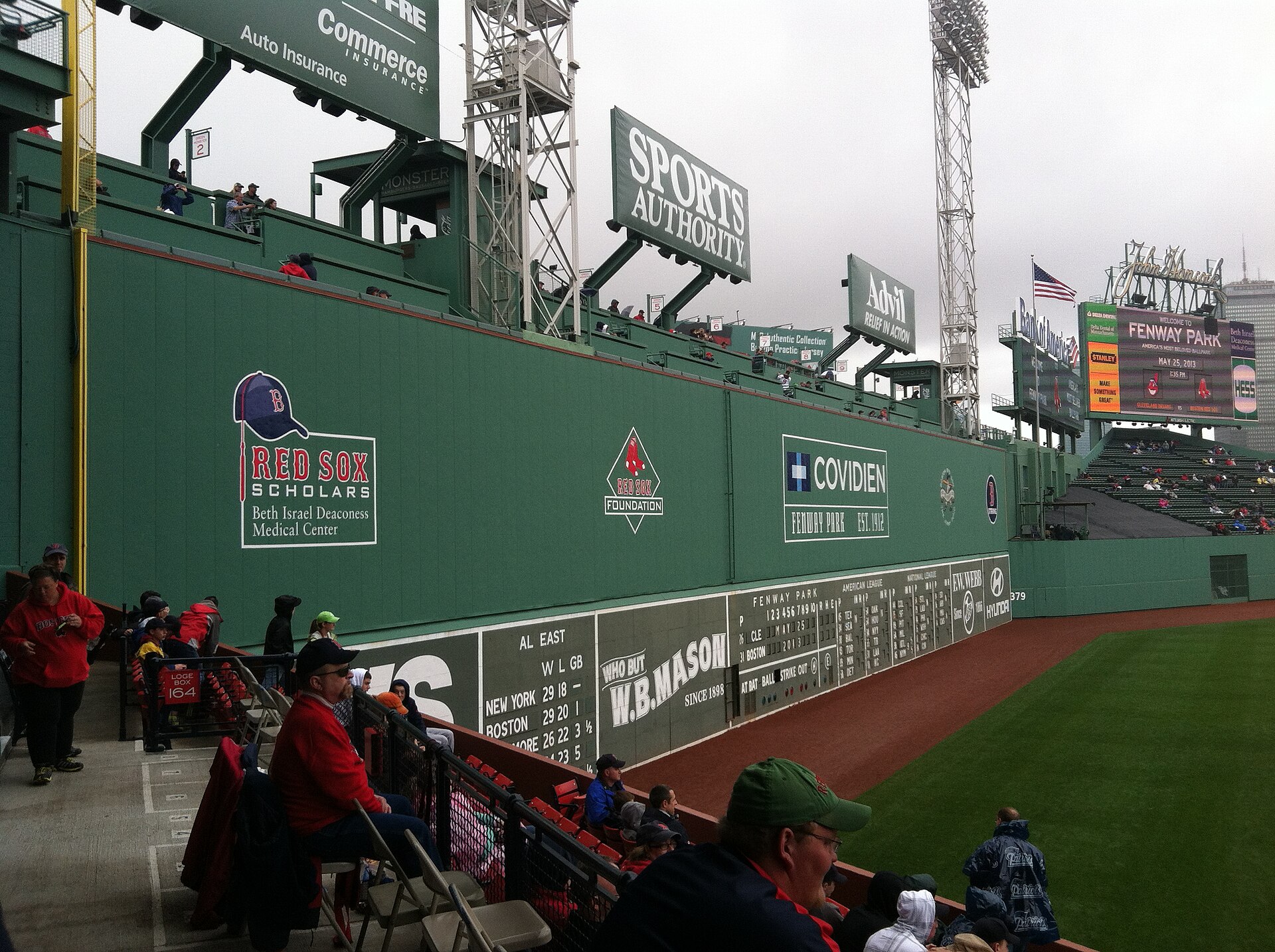
The fit at Fenway is worth watching, too. A left-handed hitter with a sharper approach can turn the Wall and the short right-field corner into friends, and the park has made plenty of mid-career hitters look better than they were elsewhere. That cuts both ways. The numbers might pop at home and sag on the road, and a four-year deal should be judged on all 162.
What we still don't know: whether Breslow has another significant addition coming, how the lineup lines up around Bauers, and how much first base he actually plays.