Question 7 Would Let Starter Homes Go on 5,000-Square-Foot Lots. Here Is Who Would Feel It, and How Soon
The citizen petition overrides local minimum lot sizes only where public water and sewer exist. A Tufts model estimates 3,500 to 12,000 net new homes in a decade; cities and towns warn about infrastructure and luxury builds.
Massachusetts voters will decide Tuesday whether to override local zoning and allow single-family homes on lots as small as 5,000 square feet. The measure, Question 7 on the statewide ballot, is one of nine questions voters face on Nov. 3.
The text is narrow in what it changes. According to Cambridge Day's review of the measure, it would amend state zoning law to allow a single-family home on a lot of at least 5,000 square feet with at least 50 feet of street frontage, but only in municipalities served by public sewer and water. Cities and towns would keep control over other zoning rules, including setbacks from other structures, the bulk and height of buildings and limits on short-term rentals. The state Executive Office of Housing and Livable Communities would help communities with guidance if it passes.
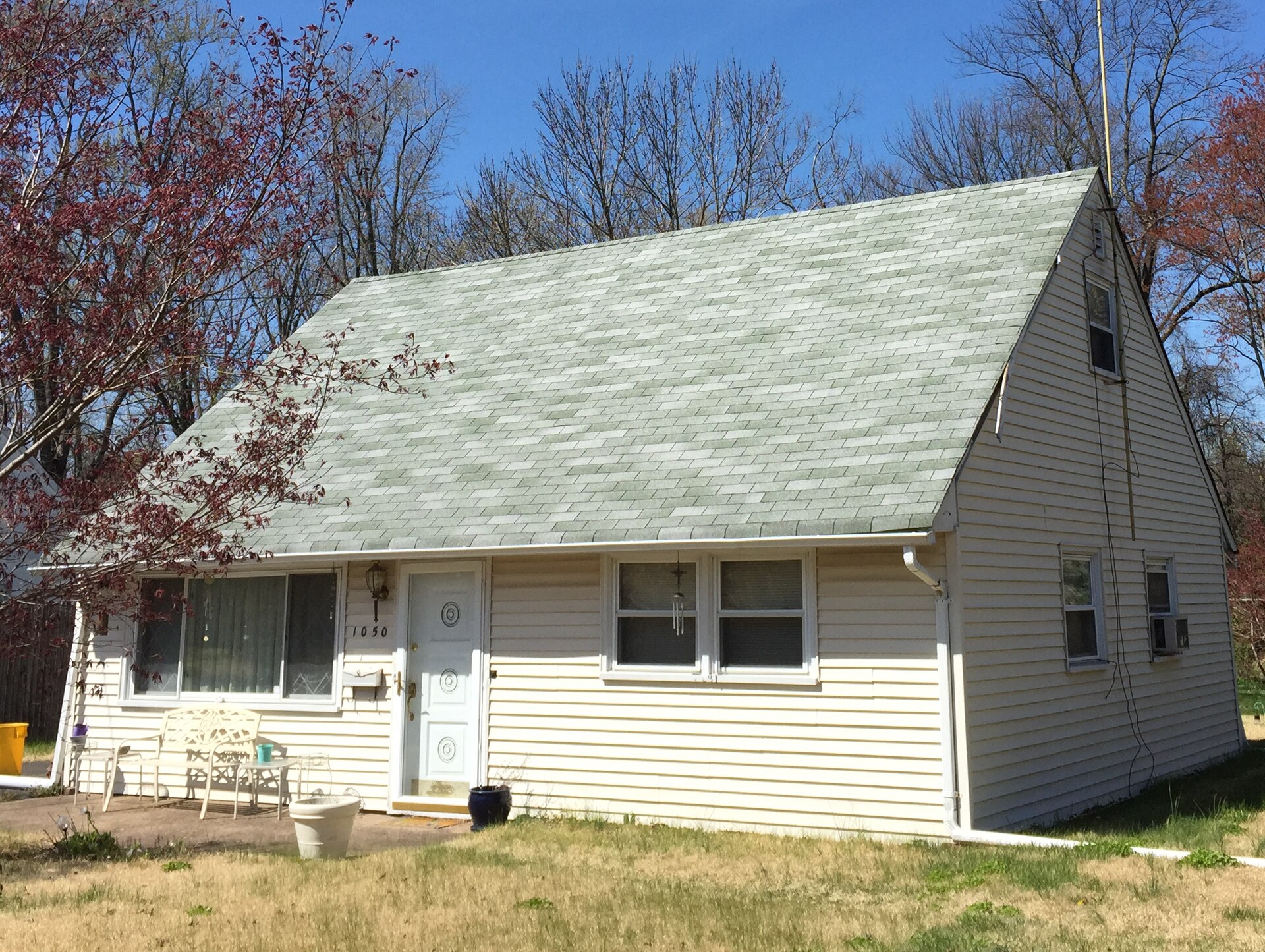
Many suburbs now require far larger lots. In Brookline, minimum lot sizes in some districts range from 10,000 to 40,000 square feet, according to Brookline for Everyone board member Katha Seidman. In Sandwich, on Cape Cod, some districts require up to 60,000 square feet. A smaller legal minimum lowers the land cost of each house, which supporters say is the main barrier to building modest homes.
Andrew Mikula, who chairs the Legalize Starter Homes ballot committee and proposed the question by citizen petition, said the measure would help "downsizing seniors, young families, and first-time buyers." He said it "cannot be optional whether we're allowing starter homes to be built in our communities in 2026." The campaign collected more than 100,000 signatures starting in September 2025 and is endorsed by Gov. Maura Healey.
The money on the question is mostly on the yes side. Cambridge Day reported more than $1.4 million in campaign funding, with the Massachusetts Association of Realtors and its political action committee contributing $500,000 combined. Theresa Hatton, the association's chief executive, said it supported the question in the interest of clients and homeownership, "not [because] our members' business per se."
Opponents' main argument is local control. Adam Chapdelaine, executive director of the Massachusetts Municipal Association, said the measure does not ensure developers will build starter homes rather than luxury units and could strain sewer and water systems. "An outcome could be further gentrified neighborhoods, further creation of more luxury units, without doing anything to actually address accessible and affordable housing," he said. Former Brookline Select Board member John VanScoyoc said it "could just as easily be termed as a rich get richer ballot question," if wealthy owners subdivide large lots for expensive houses.
The question's reach depends on infrastructure. Sandwich has no municipal sewer system, so the measure would not immediately apply there. But the town is planning a $200 million sewer expansion and would likely feel the effect over the next decade, Town Manager George "Bud" Dunham said. "The state lately has been trying to do a one-size-fits-all approach on certain issues," he said. Leanne Drake, the town's community development director, cited road speeds, drainage, runoff and school capacity as concerns. Sandwich's boards have not taken a position.
The projected effect is modest. Modeling by Tufts University's Center for State Policy Analysis estimated the question would generate 3,500 to 12,000 net new homes over the first decade. The state's housing needs assessment says Massachusetts needs more than 220,000 homes of all types by 2035. Boston University political scientist Maxwell Palmer said residents would see "very slow and very little" change, mostly through redevelopment rather than rapid transformation of neighborhoods.
Supporters frame the stakes around young adults. Zain Ahmed, 23, of the Youth Affordable Housing Coalition, said friends are leaving the state. "If I'm a young professional who just graduated from Boston University and the rent is $3,000, is it really worth living here?" he said.
Not yet known: how many lots in sewered communities would actually qualify, and how many owners would choose to subdivide. The official text and arguments for and against appear in the Secretary of the Commonwealth's Information for Voters guide.