What Streaming Services Want to Pay Songwriters From 2028 to 2032, and Why Bundles Are the Whole Fight
Spotify, Apple, Google and Pandora want today's 15.35% headline rate frozen for five more years. Amazon wants it cut to 13.4%. Publishers want 20%. Amended filings are due Dec. 21.
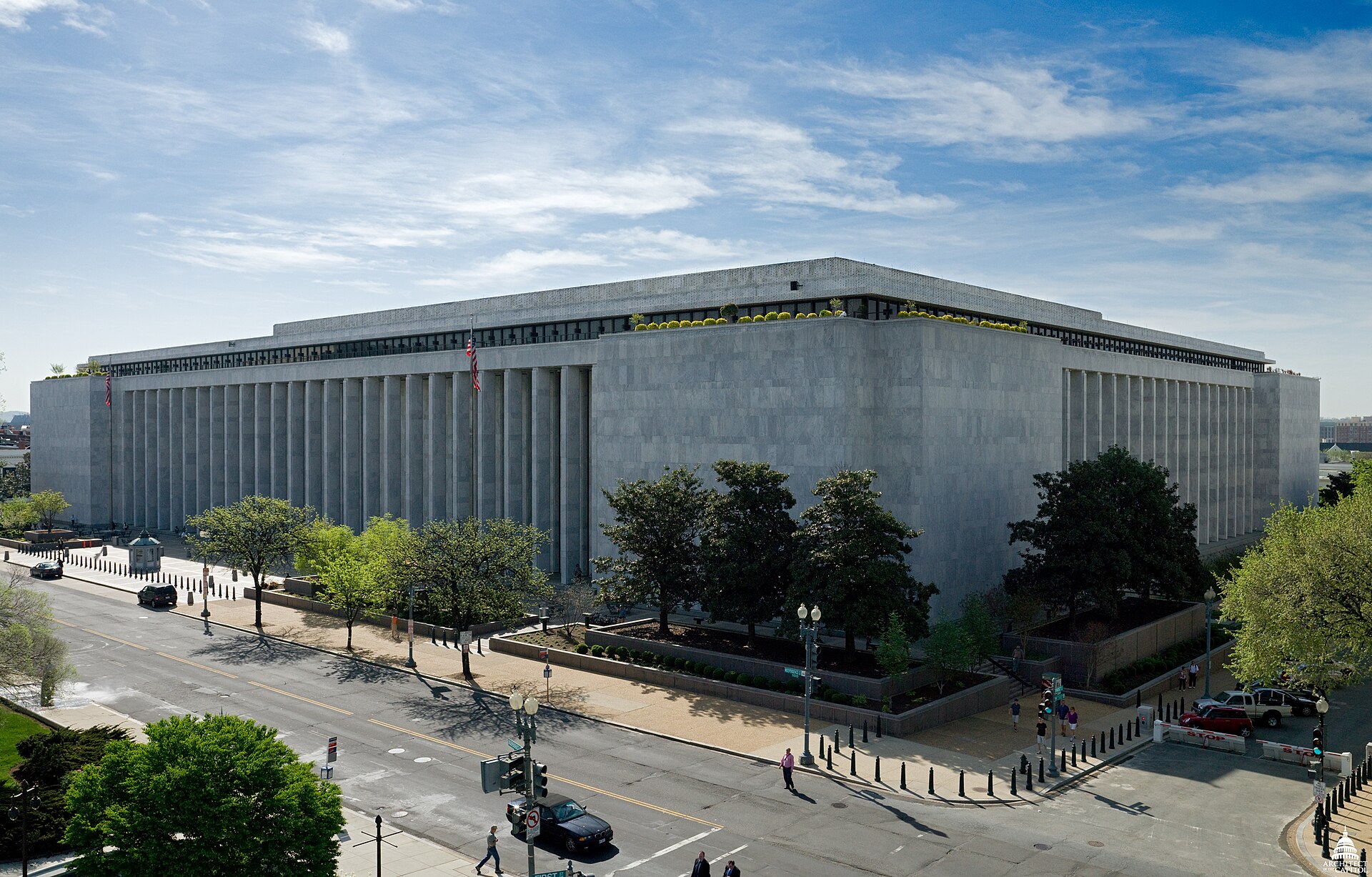
Every five years, a panel of three federal judges decides what streaming services have to pay songwriters and publishers for the mechanical rights in the songs you stream. That proceeding, called Phonorecords V, is in discovery now, and the next deadline is Dec. 21. Here is where it stands, based on the public filings as summarized by Music Business Worldwide.
The current deal. Under the Phonorecords IV settlement, which the Copyright Royalty Board accepted in December 2022, the headline rate is 15.3% of service revenue this year and rises to 15.35% in 2027. That figure is "all-in," covering mechanical and performance royalties together. For standard paid subscriptions, services pay the higher of that rate or the lower of 26.2% of what they pay record labels, called Total Content Costs, or $1.10 per subscriber, MBW reported.
What the services want. Spotify, Apple, Google and Pandora all asked the board to keep the 2027 rates, including the 15.35% headline rate, for 2028 through 2032. "The best evidence of what willing buyers and willing sellers would agree to is what they actually did agree to, just four years ago," Spotify said in its filing. Amazon was the outlier: it wants the headline rate cut to 13.4%, the label-cost prong cut from 26.2% to 22.8%, and the per-subscriber figure cut from $1.10 to 96 cents. "Amazon should not have to pay royalties on revenue that it never receives," its filing said.
Google, which owns YouTube, wants an "allocation" rule so it pays only on the share of plays the license actually covers. It says most YouTube content falls outside the license, with only "Static-Image Art Tracks," commercial recordings over a still image, qualifying, MBW reported.
Pandora, owned by SiriusXM, said nothing has changed at its on-demand services that "would warrant an increase in rates," and that the current rates "were higher than Pandora had initially proposed and would have preferred to pay," according to testimony from SiriusXM's Craig McFadden cited by MBW. Apple's economist argued a percentage-of-revenue royalty "already rises automatically when inflation contributes to higher subscription prices."
What the publishers want. The National Music Publishers' Association and the Nashville Songwriters Association International want services to pay the greatest of 20% of revenue, 40% of label costs, $2.40 per subscriber a month or $0.004 per play. NMPA chief David Israelite said songwriters "should have a minimum of at least 40% of what record labels and artists get paid." Sony Music Publishing's Greg Prata argued the current 60-cent minimum lets services pay about 40% less than the percentage rate would produce. "A supposed backstop that permits a roughly 40% reduction... is no backstop," he said.
The bundle war. The fight underneath all of it is bundling. In March 2024, Spotify reclassified its U.S. Premium tiers as bundles that include audiobook listening, which lowered the mechanical royalties it pays; Amazon followed with a similar bundle in November 2024. The Mechanical Licensing Collective sued Spotify, and the case is still going. Spotify's own filing says that if the MLC were entirely successful, its liability from March 2024 to June 2026 would be about 473 million euros, plus potential penalties and interest, partially offset by direct deals with publishers, MBW reported. Publishers want bundles priced at real standalone prices; Apple says the bundle discount was "absolutely essential" to the 2022 deal.
The money. U.S. music publishing revenues reached $7.3 billion in 2025, up from $5.6 billion in 2022, according to NMPA figures cited by the streaming trade group DIMA.
The schedule. Under the board's revised schedule, amended written statements are due by Dec. 21, responses by Feb. 1, 2027, and a settlement window runs Jan. 25 to Feb. 15, 2027. Without a settlement, the hearing runs March 22 to April 15, 2027, with an initial decision due by Dec. 17, 2027, MBW reported.
Dez's take. My opinion: songwriters, including the writers and producers behind the rap and R&B records that dominate streaming, have the most at stake and the least leverage here. Four of five services want to freeze rates for five more years while subscription prices have kept climbing. Amazon wants to cut them. The publishers' 20% ask is an opening bid. The bundle math is where the real money moves, and it's where I'd watch for a deal before the March hearing.
What we still don't know: whether the parties settle in the January-February window; how the MLC's Spotify case ends; and whether the board accepts Google's argument that most of YouTube falls outside the license.