Phil Eng Skipped a Subpoenaed Blue Hill Avenue Hearing. Culpepper Wants Court Next.
The MBTA general manager cited a family vacation. The councilor who wrote the subpoena says a Nov. 18 vote could send the fight to court.
BOSTON — MBTA General Manager Phil Eng did not appear Friday at a Boston City Council hearing where he had been subpoenaed to testify about the Blue Hill Avenue redesign, and the councilor who wrote the subpoena says the next step may be a courtroom.
The transit agency told the council in advance that Eng would miss the session because of a previously planned vacation with his family, Communications Manager Maya Bingaman said in a statement to Boston.com. Councilor Miniard Culpepper, who filed the subpoena order on Oct. 21, said he learned of the absence in a Thursday call from the MBTA.
"It would have been nice had they told us earlier," Culpepper told Boston.com in an interview published Sunday. "If he had a vacation planned, I hope he has a good time. I hope he gets a rest. But when he comes back, we want him to come before the council to answer our questions."
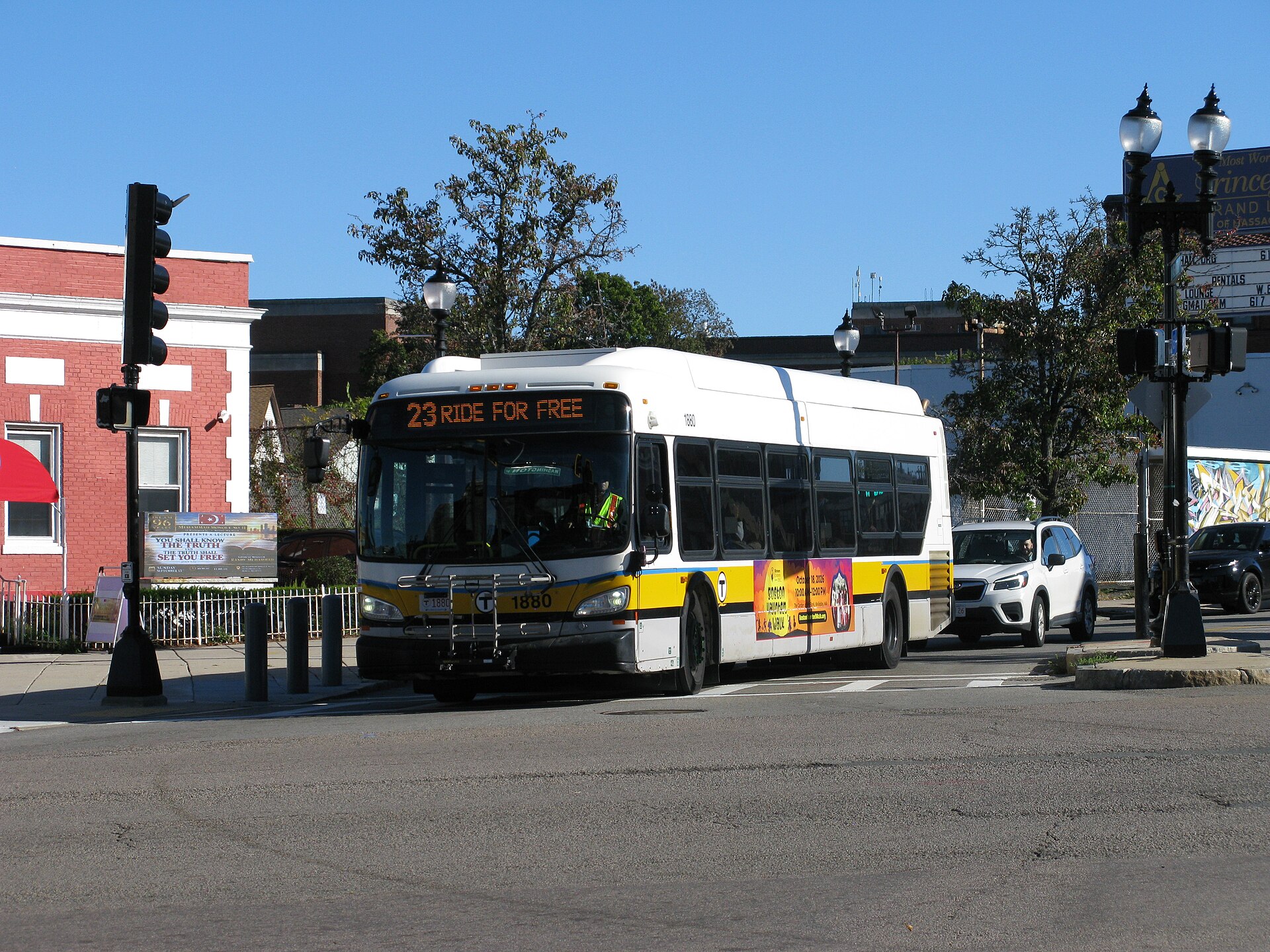
The council approved the subpoena after Eng — who is also the state's interim secretary of transportation — missed an Oct. 14 hearing on the same project. The $163 million plan would add a center-running bus lane along a roughly three-mile stretch of Blue Hill Avenue in Mattapan and Dorchester.
Opponents, including some residents and city councilors, say the redesign would worsen traffic and cut parking that local businesses rely on. In June, Culpepper and Councilor Brian Worrell floated an alternative: extending the Orange Line instead of rebuilding the avenue around buses.
Culpepper said Friday's hearing was meant to put Eng under oath on the feasibility of an Orange Line extension, crash rates on Blue Hill Avenue, and concerns about the center-running lane. He called the project's impact on Black and brown neighborhoods a "serious civil rights issue," noting that the corridor runs through some of Boston's largest Black communities.
Bingaman said the MBTA has told the council it is willing to join more community meetings and meet councilors directly. Culpepper said he wants those exchanges in public, under oath, so the record is "accurate and honest." He and Worrell already met Eng privately in June about the Orange Line idea.
Culpepper now says he intends to ask a court to enforce the subpoena. That path first needs a council vote, which he said is expected Nov. 18. "We don't want to go to court. That's the last thing we want to do," he said. "But if we don't have a choice, what other options do we have?"
The Civil Rights, Racial Equity, and Immigrant Advancement committee had also listed Blue Hill Avenue and rapid-transit questions for Nov. 6; Eng was already marked as not attending that session in city notices tracked by Boston Politics.
What is settled in the public record: Eng missed the subpoenaed Friday hearing; the agency cited a family vacation; Culpepper is preparing a Nov. 18 enforcement vote; the project's price tag and corridor are as stated by city and MBTA materials reported in the linked coverage.
What is not settled: whether the full council authorizes court action on Nov. 18; whether Eng appears before then; and whether the Blue Hill Avenue bus redesign or any Orange Line alternative advances on the state's schedule.
Public records and contemporaneous reporting remain the basis for every figure and quotation in this account; where officials have not yet released a name, motive, vote tally or investigative finding, that gap is stated plainly.
Boston Uncut will update the story when primary agencies publish additional statements, dockets, agendas or certified results that change the factual picture.
Readers can follow the linked sources for underlying documents and full quotations. Allegations in complaints, campaign statements or activist materials are labeled as such and are not presented as findings.
Background and historical comparisons appear only when they illuminate the present dispute; they are not evidence about unresolved facts in the current case.
Where multiple outlets reported the same event, this account prefers figures and quotations that appear in more than one independent source, and notes remaining disagreements.
Official agendas, court dockets, agency releases and on-the-record interviews are treated as primary; secondary summaries are used to locate those records and are checked against them when available.
Public records and contemporaneous reporting remain the basis for every figure and quotation in this account; where officials have not yet released a name, motive, vote tally or investigative finding, that gap is stated plainly.
Boston Uncut will update the story when primary agencies publish additional statements, dockets, agendas or certified results that change the factual picture.
Readers can follow the linked sources for underlying documents and full quotations. Allegations in complaints, campaign statements or activist materials are labeled as such and are not presented as findings.