Prices Rose 0.4% in October, Hotter Than Expected. The Government Could Not Publish an Annual Inflation Rate Because of Last Year's Shutdown
Shelter drove more than 30% of the increase; beef rose 0.9% and electricity 0.9%. Fed officials signaled support for further rate increases at the Dec. 8-9 meeting.
WASHINGTON — Consumer prices rose 0.4% in October on a seasonally adjusted basis after rising 0.6% in September, the Bureau of Labor Statistics reported Tuesday, Nov. 10. The index excluding food and energy, known as core inflation, rose 0.3% for the third month in a row. Economists surveyed by Dow Jones had expected 0.3% and 0.2%, respectively, CNBC reported.
No annual figure. The bureau did not publish a 12-month inflation rate for most series. "BLS did not collect survey data for October 2025 because of a lapse in appropriations," the release says, so it could not publish October 2025 indexes or 12-month changes for indexes where that data is missing. Some items where data was available carried annual figures; the gasoline index, for example, was up 37.4% over 12 months on an unadjusted basis, and used cars and trucks were down 3.3%.
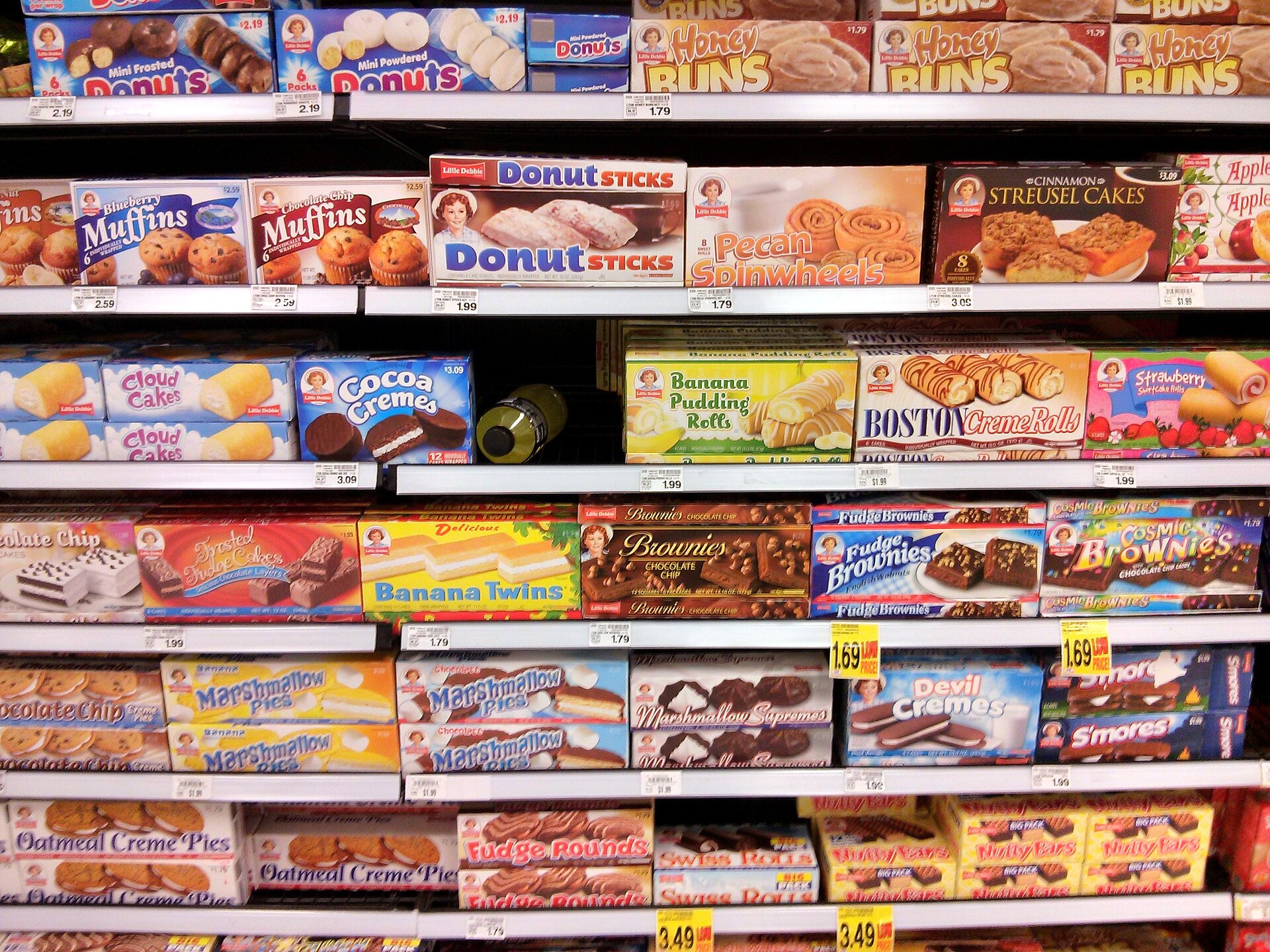
What rose. Shelter rose 0.3% and accounted for more than 30% of the monthly increase in the overall index, the bureau said. Owners' equivalent rent rose 0.3% and rent 0.2%. Food rose 0.5%, with food at home up 0.4% and food away from home up 0.5%. Within groceries, snacks rose 1.0%, beef 0.9%, and fruits and vegetables and dairy each 0.6%. Energy rose 0.7% after a 5.2% jump in September; seasonally adjusted gasoline rose 1.0%, although before seasonal adjustment gasoline prices fell 0.7%. Electricity rose 0.9%, while natural gas fell 0.8%.
Elsewhere, recreation rose 0.8%, motor vehicle insurance 0.7%, hospital services 0.8%, physicians' services 0.4% and prescription drugs 0.3%. Transportation services rose 0.8%. Used cars and trucks fell 1.2% and communication fell 0.1%, according to the release.
The Fed. Speaking in London before the release, Fed Governor Christopher Waller said a hot report could push him toward a half-point increase in December and that such a move should be on the table if core inflation was "around 0.3," CNBC reported. After the release, traders fully priced in a quarter-point increase at the Fed's Dec. 8-9 meeting and put the odds of a half-point move at 13.6%, according to CME Group's FedWatch tool as cited by CNBC. Dallas Fed President Lorie Logan said she sees a need for two more quarter-point increases, and Philadelphia Fed President Anna Paulson said "further gradual tightening seems appropriate." At its October meeting, the Fed voted 10-2 to hold its benchmark rate at 3.75% to 4%.
Paulson listed tariffs, energy prices and the artificial-intelligence buildout as the main factors keeping inflation elevated, while pointing to research suggesting tariff effects were beginning to fade. Fed officials have expressed concern that effects of the Iran war and tariffs are becoming embedded in the economy, CNBC reported.
Market reaction. Stocks fell and Treasury yields rose after the report. "This was the report the market could least afford to see," said Karen Manna of Federated Hermes. A net 37% of small businesses in the National Federation of Independent Business's October survey said they plan to raise prices in the next three months, the highest since July 2022.
What the numbers do and do not show. The 0.4% figure is a one-month, seasonally adjusted change in the Consumer Price Index for All Urban Consumers. It is not an annual rate. The bureau said the November report is scheduled for Dec. 10 at 8:30 a.m. Eastern, after the Fed's December decision.