Nvidia Posts $115.8 Billion Quarter Hours After Its Board Says Jensen Huang Won't Return
Interim CEO Colette Kress told analysts it was "business as usual" and said Nvidia has stopped shipping Hopper chips to China. The board is searching for a permanent chief executive.
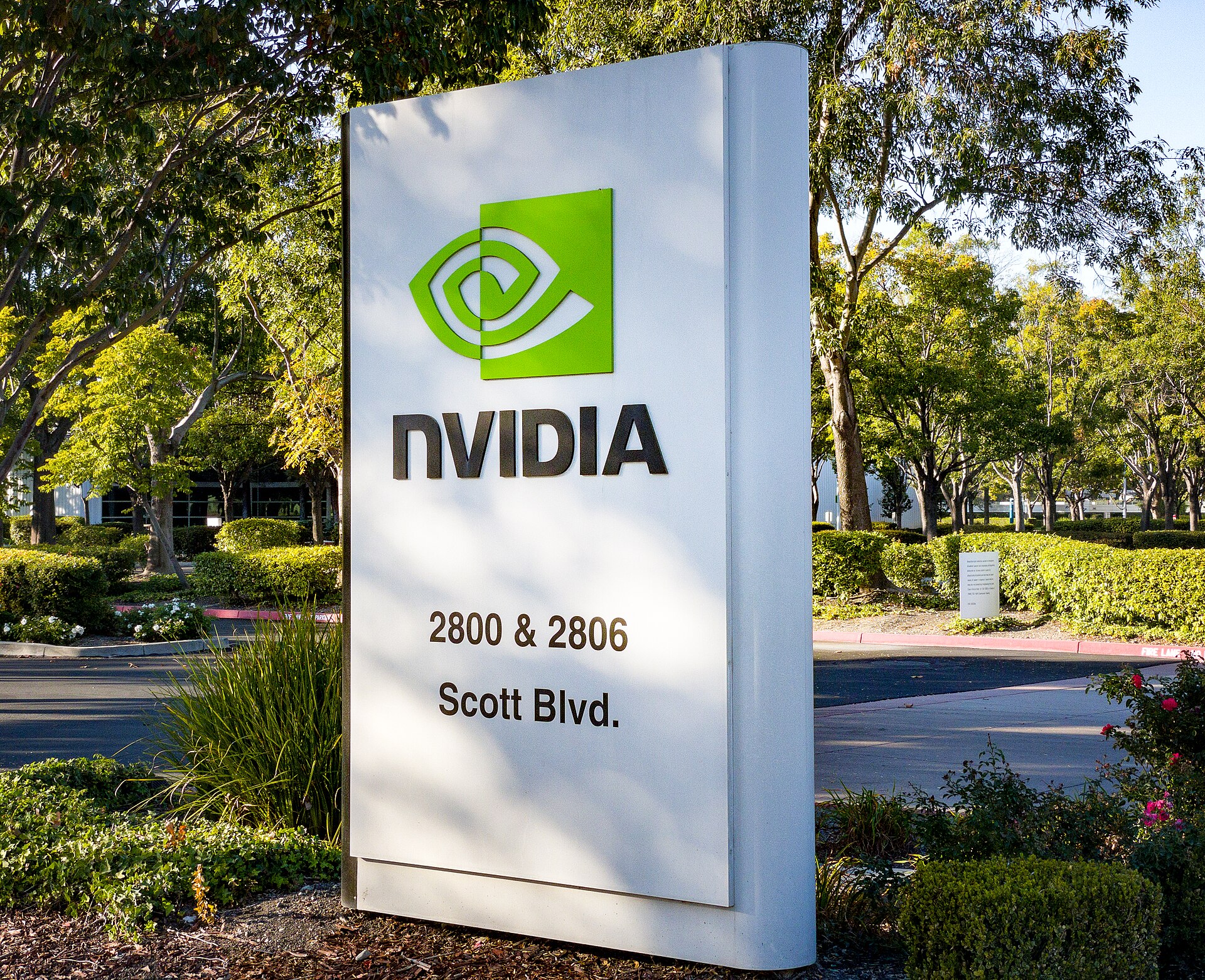
Nvidia reported $115.8 billion in sales for the three months ended Oct. 25 on Tuesday, its first results since co-founder Jensen Huang left the chief executive job last week, and its board said it does not plan to bring him back.
"The board does not intend to reinstate him," Nvidia chair Harvey Jones said, according to the BBC. Earlier Tuesday, Huang had said he would be "honoured" to return and lead the company. Huang resigned following allegations of extramarital affairs, including one reported to involve a person suspected of spying for China; the allegations are the subject of an investigation, and Huang has not been charged with any wrongdoing.
The quarterly numbers, which cover the period just before the allegations surfaced, were large by any measure. Profit doubled from a year earlier to $65 billion, and sales from data centers, the core of Nvidia's AI business, doubled to $107 billion. The company forecast revenue growth of another 13 percent in the next quarter. Shares rose 4.8 percent in after-hours trading.
Analysts had not been sure the company would offer guidance at all, given the leadership turmoil. Daniela Hathorn, a senior analyst at Capital.com, told the BBC the results "offer a strong answer to concerns that demand for AI infrastructure is cooling." She added, "The harder question is whether Nvidia can preserve the strategic advantage Huang helped build."
Interim Chief Executive Colette Kress, the company's longtime finance chief, told analysts, "It is business as usual. Our partners, our suppliers, all of them are 100% behind us." She closed the call by saying, "Our momentum is real. Our demand is accelerating. Our supply is growing. Our customers and our partners are with us, and employees are committed. We've got this."
Kress also said Nvidia is no longer shipping Hopper data center chips to China. The Hopper technology is used in Nvidia's H200 processors, which the company had won approval to sell in China after repeated lobbying by Huang in Washington. The chips had previously been restricted over concerns they would give China's industries and military an advantage.
Jones said the company would not answer questions about Huang or its investigation into his conduct. He said Nvidia is working with an executive search firm and considering internal and external candidates. "With the advanced technology and the national security dynamics in the marketplace, our new chief executive will have to navigate those waters carefully," he said. "The search will be thorough and we want to do it as quickly as possible, but we won't do it before we find the exact right person."
Some investors want Huang back. Michael Monaghan of the investment firm Founder ETFs told the BBC he is waiting for the results of a thorough investigation rather than relying on "salacious allegations" in the media. Nvidia's earnings are "from the machine that Jensen built," he said, and companies tend to lose "its shine and vision" after an iconic founder leaves.
Nvidia's results were watched well beyond the company. Hours before the report, European stock markets had their worst day in eight months, Reuters reported, with the pan-European STOXX 600 down 1.75 percent and the region's technology shares down 3.9 percent as investors cut risk ahead of the numbers. Dutch chip-equipment maker ASML fell 5.3 percent. Reuters reported that Nvidia's own stock had fallen sharply since Huang's sudden departure, and described Anthropic's market debut later this week as a second test of investor appetite for AI-related investments. Hathorn said Huang's exit "is unlikely to change orders already committed, but could matter more when Nvidia makes its next round of decisions on products, partnerships and investment."
The board's decision closes off, for now, the possibility of a quick return by the executive who led Nvidia since its founding in 1993. It also leaves the company without a permanent leader as it navigates export restrictions, competition from customers designing their own chips and scrutiny of its business in China.
Unanswered: what the board's investigation will conclude, how long the search for a permanent chief will take, whether Huang will keep a role at the company, and how the halt in Hopper shipments to China will affect future revenue.