Norway Freezes New Grid Reservations for Data Centers After Requests Topped Its Entire Peak Demand
Statnett's pause runs until no later than Aug. 1, 2027, while the government designs a licensing regime. Requests in the queue add up to more than Norway's entire peak demand.
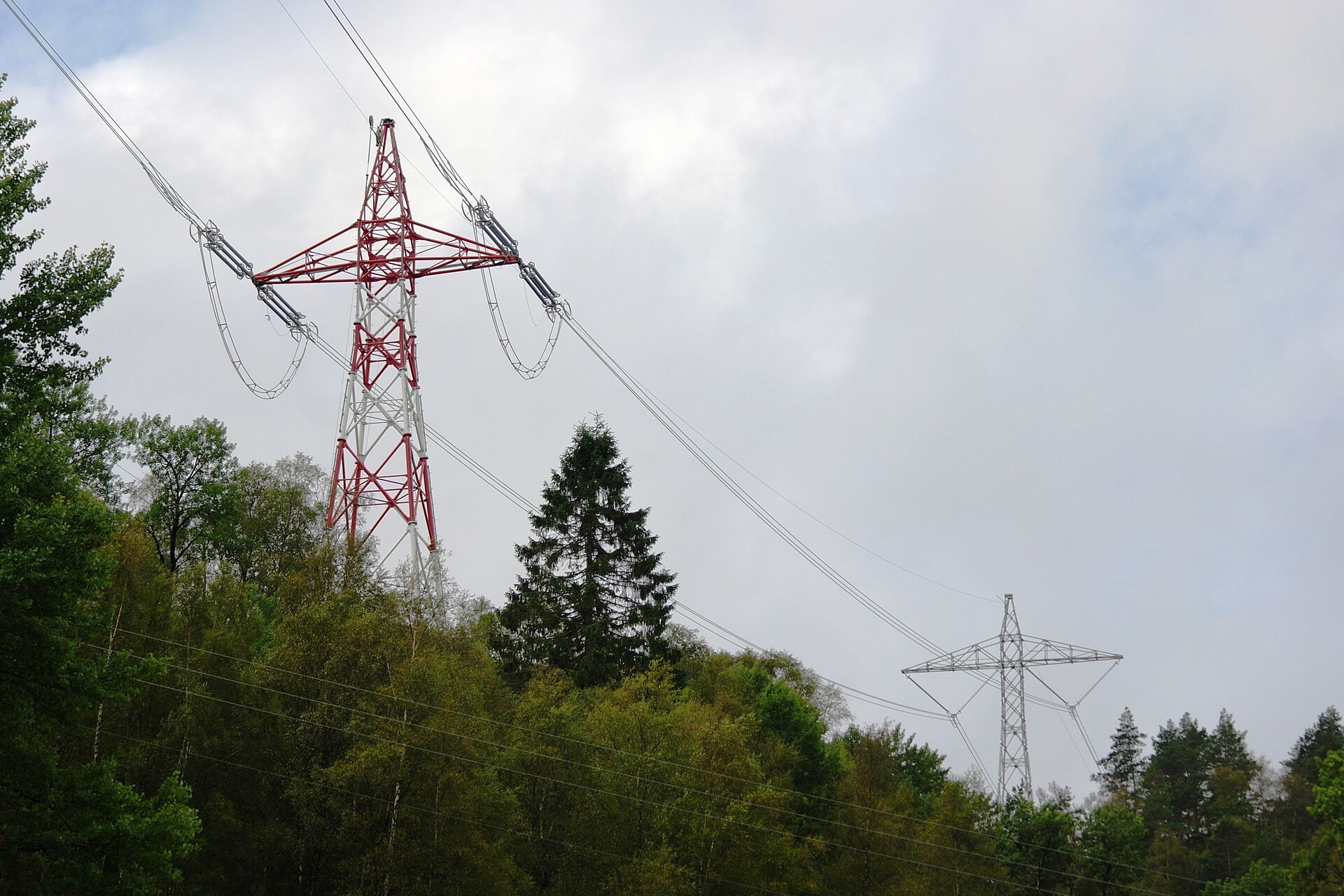
Norway's government said Tuesday, Nov. 10, that it will create a licensing regime for data centers and that the national grid operator, Statnett, has temporarily stopped granting new grid-capacity reservations to the industry, because overall demand for power and grid capacity "significantly exceeds what is realistically possible for the Norwegian power system to accommodate," according to a joint press release from the Ministry of Digitalisation and Public Governance and the Ministry of Energy.
The pause. Statnett's suspension of new reservations for data centers is expected to be lifted no later than Aug. 1, 2027, the government said. Projects already connected or already approved for grid capacity are not affected, trade publication Five Nines reported. Peer Olav Østli, Statnett's executive vice president for system operation and markets, said the pause "will apply until Statnett has developed and set the necessary technical requirements for data center facilities and these have been approved by RME," the Norwegian energy regulator, according to Five Nines.
The queue. According to Statnett figures cited by the government, data centers with a combined demand of 800 megawatts are already connected, 4,200 megawatts have reserved capacity, 9,100 megawatts are in the connection queue and requests have been filed for another 18,000 megawatts. Norway's peak electricity demand is just over 25,000 megawatts. Added together, the reserved, queued and requested capacity comes to 31,300 megawatts, more than the country's entire peak demand, although not every project would be built, Five Nines noted. Energy Minister Terje Aasland said Statnett has received applications to connect 26,000 megawatts of new capacity since the start of the year, and that data centers account for 75% of them.
The government's position. "We have made it clear that we do not want all types of data centres in Norway. We need data centres that are as beneficial to society as possible," said Digitalisation Minister Torgeir Micaelsen. Aasland said: "It is not desirable or possible to accommodate the electricity demand from all the data centres seeking to establish in Norway. We must ensure sufficient power is available, in the right locations, for purposes that serve the public interest."
What the plan includes. The government said it intends to license both existing and future data centers, with "robust transitional arrangements," and to present the main principles in autumn 2027. Data centers engaged in cryptocurrency-related activity "will not be regarded as beneficial to society." Other measures listed by the government: giving Statnett power to impose connection conditions on data centers; prioritizing electricity for critical public services; modernizing grid companies' obligation to connect new demand; making large new consumers pay more of the cost of expanding the grid; talks with the industry about building its own generation, including gas-fired plants with carbon capture and storage and offshore wind; and assessing state ownership of data center projects of particular public interest.
Who benefits. Five Nines reported that the licensing scheme is expected to favor data centers serving defense, police, emergency services, health services, mobile networks and the financial system. It cited a report last month from the Norwegian Technology Council finding that foreign companies own 90% of Norway's data center capacity and that the facilities provide few jobs beyond construction. Norway already hosts or has planned data centers from Microsoft, Nscale, TikTok through Green Mountain, and CoreWeave, according to the publication.
Why it matters beyond Norway. Norway produces more electricity than it consumes and is a net exporter, largely from hydropower, and has drawn developers seeking power for artificial-intelligence computing. The government said data centers are "indispensable for the safe and secure development and use of artificial intelligence," but also that they can cause "large and rapid fluctuations in power demand." The licensing rules, once written, will decide which of the many proposed projects get access to the grid.
Sources
- Government of Norway: Government seeks controlled growth of data centres in Norway (opens in a new tab)
- Schjødt: Statnett pauses new grid capacity reservations for data centres (opens in a new tab)
- The Five Nines: Norway pauses new data center grid connections (opens in a new tab)
- The Straits Times: Norway reins in data centre industry amid AI boom (opens in a new tab)