The Times' Lawsuit Against Brave Targets the Middleman: A 30-Billion-Page Index, a 'Paywall Blocker' and an API Sold to AI Companies
Two complaints filed Monday in Manhattan say Brave's crawler can't be detected or blocked and that it resells news to AI firms. Brave's response was not included in early reports.
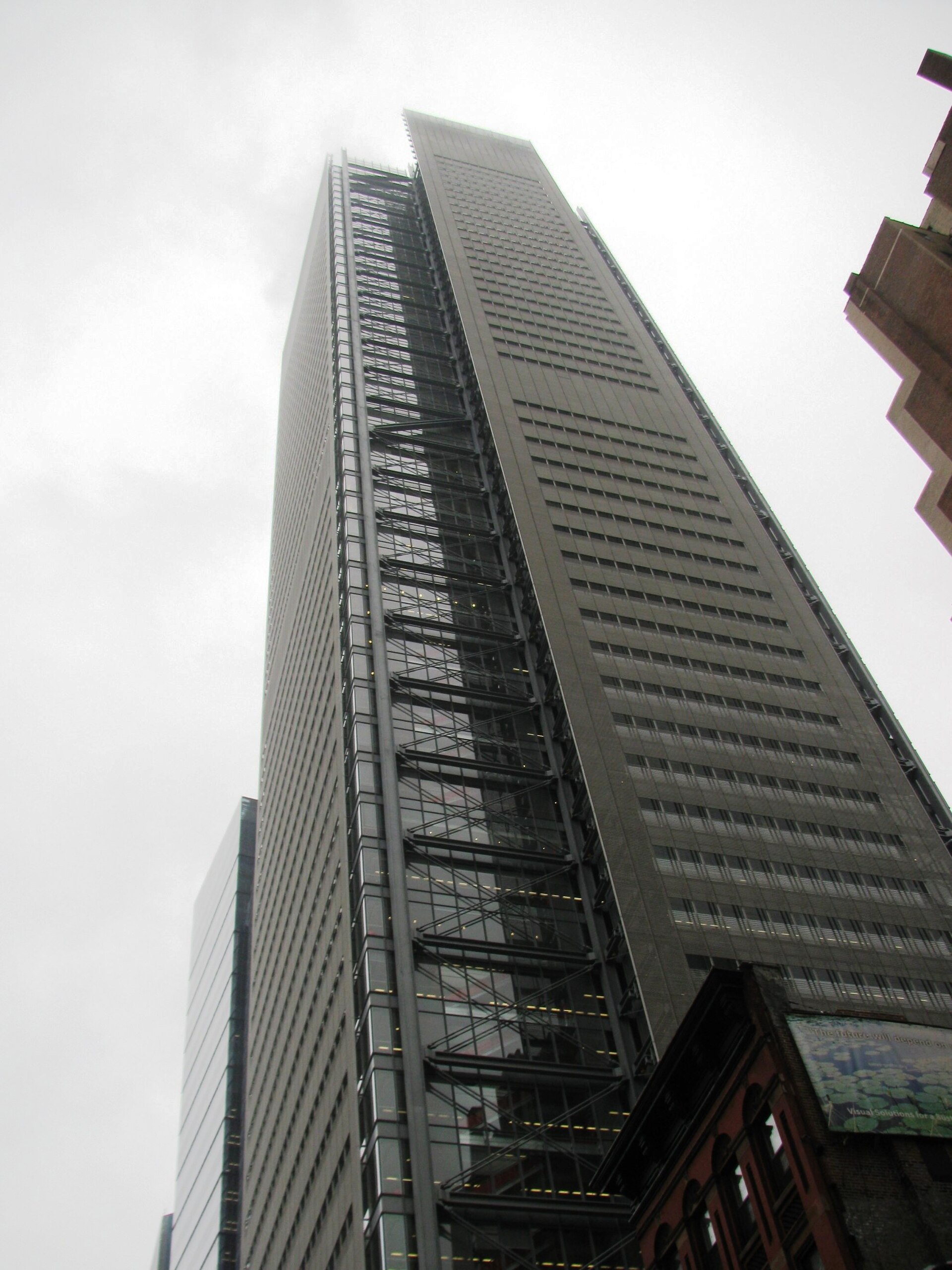
The New York Times on Monday sued Brave Software, the company behind the Brave web browser and search engine, accusing it of copying news articles into a search index and selling access to that content to artificial-intelligence companies, and of offering a browser feature that lets users bypass news paywalls. The complaint was filed in the U.S. District Court for the Southern District of New York.
A separate suit filed the same day in the same court by the companies that publish the New York Daily News, the Chicago Tribune and the Orlando Sentinel makes similar claims, according to Ars Technica and The Verge.
The index and the crawler
The Times' complaint centers on the Brave Index, the database behind Brave Search. Quoting Brave's own materials, the complaint says the index includes "over 30 billion webpages, with millions of new pages" added, and alleges that Brave crawled and copied content from those pages "without identifying itself or providing website owners with any mechanism to block its crawler."
"Brave is the supplier, dealer, and distributor of stolen copyrighted content for its own users and many of the most prominent GenAI companies, including Anthropic, Perplexity, Mistral, xAI, and Cohere," the Times alleged, according to Ars Technica. Citing third-party revenue estimates, the suit claims that "Brave has made more than $100 million by copying and reselling publishers' work without consent or permission," while "publishers have received nothing."
The complaint points to Brave's website, which says its Search API is "used by some of the biggest names in AI, including Cohere, Mistral, Perplexity, and You.com," Ars reported. According to the lawsuit, AI companies pay Brave for real-time content from the index and use it both to train models and to answer specific user queries.
Ask Brave and the 'Paywall blocker'
The complaint also targets Ask Brave, an AI feature in Brave Search that the company introduced in September 2025 and describes as giving "comprehensive answers to any question." The Times alleges that instead of sending users to publishers' sites, Ask Brave copies those sites to produce longer answers.
A third target is a browser setting called "Paywall blocker," which Brave promotes as allowing users to "Bypass Paywalls," according to the complaint. "The Brave Browser includes a default setting that, when activated, causes the browser to go behind website paywalls and provide the paywalled content to the user," the lawsuit says, as quoted by Ars. The complaint cites a Reddit user's post describing turning on the filter and reading the Times without an account, and posts by Brave employees on the Brave Community forum.
Ars Technica reported that in its own test of Brave for Mac on Monday, the optional paywall blocker made it possible to read a paywalled Times article, and that the feature was enabled in the default settings and could be turned off.
The Times also alleges that Brave blocks ads on its website and shows Brave's own ads instead, offering users a share of the revenue.
The legal claims and what the Times wants
The suit accuses Brave of direct, contributory and vicarious copyright infringement and of violating the Digital Millennium Copyright Act by circumventing technological measures that restrict access to articles, according to Ars. The Times asks for a permanent injunction, statutory and actual damages, restitution of profits from the alleged infringement, and "restitution and disgorgement of all revenue and profits Brave obtained through its ad-substitution scheme."
"While we believe in the ethical and responsible use and development of AI, Brave has flouted established copyright law and ignored repeated requests by The Times to stop its infringing conduct," Times spokesperson Graham James said in a statement to The Verge.
Steven Lieberman, the lawyer for the Daily News, Tribune and Sentinel publishers, said, "Buying stolen goods secondhand doesn't make them legitimate. Brave must be held responsible for laundering pirated reporting for the AI industry," according to Ars.
Responses
Ars Technica reported that it had contacted Brave and would update its article if the company responded; no Brave response appeared in the reports reviewed. These are allegations in a civil complaint, and no court has ruled on them.
Perplexity, which is not a defendant in the Brave suit but is being sued separately by the Times, said in a statement to Ars and other outlets that "The New York Times is overpaying its attorneys and underpaying its journalists," and accused the paper of "disinformation" without identifying specific inaccuracies, Ars reported.
A widening set of cases
The Times sued Perplexity in December 2025 and OpenAI and Microsoft in December 2023; the OpenAI case is heading toward trial, with OpenAI arguing that its use of news articles is fair use, according to Ars. The Brave suits shift the focus from companies that build AI models to a company that, the publishers allege, supplies those models with content.
A day after the filings, an adviser to the European Union's top court, Advocate General Maciej Szpunar, said in a non-binding opinion in a case involving Google's Gemini that AI chatbot answers that recognizably reuse press articles may infringe publishers' rights in certain circumstances.
Sources
- The New York Times Co. v. Brave Software, complaint, S.D.N.Y. (Nov. 2, 2026) (PDF) (opens in a new tab)
- Ars Technica: NYT demands Brave shut down its paywall blocker and end deals with AI firms (opens in a new tab)
- The Verge: The New York Times sues Brave web browser for AI scraping and bypassing paywalls (opens in a new tab)
- Court of Justice of the EU, Press release No 155/26: Opinion of AG Szpunar in C-250/25 Like Company (opens in a new tab)