Musk Spent More Than $445 Million on the Midterms. His Texas Candidates Lost, and Democrats Plan Investigations
Democrats want to know whether Musk used his DOGE role to benefit his companies, which have won at least $16 billion in federal contracts since early 2025.
Elon Musk gave more than $445 million to Republican candidates, PACs and outside groups this cycle, making him the top midterm donor, NPR reported, citing federal filings analyzed by OpenSecrets. Most of the candidates he backed lost.
Musk directed at least $225 million to Texas, including support for Ken Paxton's Senate bid and Gov. Greg Abbott's re-election. Both lost, and Democrats captured every statewide office in Texas, according to NPR.
Investigations ahead
With Democrats controlling Congress, Musk is likely to face investigations into federal contracts awarded to his companies and his role leading the Department of Government Efficiency, NPR reported. During the four months he led DOGE, his companies received at least $6.3 billion in contracts, and at least $10 billion since, according to the Democracy Defenders Fund.
Sen. Chris Coons, D-Del., wrote on X that Musk's links to Vladimir Putin are "one more thing to add to the list of questions for Musk when I subpoena him." Rep. Mike Levin, D-Calif., cited Musk restricting Ukraine's use of Starlink. Richard Painter, a former White House ethics lawyer, said that as a special government employee Musk was barred from official matters affecting his finances.
Market reaction and Musk's response
SpaceX shares fell nearly 4% and Tesla 3% Wednesday even as markets rose, NPR reported. As results came in, Musk wrote on X, "Guess my election-interfering space lasers didn't work this time."
"Power belongs to the people," said James Talarico, who defeated Paxton.
Additional reporting
Elon Musk faces scrutiny after Democratic midterm wins Democrats are likely to launch investigations into Musk's influence, including his leadership of DOGE and government contracts Elon Musk gave more than $445 million to Republican candidates, political action committees and outside groups, according to federal election filings but most of the candidates he backed on Tuesday lost.
Elon Musk wasn't on Tuesday's ballot, but he stands to lose a lot from Democrats' sweeping midterm victories in the House and Senate. In no state was this more acutely felt than in Texas, home to the headquarters of Musk's companies and where he spent more than $200 million, according to federal filings, in a mission to sway the Senate race in the Republican candidate's favor.
With a Democratic majority in Congress, the billionaire, who controls Tesla and SpaceX, will likely face investigations into the billions of dollars of government contracts his companies have been awarded since President Trump returned to office and his role leading the Department of Government Efficiency at the beginning of Trump's second term.
Musk gave more than $445 million to Republican candidates, political action committees and outside groups, according to federal election filings analyzed by OpenSecrets, a nonprofit that tracks campaign spending. That makes him the top donor in the midterms and among the very largest political donors in American history.
The central question Democratic lawmakers say they want answered is whether Musk used his influence inside the Trump administration to benefit his own businesses, and whether taxpayer money, government data and public institutions were put at risk in the process. During the four months Musk led DOGE, he received at least $6.3 billion in government contracts. Since then, he has gained at least another $10 billion in government contracts, according to the Democracy Defenders Fund, a legal advocacy nonprofit.
While leading DOGE, Musk was a part-time special government employee, and as such was subject to a federal law prohibiting covered executive branch and related personnel from participating in official matters affecting their personal financial interests, said Richard Painter, former chief White House ethics lawyer in the George W. Bush administration.
Texas in particular has become a big focus of Musk's efforts to exert political power, as he has made the state the nerve center of his sprawling business empire. Tesla's corporate headquarters and a major vehicle manufacturing facility are in Austin. X, formerly Twitter, is based outside of Austin. SpaceX, which makes rockets and satellites, is based in southern Texas. Musk's Neuralink and The Boring Company are also headquartered in the state.
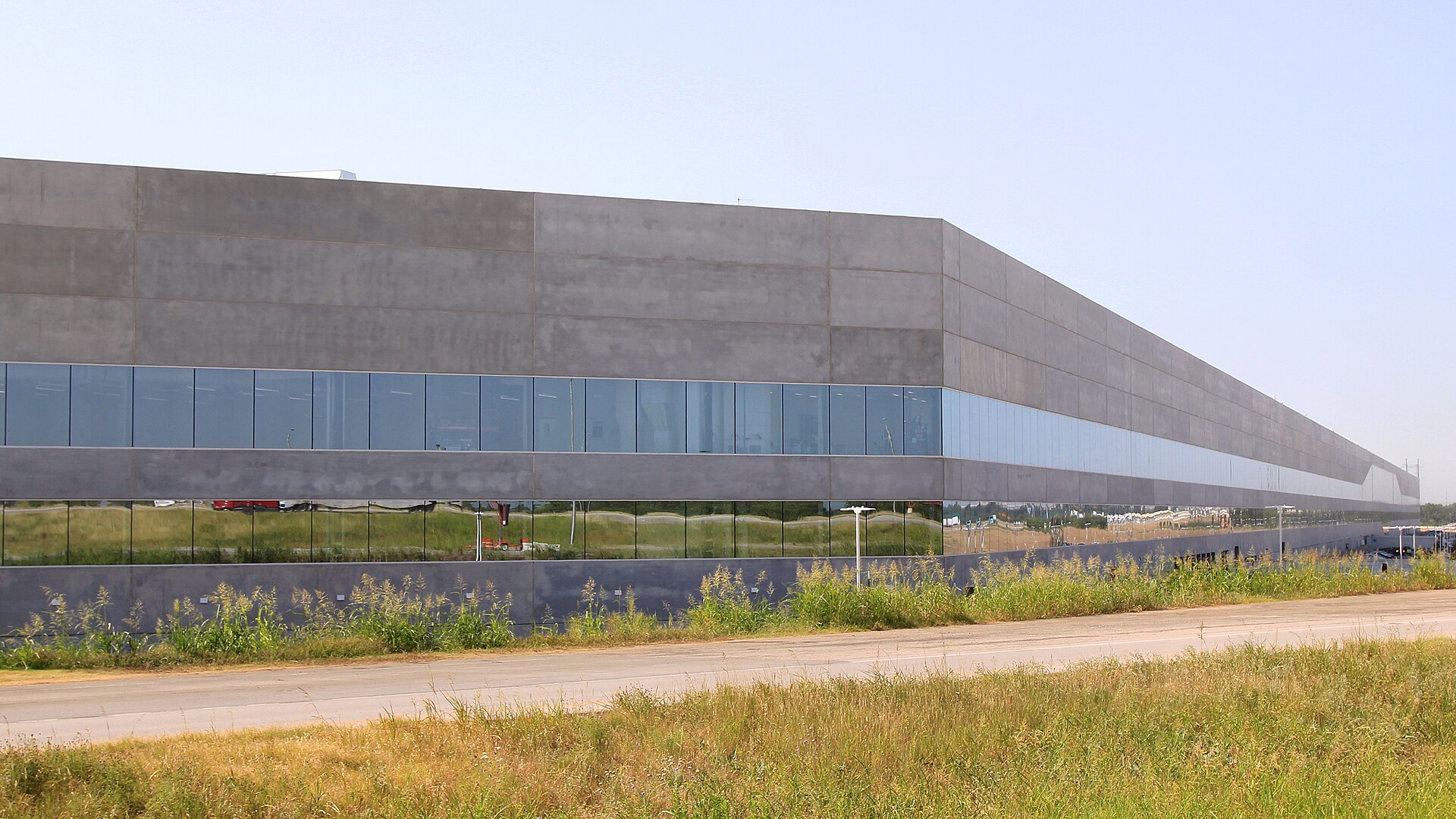
Much of Musk's estimated wealth is tied up in his ownership stakes in his companies. Even as markets rose Wednesday after Democrats' midterm wins, SpaceX shares fell nearly 4% and Tesla dropped 3%. SpaceX is reportedly exploring several possible Texas sites for large data centers. Tesla owns and operates its massive Giga Texas data center in Austin. In August, plans for a $16.8 billion SpaceXAI semiconductor fabrication project in Texas were announced.
Musk directed at least $225 million of his midterm spending to Texas, according to OpenSecrets, including supporting Republican Ken Paxton's bid for U.S. Senate and Gov. Greg Abbott's reelection campaign. But Paxton and Abbott both lost, suggesting Musk's money wasn't enough to overcome a wave of enthusiasm that saw Democrats capture every statewide office in Texas.
What is still unknown
No committee has announced a subpoena or hearing date.