Twelve Bills, More Than 40 Policy Changes, Seven Weeks: House Majority Leader Says Not All Will Pass
Rep. Michael Moran told reporters some conference committee deals will slip to the next session. Anything unfinished when the term ends Jan. 5, 2027, dies and must start over.
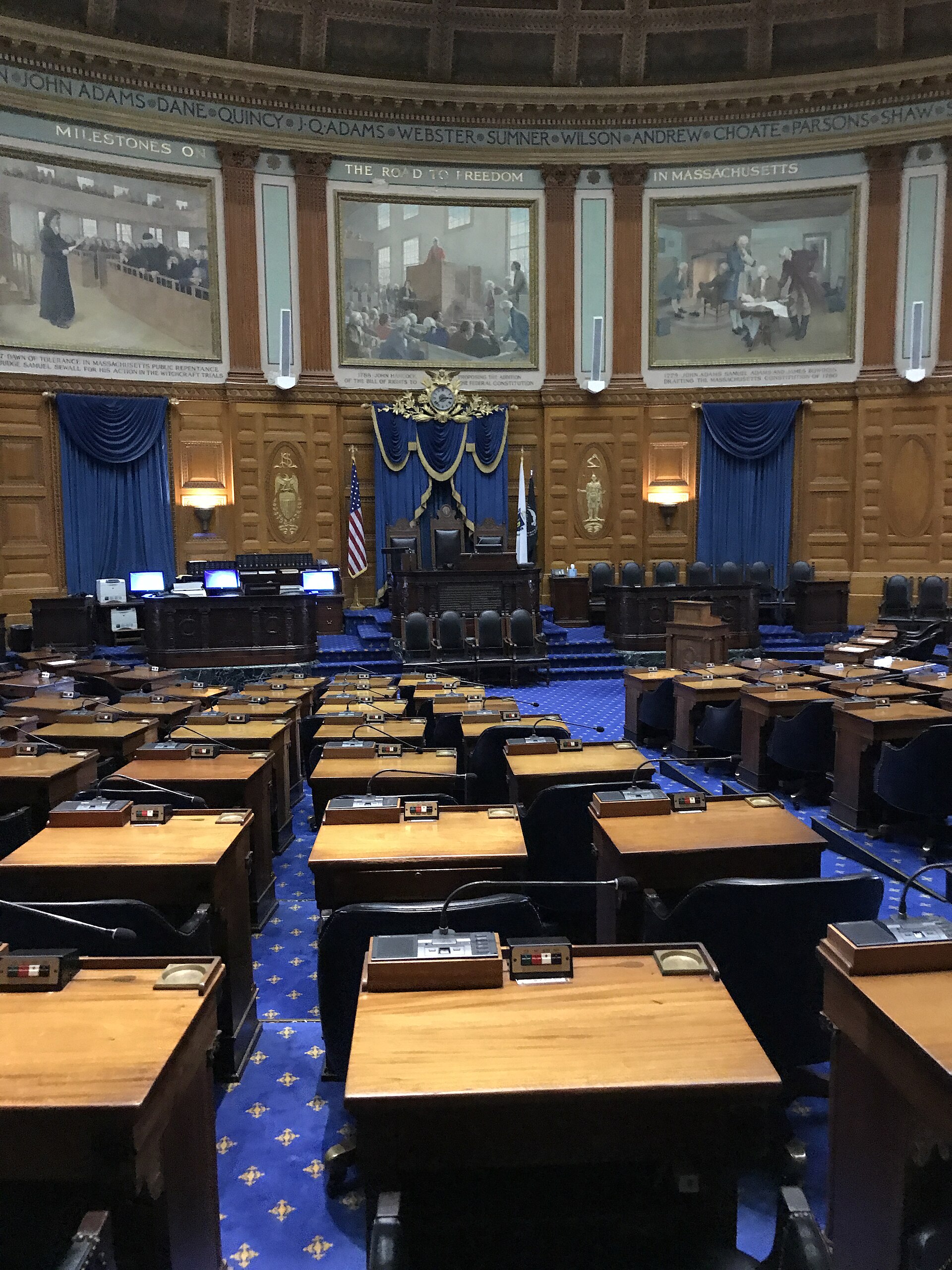
The second-ranking Democrat in the Massachusetts House said Tuesday that the Legislature is unlikely to finish all of the major bills now stuck in House-Senate negotiations before the two-year term ends in January.
"I think you'll see some move. I don't believe you'll see all of them move, but I think you'll see some move," House Majority Leader Michael Moran told reporters, CommonWealth Beacon reported. "That's just negotiations. The good thing is we have next session to go right back at it."
Moran, a chief deputy to Speaker Ron Mariano, was referring to the 12 bills that have passed both chambers in different forms and now sit with conference committees. More than 40 distinct policy changes are at stake in those bills, according to CommonWealth Beacon, ranging from zoning reforms intended to increase housing production to cuts to energy efficiency programs aimed at lowering utility bills. Nothing can reach Gov. Maura Healey's desk until negotiators agree on a single version.
The deadline is fixed. Any bill still pending when the term ends on Jan. 5, 2027, expires, and lawmakers must start over after the new Legislature is sworn in the following day.
Moran suggested that some unfinished bills could move quickly in the next session. "You've seen in the past sometimes we came right out the next session and did one of those bills immediately," he said. "It may be slowed down in the process now, but it doesn't mean it's completely over." CommonWealth Beacon noted one precedent: in 2021, lawmakers sent then-Gov. Charlie Baker a climate bill on the penultimate day of the term, Baker vetoed it, and legislators refiled and repassed it in less than four weeks.
Typically, though, it takes the Legislature several months to begin advancing major bills in a new session.
Moran is not the first House leader to lower expectations. Rep. Aaron Michlewitz, chair of the House Ways and Means Committee, who sits on three of the negotiating panels, told The Boston Globe last week that it was "too early to tell" whether lawmakers would "bat 1.000" on the unfinished work.
Moran's comments came after lawmakers held a public hearing on the Legislature's joint rules, where they heard sharp criticism of their internal processes. Good-government advocates reacted with frustration. "Good grief," said Scotia Hille, executive director of Act on Mass, when told of Moran's remarks. "My first thought is of the rank-and-file representatives who voted on that legislation on behalf of their constituents. I'm sure they'll be disappointed to hear legislation they worked on that they thought would move us forward might once again die in the black box of the conference committee."
The current backlog is partly a product of a rules change. For three decades, the Legislature required major business to be finished by July 31 of a term's second year. After overnight sessions in 2022 and 2024 that ran past sunrise on Aug. 1 and still left major bills unfinished, lawmakers adopted rules allowing negotiations to continue through the end of the term as long as each chamber had passed its version by July 31.
That change was meant to reduce deadline pressure. The result this year has been a lame-duck session with an unusually large number of high-stakes bills, including the first term in decades in which lawmakers allowed themselves to take up complex topics this late in the cycle. Senate President Karen Spilka has called the pace unacceptable, according to The Boston Report, and has suggested she might reconsider the extended deadline next term.
The negotiators are small groups. Each conference committee has three members from each chamber, typically including the chairs of the relevant committees and one member of the minority party, and their talks are generally not public. That structure is a frequent target of reform advocates, who argued at Tuesday's hearing that conference reports should be released earlier and that rank-and-file members should have more time to review them before final votes.
For residents, the outcome determines whether several policies voters have heard about this year become law in 2026 or slip into 2027 or later. Among the bills in conference are measures affecting housing production and the funding of state energy efficiency programs, both tied to household costs.
Open questions include which of the 12 bills leaders consider closest to agreement, whether formal sessions will be scheduled in December, and whether the next Legislature will restore an earlier deadline for completing major bills.
Sources
- CommonWealth Beacon: Lower your expectations: House majority leader does not think Legislature will finish every bill stuck in negotiations (opens in a new tab)
- State House News Service: Public pans new joint rules as House leader signals some deals will slip (opens in a new tab)
- The Boston Report: Spilka rebukes Beacon Hill bill delays (opens in a new tab)
- CommonWealth Beacon: Spilka might backtrack on extending legislative deadline next term (opens in a new tab)