MIT Graduate Workers Face a Nov. 12 Strike Deadline as Contract Talks Drag
The same labor roundup that covered Harvard's walkout flagged MIT's deadline over parallel issues.
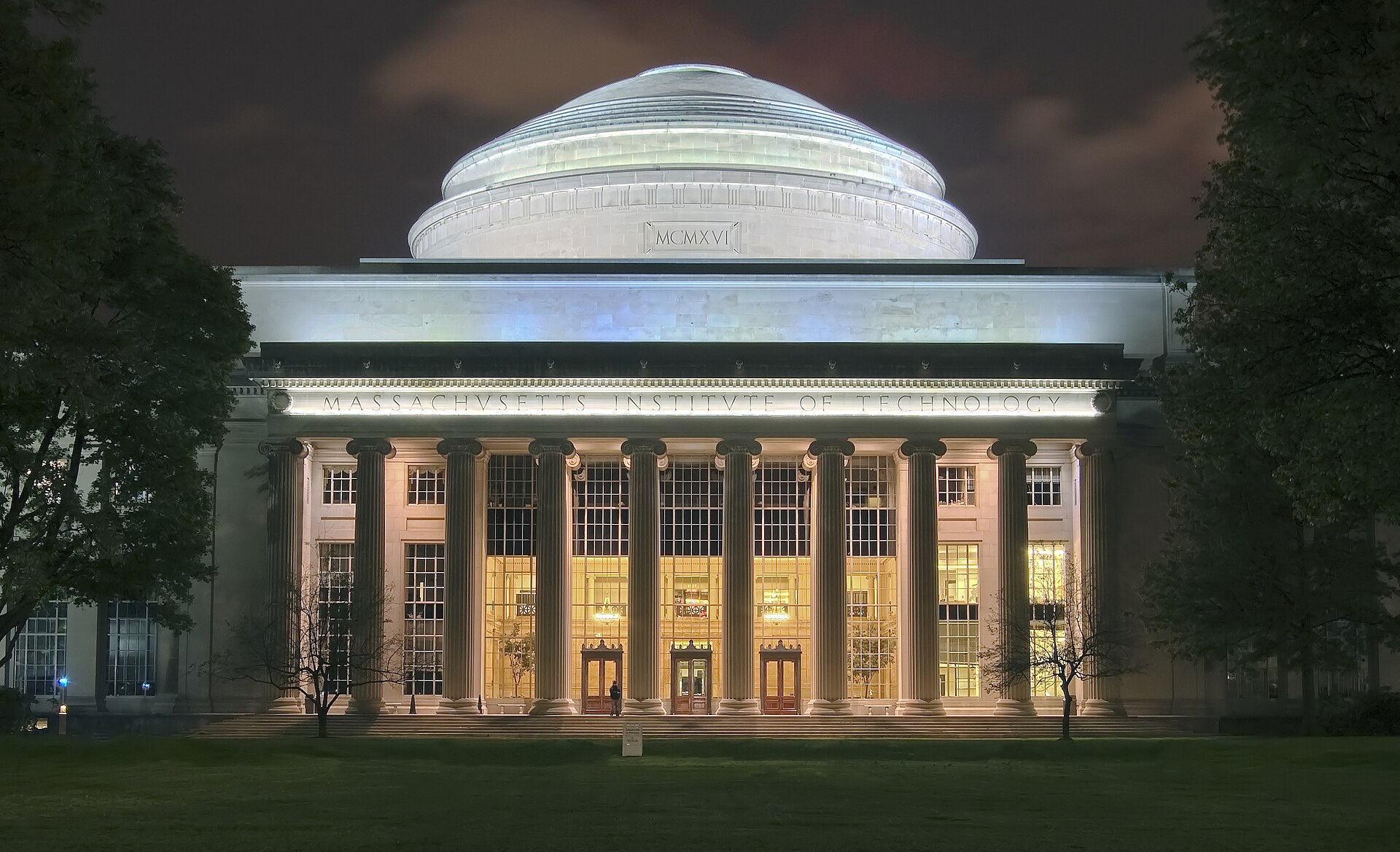
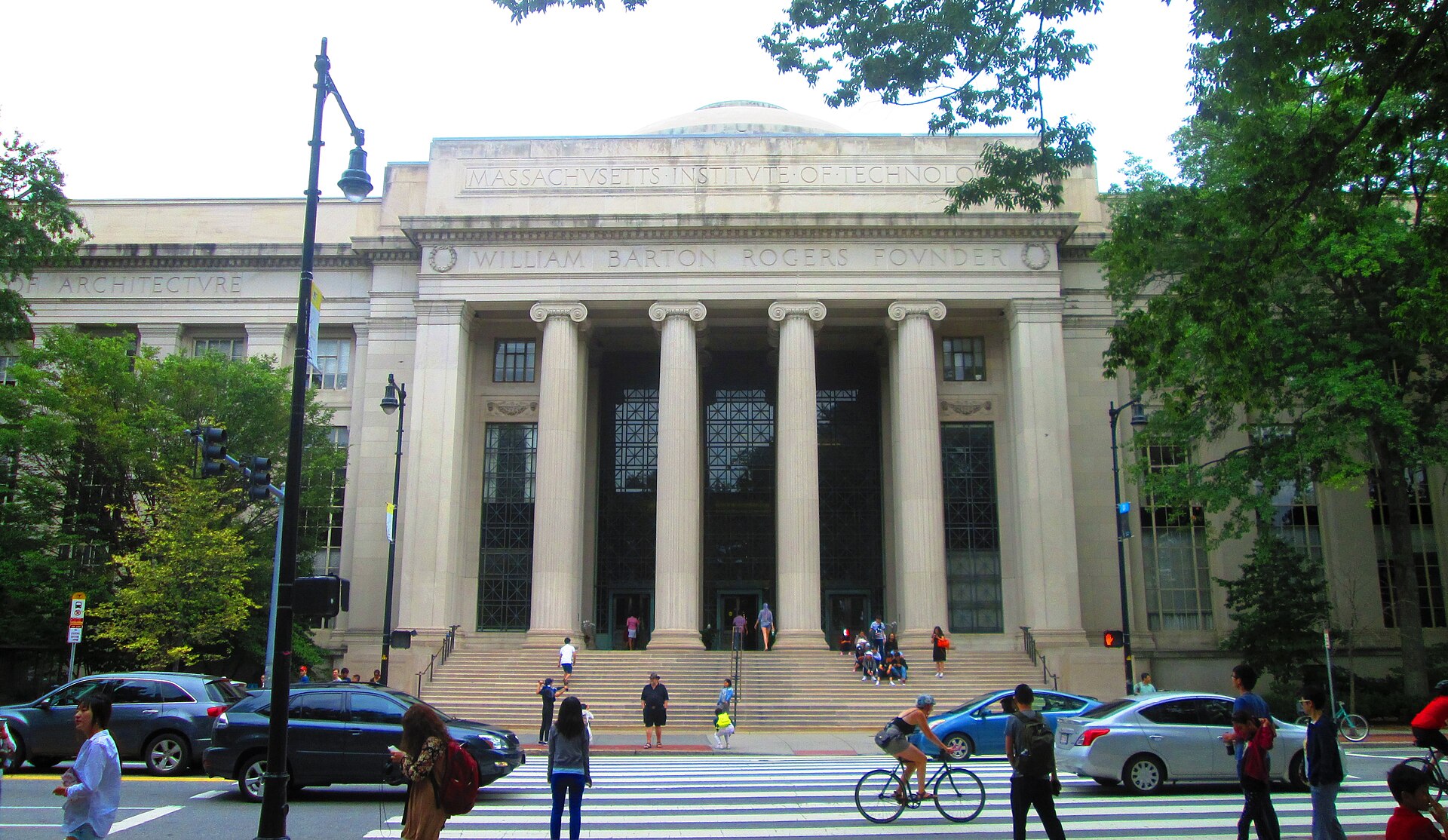
CAMBRIDGE — MIT graduate workers are approaching a Nov. 12 strike deadline amid stalled talks on pay and workplace protections, Inside Higher Ed's Nov. 5 labor roundup reported alongside Harvard's active strike.
MIT's graduate labor landscape differs from Harvard's in institute structure — more lab-centered funding, different international enrollment mix — but the pressure points rhyme: stipend adequacy against Cambridge rents, grievance speed, and how much say workers have when a PI's grant sets the real working conditions.
A strike deadline is not a strike. It is a calendar weapon. Administrations often move in the final 72 hours; unions often need the deadline to keep members mobilized after months of bargaining bulletins.
If MIT workers walk, Kendall Square will feel it in research output before undergraduates feel it in problem sets. Industry partners who fund labs watch strike risk the way they watch equipment lead times.
Cambridge with both Harvard on strike and MIT on a deadline would be a full-river labor story. That is the week the city is staring at.
Public records and contemporaneous reporting remain the basis for every figure and quotation in this account; where officials have not yet released a name, motive, vote tally or investigative finding, that gap is stated plainly.
Boston Uncut will update the story when primary agencies publish additional statements, dockets, agendas or certified results that change the factual picture.
Readers can follow the linked sources for underlying documents and full quotations. Allegations in complaints, campaign statements or activist materials are labeled as such and are not presented as findings.
Background and historical comparisons appear only when they illuminate the present dispute; they are not evidence about unresolved facts in the current case.
Where multiple outlets reported the same event, this account prefers figures and quotations that appear in more than one independent source, and notes remaining disagreements.
Official agendas, court dockets, agency releases and on-the-record interviews are treated as primary; secondary summaries are used to locate those records and are checked against them when available.
Public records and contemporaneous reporting remain the basis for every figure and quotation in this account; where officials have not yet released a name, motive, vote tally or investigative finding, that gap is stated plainly.
Boston Uncut will update the story when primary agencies publish additional statements, dockets, agendas or certified results that change the factual picture.
Readers can follow the linked sources for underlying documents and full quotations. Allegations in complaints, campaign statements or activist materials are labeled as such and are not presented as findings.
Background and historical comparisons appear only when they illuminate the present dispute; they are not evidence about unresolved facts in the current case.