MIT and BU Researchers Built a Prototype That Turns Mixer Knobs Into Controls for Photo, 3D and Music Software
TangiMap uses an AI agent to assign software functions to physical knobs, sliders and buttons. The team has not yet tested whether users find it better.
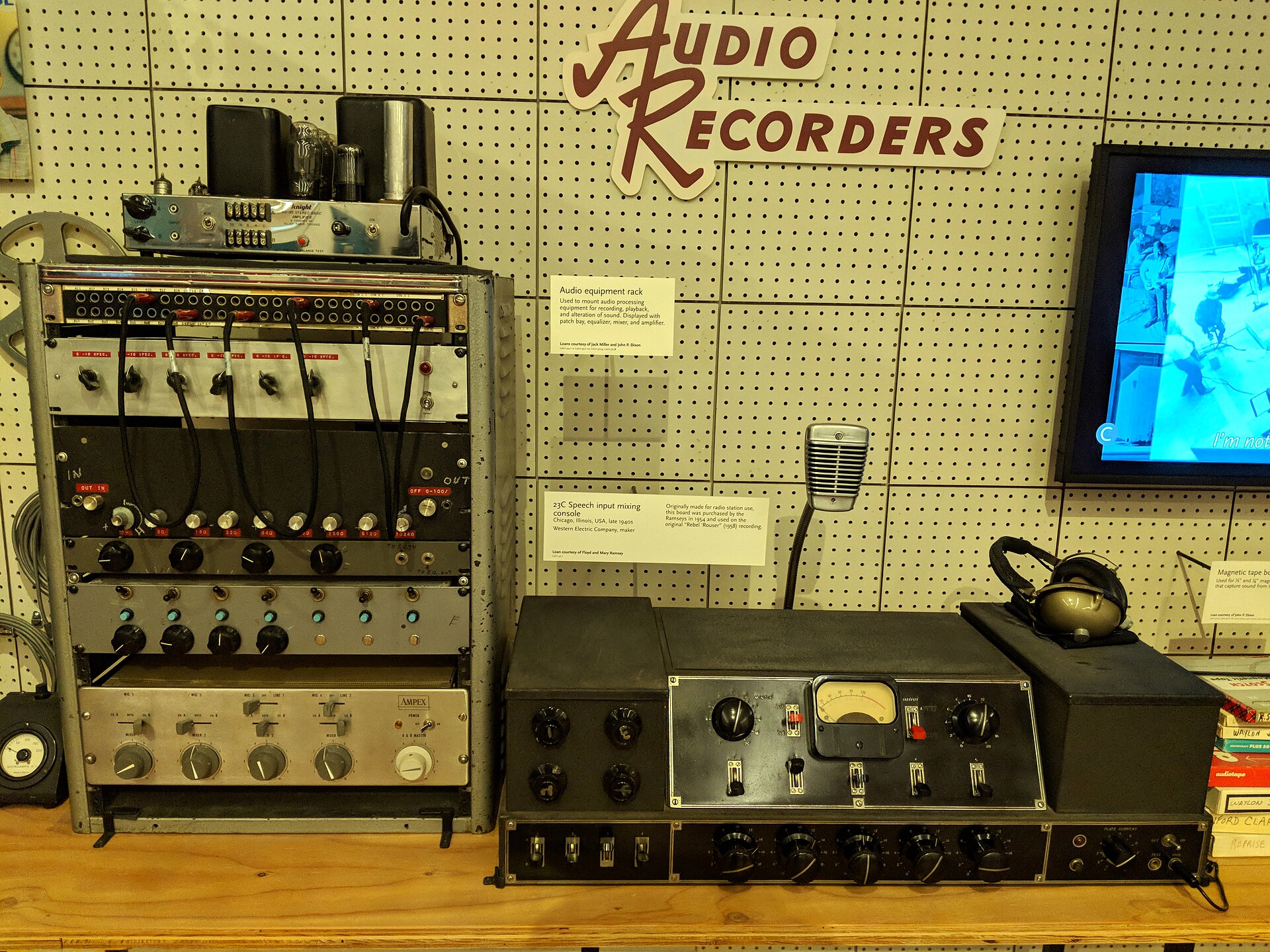
Researchers at MIT and Boston University have built a prototype that lets an AI agent reassign the knobs, sliders and buttons on physical controllers, such as audio mixers, to functions in creative software, according to an MIT account published Nov. 24 and summarized by Superpower Daily.
The system, called TangiMap, comes from Yunyi Zhu, an MIT doctoral student and researcher at the Computer Science and Artificial Intelligence Laboratory, and Chang Xiao, an assistant professor at Boston University. They presented the work at the ACM Symposium on User Interface Software and Technology, held Nov. 2 to 5.
TangiMap gathers context about three things: the software application, the person using it and the device that will control it. That context can come from an application's programming interface, a Model Context Protocol server or a screenshot interpreted by a vision-language model, and a large language model organizes it before mapping controls. In demonstrations, a mixer's knobs adjusted a photo's colors or a 3D object's shininess rather than sound.
The team demonstrated the system with photo editing, music software, Blender and Adobe Character Animator, using mixers and a control pad.
The prototype has limits, according to the report. Zhu and Xiao built a custom interface for each demonstration; generating one automatically from a photo of a device is a goal, not part of the demonstrated workflow. The researchers also have not yet tested whether the mappings improve the user experience, and a user study remains planned future work.
When the system might be released, and whether it will work with off-the-shelf controllers without custom setup, has not been announced.