Four Seasonal Ferries Will Keep Running Through New Year's Eve; East Boston's Carried 71,136 Riders Through August
The MBTA extended its East Boston, Lynn, Winthrop and Quincy boats to Dec. 31. It also scheduled two online meetings in November on turning the Commuter Rail into a more frequent Regional Rail system.
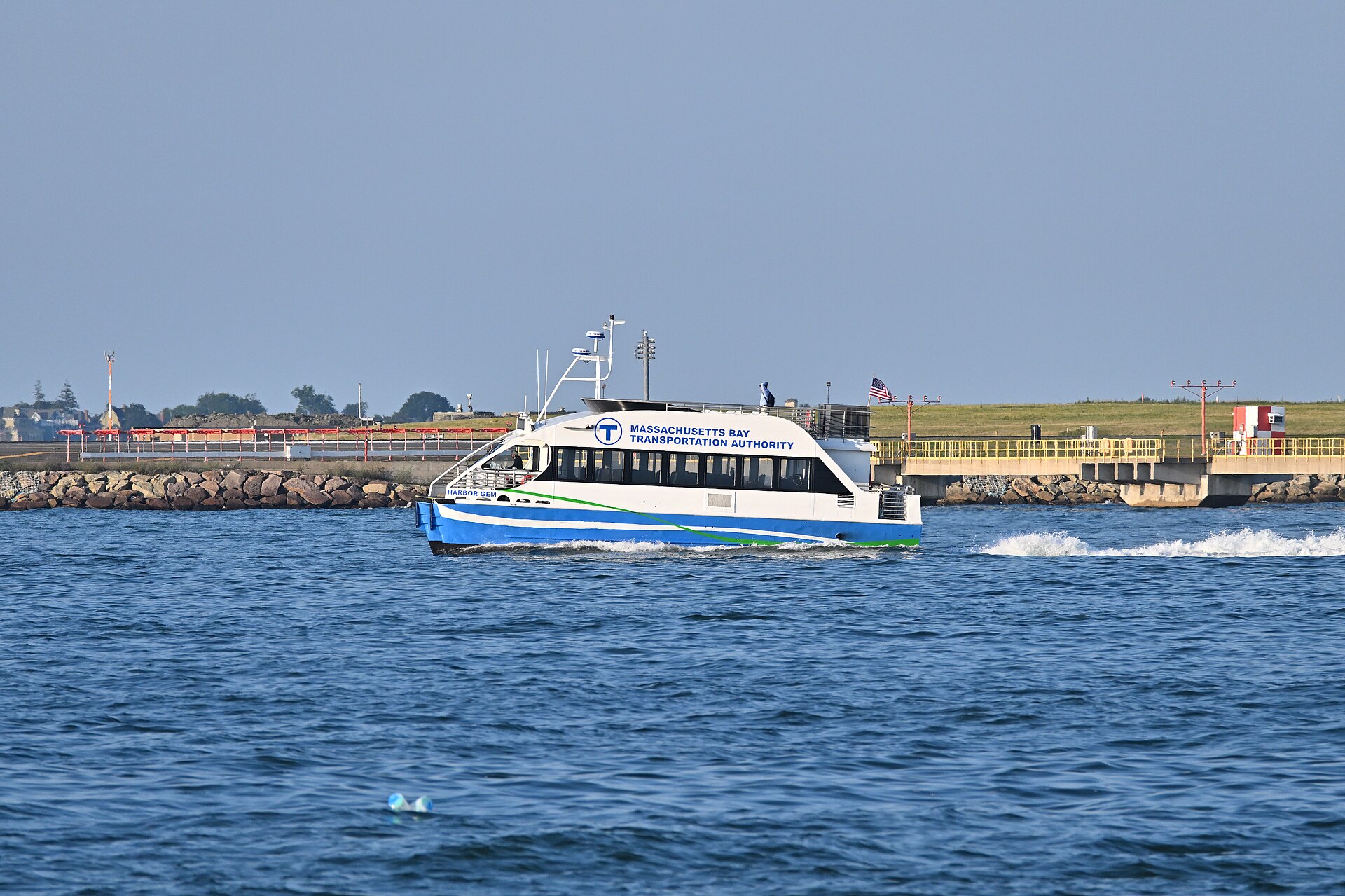
The MBTA will keep four of its seasonal ferry routes running through the end of the year, the agency announced Wednesday, giving riders in East Boston, Lynn, Winthrop and Quincy a water option into the winter months.
According to the MBTA, the extended service runs through Dec. 31, 2026, on these routes: East Boston, weekday and weekend service; Lynn, weekday service; Winthrop, weekday service; and Quincy, weekday service. Those boats would otherwise have ended with the seasonal schedule.
The ridership on those routes this year, as reported by WBUR from figures the T provided, was 71,136 on the East Boston ferry from the start of the 2026 season through the end of August, 31,482 on the Lynn ferry, 18,101 on the Winthrop route and 31,021 on the Quincy route. Together that is 151,740 trips on the four routes in that period. The MBTA did not release figures for September or October.
Four other ferry routes already run year-round and are unaffected, the agency said: Hingham/Rowes Wharf, Harbor Loop and Hingham/Hull, all weekdays, and the Charlestown ferry, weekdays and weekends. There is no service on any ferry route on Thanksgiving Day, Christmas Day or New Year's Day, and the MBTA warned that weather and unsafe sea conditions can disrupt service.
"Our administration is committed to making public transportation more reliable and convenient for Massachusetts residents," Gov. Maura Healey said in the announcement. "By extending ferry service into the winter, we're giving riders in East Boston, Lynn, Winthrop and Quincy more options to get where they need to go."
"Thousands of riders enjoy taking the ferry for their travels, and the MBTA is pleased to be able to extend this ferry season," said Phillip Eng, the interim transportation secretary and MBTA general manager. "The Healey-Driscoll Administration has made water transportation a priority. With the continued support of the Legislature, we are building a vital ferry network that connects people to communities, work, play and the greater MBTA system." He thanked the agency's operations team "for supporting expanded ferry service and helping the agency enhance its water transportation options year-round."
The announcement does not say what the extension costs, how it is funded, or whether the four routes will return to year-round service in 2027. It also does not say whether winter schedules will match the current timetables; the MBTA directs riders to its online ferry schedules and the MBTA Go app for real-time information.
The same day, the MBTA reminded the public of two online meetings on a separate, much larger project: its long-range plan to convert the Commuter Rail into what it calls a modern Regional Rail system. The agency describes Regional Rail as service with significantly higher frequencies and more frequent service in both directions, serving a broader range of trips than the traditional rush-hour commute into Boston.
According to the MBTA, the plan will explain long-term goals that will guide investment over the coming decades and lay out the agency's decision-making criteria and the data that will inform future spending. This first phase of public engagement, the agency said, is meant to help riders and the public understand "what it will take, in terms of capital investments, to run at significantly higher frequencies."
The meetings are online at 6 p.m. on Wednesday, Nov. 4, and at 6 p.m. on Tuesday, Nov. 17. American Sign Language interpretation will be available, and other languages can be requested in advance from [email protected]. Comments can also be submitted on the MBTA's website. The next phase of public engagement is planned for spring 2027.
"The MBTA had one of the best return-to-ridership rates across the nation since Covid thanks to work done to make our Commuter Rail something riders could depend on more often," Eng said in that announcement. "We are seeing more people to turn to trains and public transit beyond their workday commutes, and we plan to keep it that way."
The Regional Rail announcement does not include a cost estimate, a list of lines that would get more frequent service first, or a timeline for when riders would see changes. Those are the questions the planning process is meant to answer.
Still unknown: the cost of the ferry extension, the ridership on the four routes in the fall, and when the Regional Rail plan will produce specific proposals for individual lines.
Sources
- MBTA: MBTA extends four ferry routes through the end of the year (Oct. 28) (opens in a new tab)
- MBTA: MBTA to host two community meetings for Regional Rail modernization in November (Oct. 28) (opens in a new tab)
- WBUR: ferry ridership figures, in 'Mass. sheriffs ask Gov. Healey to tweak new limits on ICE arrests' (Oct. 29) (opens in a new tab)
- MBTA: Ferry schedules (opens in a new tab)