Heating Oil Is 59 Percent Pricier Than a Year Ago. Worcester and Leominster Are Adding 101 Shelter Spots for the Winter.
The state's energy office forecasts a warmer winter but higher bills for most households. A new $860,535 state grant funds added beds from Dec. 1 to April 30.
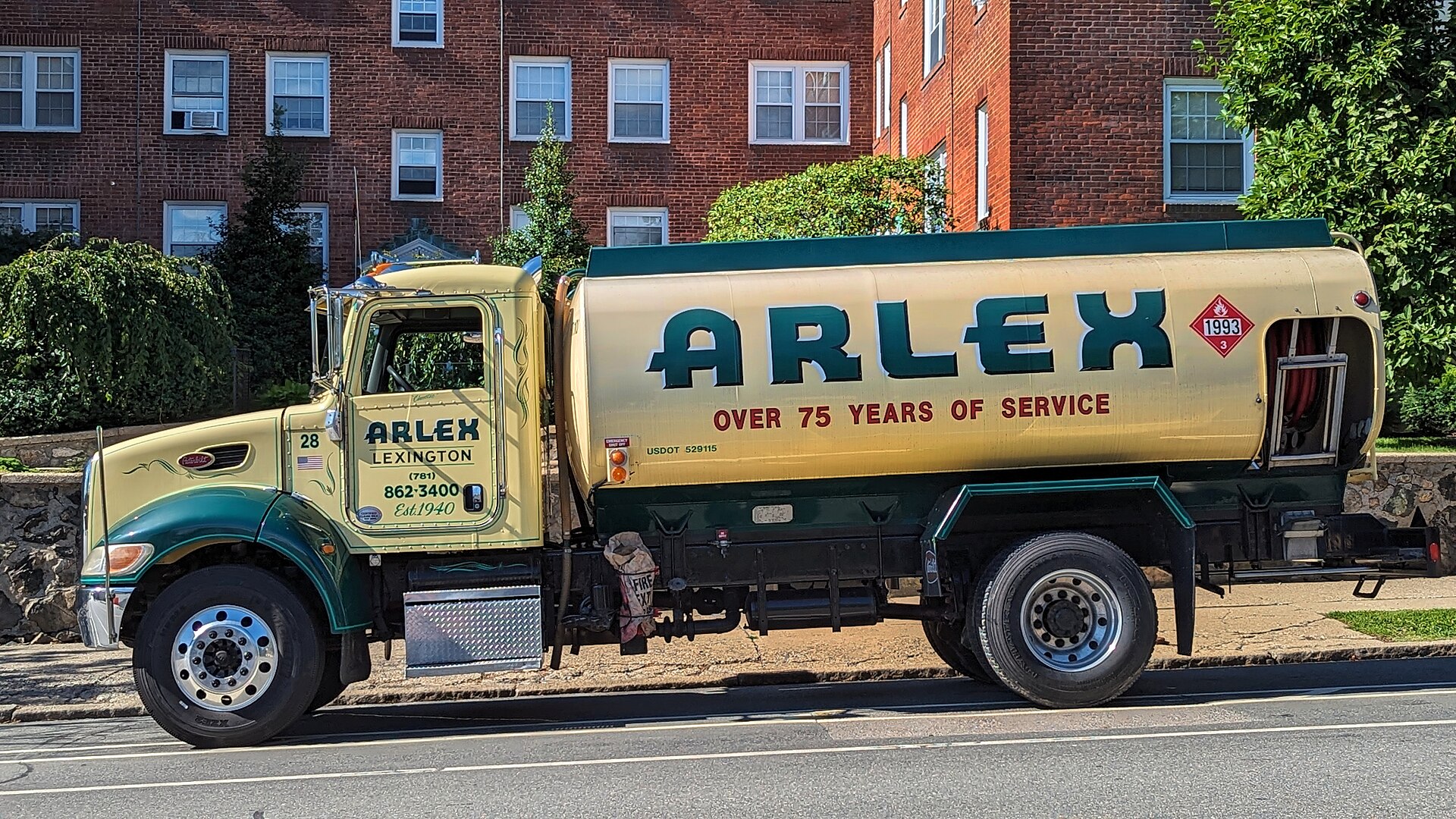
Massachusetts households that heat with oil are paying far more than they did a year ago as the heating season begins, while a new state grant will add shelter space in Central Massachusetts for people with no heat at all.
Heating oil averaged $5.94 a gallon in Massachusetts in the week of Nov. 9, about 59 percent higher than the $3.74 average a year earlier, according to the state Department of Energy Resources, as reported by the State House News Service. The state's weekly price survey later showed the average dipping to $5.66 as of Nov. 16.
DOER's winter outlook predicts a warmer, wetter season than last year, which would reduce the amount of fuel households burn. But the department says prices are higher than last winter for most customers, with oil rising the most, and that many households may still pay more overall. DOER attributes the oil increase to the war in Iran.
About 20 percent of Massachusetts households heat with oil, about 4 percent with propane, about 50 percent with natural gas and about 20 percent with electricity, according to DOER's consumer guide as summarized by Boston Neighbor. Propane prices are up about 13 percent from last year, according to the News Service.
Forecasts have missed in the past. Last year, the state forecast an average oil price of $3.10 a gallon; the actual average was $4.09. This year, DOER did not publish household cost estimates for the season, the News Service reported.
Natural gas and electric customers face their own increases. Gas supply rates range from about $2.38 to $3.77 per therm depending on the utility, compared with the $2.03 projected last year, and electric rates are running roughly 34 to 47 cents per kilowatt-hour including delivery, according to the News Service. National Grid has requested an increase effective Dec. 1.
Households with heat pumps on the three largest utilities can receive lower delivery rates from Nov. 1 through April 30. DOER lists the heat pump rate for National Grid at about 35.7 cents per kilowatt-hour, an estimated 11 percent saving this winter, and an estimated 7 percent saving for Eversource customers.
Nationally, the U.S. Energy Information Administration's Winter Fuels Outlook, published Oct. 6, expects households heating with oil to spend 21 percent more than last winter, at a national average of about $5.26 a gallon. It projects households heated by electricity to spend 4 percent more and those heated by natural gas or propane to spend less. The EIA does not publish a figure for Massachusetts alone.
The governor has also moved to help with costs. Healey declared an energy emergency in October and created a one-time heating benefit of up to $680 for middle-income households that do not qualify for the state's Home Energy Assistance Program, with applications opening in December, WBUR and NBC Boston reported. For a four-person household, income must be above $103,049 and up to $171,749. Low-income households can apply for fuel assistance through local community action agencies, which administer the federal Low Income Home Energy Assistance Program in Massachusetts.
For people without housing, the state is funding more beds. South Middlesex Opportunity Council, known as SMOC, received an $860,535 grant from the Executive Office of Housing and Livable Communities to shelter 101 people from Dec. 1 through April 30, 2027, in partnership with the cities of Worcester and Leominster.
In Worcester, the grant funds 49 additional beds for men on the second floor of SMOC's Queen Street shelter and 32 beds at its women's shelter on Chandler Street. In Leominster, it opens 10 additional rooms for 20 people at the former Days Inn on Main Street, which SMOC operates as a shelter. The grant also covers staffing, daily meals and support services.
"This funding is critical to helping ensure people are not outside in the elements during our cold winter nights," Worcester City Manager Eric D. Batista said. SMOC President and CEO Susan Gentili said the agency's priority is to "connect these individuals with the support services they need to obtain stable housing and independence." Worcester is also reviewing applications for opioid settlement funding, released Oct. 2, that could further expand seasonal shelter if needed.
Households struggling with bills can ask oil and propane dealers about fixed-price or capped-price plans and budget billing, which spreads payments across months without lowering the total. Open questions include how far oil prices move with the conflict in the Middle East, whether utilities' December rate requests are approved as filed, and whether the added shelter capacity in Central Massachusetts will be enough in a cold snap.
Sources
- State House News Service: Forecast: warmer winter, but higher home energy bills (opens in a new tab)
- Mass.gov: Massachusetts home heating fuels prices (opens in a new tab)
- Boston Neighbor: Heating oil, propane and gas prices this winter (DOER and EIA summary) (opens in a new tab)
- WBUR: Healey moves to blunt soaring heating costs as fuel prices rise (opens in a new tab)
- NBC Boston: Need help with heating bills? New resource available for some Mass. households (opens in a new tab)
- City of Worcester: SMOC and City of Worcester partner to open additional winter shelter beds (opens in a new tab)