A Judge Set March 29, 2027, for Lindsay Clancy's Retrial. What Charge the Jury Will Hear Is Still Being Read Into the Record.
The first trial ended in a mistrial after a jury that, according to contemporaneous reporting, voted 11-1 to find her not criminally responsible. Prosecutors have asked for a jury. They have not all used the same words about the charge.
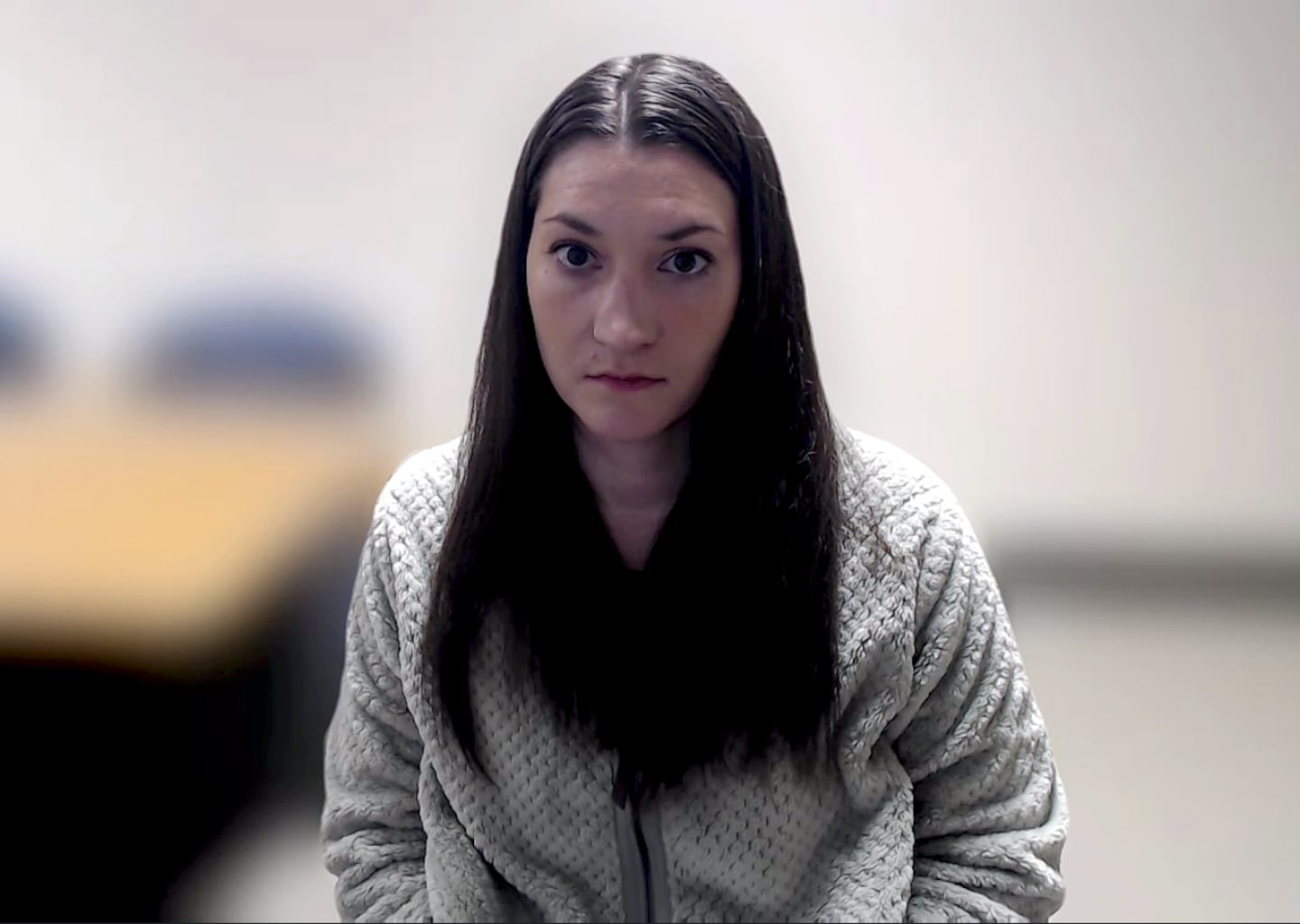
Plymouth Superior Court Judge William F. Sullivan on Monday set March 29, 2027, as the start of a second trial for Lindsay Clancy, the Duxbury woman charged in the 2023 deaths of her three children. The date, reported by the Associated Press, the Boston Globe, CBS News and Courthouse News Service, is more than four years after the children were killed and a year and a half after the first jury was discharged.
Clancy, 36, was tried this year on charges that she killed her three children in their Duxbury home on Jan. 24, 2023. The defense argued she was in the grip of postpartum psychosis and depression and was not criminally responsible. Prosecutors argued the killings were planned. The first trial ended on Sept. 4 in a mistrial after seven days of deliberation. The BBC, among other outlets, reported that the jury had split 11 to 1 in favor of finding her not criminally responsible. That reported split is not a verdict. It is an account of a hung jury.
The children's names are omitted here. They were minors and victims, and this account does not repeat them. The public record of the first trial is already extensive. The question now is what a second jury will be asked to decide, and on what charge.
That second question is less settled in the public reporting than the date is. Reuters and the New York Post reported that prosecutors would retry the same first-degree murder charges. CBS News Boston headlined the Monday hearing as a retrial on first-degree murder charges. In court, according to accounts in USA Today and WPRI, Assistant District Attorney Jennifer Sprague did not directly pronounce the words 'first-degree murder.' She said the charges require a jury trial. Defense attorney Kevin Reddington said in court that he takes the request for a jury to mean a first-degree murder retrial. District Attorney Timothy Cruz did not speak at the hearing, according to those accounts.
Those are not the same statements. A headline that says the retrial is on first-degree murder may be a fair reading of the case as it has always been pled. It is not the same thing as a prosecutor standing up in court and saying so, on the record, on Monday. Until the Commonwealth files or restates the charging document in a way the public can read, the safer description is the one the assistant district attorney actually used: the charges, whatever they are, require a jury.
The defense has other work pending. Sullivan on Nov. 9 denied a motion to dismiss on double-jeopardy grounds, and reporting on the Monday hearing said the defense has discussed an appeal of that denial to the Supreme Judicial Court. A plea agreement remains theoretically possible. None of those paths is a finding. They are the remaining exits before a second jury is seated.
The schedule itself has a further complication that reporters at the hearing noted: the trial is set to begin on a date after which the presiding judge's time on the bench may be limited. Accounts of the hearing described a court calendar in which Sullivan would be gone a few months after a March start, a fact that, if accurate, would put a long murder retrial on a clock that is not only the jury's. This account does not treat that as a settled personnel fact without an official court or court-administration notice. It is flagged here because it was raised around the date that was set.
A retrial after an 11-1 reported split is unusual in the public mind and ordinary in the law. A hung jury is not an acquittal. The Commonwealth may try the case again. The defense may argue that trying it again, especially on the most serious charge, asks a second jury to do what a first jury almost refused to do. Both things can be true. The legal standard remains the same: proof beyond a reasonable doubt, or a finding that the defendant was not criminally responsible.
The next announced court date in the reporting is Dec. 30. Between now and March, the public is entitled to a clear charging document, a clear statement of whether an SJC appeal will be pursued, and a clear assignment of a judge who will actually try the case. Monday supplied a date. It did not supply all of those answers.
Sources
- Associated Press: Lindsay Clancy to face March retrial in deaths of her 3 children (opens in a new tab)
- Boston Globe: Lindsay Clancy retrial date set for March (opens in a new tab)
- CBS News Boston: Lindsay Clancy to be retried on first-degree murder charges in March (opens in a new tab)
- Courthouse News Service: Judge sets 2027 date for Lindsay Clancy murder retrial (opens in a new tab)
- NPR: Lindsay Clancy to face a new trial in spring of 2027 (opens in a new tab)