Federal Judge Dismisses Smuggling Case Against Harvard Researcher Kseniia Petrova After Prosecutors Drop It
U.S. Attorney Leah Foley said the cost of continuing outweighed the public interest. Two judges had found Petrova entitled to evidence on whether she was vindictively prosecuted.
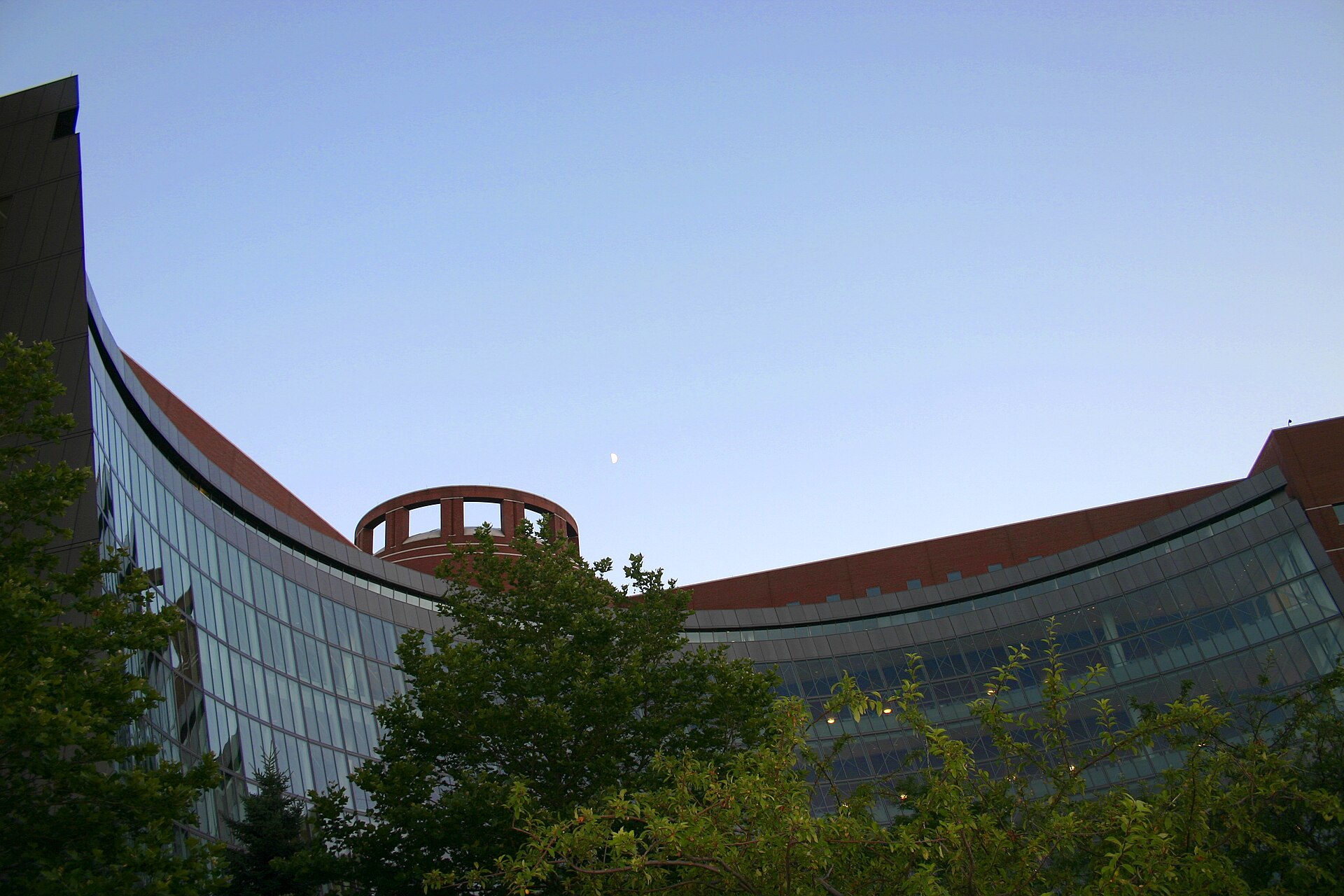
U.S. District Judge Leo T. Sorokin on Wednesday dismissed the criminal indictment against Kseniia Petrova, the Russian-born Harvard Medical School researcher charged with smuggling frog embryo samples through Logan Airport, Cambridge Day reported. Prosecutors had asked for the dismissal Tuesday evening.
Petrova arrived at Logan from France on Feb. 16, 2025, with inert samples of clawed frog embryos in her checked luggage. Her visa was canceled, a move a court later found illegal, and she was held in immigration detention in Vermont and Louisiana for three months. In May 2025 she was indicted on smuggling charges over the undeclared samples.
Why the government stopped
U.S. Attorney Leah B. Foley wrote that continuing "would divert significant time and attention from more substantial federal interests" and that "the resource costs of continuing this prosecution outweigh the public interest in its resolution," according to Cambridge Day. Foley had released a video announcing the indictment in 2025, which Cambridge Day called a very unusual step.
The request followed two rulings in Petrova's favor. In April, Magistrate Judge Judith G. Dein found Petrova entitled to discovery on selective and vindictive prosecution, writing that her "status as a Harvard researcher played a significant part in the manner in which her case was handled." Dein noted Customs and Border Protection had never before charged someone in her circumstances with a felony. Sorokin upheld that ruling Oct. 8.
Reaction
"The DOJ never should have brought this highly unusual 'smuggling' prosecution," said Bill Fick, her defense attorney. Marc Kirschner, the Harvard Medical School professor whose lab employs her, called the news "Terrific!"
Cases still open
Petrova still has no lawful immigration status, said her immigration attorney, Gregory Romanovsky. Her asylum hearing is set for September 2027. She is also suing over the denial of an extraordinary-ability immigrant petition, and plans a Federal Tort Claims Act suit and a Freedom of Information Act suit. Last week Romanovsky asked a Vermont federal court for $245,000 in fees after she won her habeas case there.
Additional reporting
Kseniaa Petrova at the Kirschner Lab at Harvard Medical School. Credit: Natalia Orlovsky District Judge Leo T. Sorokin Wednesday dismissed a criminal indictment against Kseniia Petrova, acting on a request Tuesday evening from District of Massachusetts prosecutors. Petrova, a Russian-born Harvard Medical School researcher, was held in immigration custody for three months last year before being charged with criminal smuggling.
The smuggling accusation was set in motion Feb. 16, 2025, when Petrova arrived at Logan Airport on a flight from France with inert biological samples of clawed frog embryos in her checked luggage. The samples were found, her visa was illegally canceled (so a court found), and she was shipped to immigration detention — first in Vermont, where her lawyers filed a habeas corpus petition, and subsequently in Louisiana. In May 2025, when it seemed likely that a Vermont federal court was set to order her release from immigration custody, Petrova was indicted on criminal smuggling charges — because, the government said, she did not declare the embryo samples to customs — and transferred to criminal custody in Massachusetts. She has been out on criminal bail since June 12, 2025.
Reached Tuesday night, Marc Kirschner, the Harvard Medical School professor whose lab employs Petrova, called the news “Terrific!” He said, “She’s really a wonderful, wonderful person, and of course she didn’t deserve all that garbage that she got.” The dismissal request comes after a pair of favorable rulings in her criminal case where two judges found that Petrova is entitled to discovery into whether the government selectively and vindictively prosecuted her.
The first was in April, when Magistrate Judge Judith G. Dein wrote in an opinion that “It appears clear that Ms. Petrova’s status as a Harvard researcher played a significant part in the manner in which her case was handled, and that the government was cognizant of, and sensitive to, the publicity surrounding her detention.”
Dein ruled that Petrova had provided evidence she was only targeted by the government because she held a J-1 visa and was studying at Harvard. Dein also noted Customs and Border Protection had never previously charged someone in her circumstances with a felony, “much less stripped (them) of their visa.”
The government appealed on May 4. Sorokin denied the appeal on Oct. 8, saying “Judge Dein’s decision was neither contrary to law nor clearly erroneous.” The case was set for a status conference to determine next steps at the end of November. Leah B. Foley, the sitting U.S. Attorney for the District of Massachusetts who signed Tuesday night’s filing, wrote that continuing the litigation against Petrova “would divert significant time and attention from more substantial federal interests” and that “the resource costs of continuing this prosecution outweigh the public interest in its resolution.”
What is still unknown
It is not known whether records produced in discovery will become public now that the case is closed.