Judge Dismisses DOJ Suit for Harvard Admissions Records — Without Prejudice
U.S. District Judge Myong J. Joun ruled the government failed required pre-suit steps. The Justice Department says it will refile.
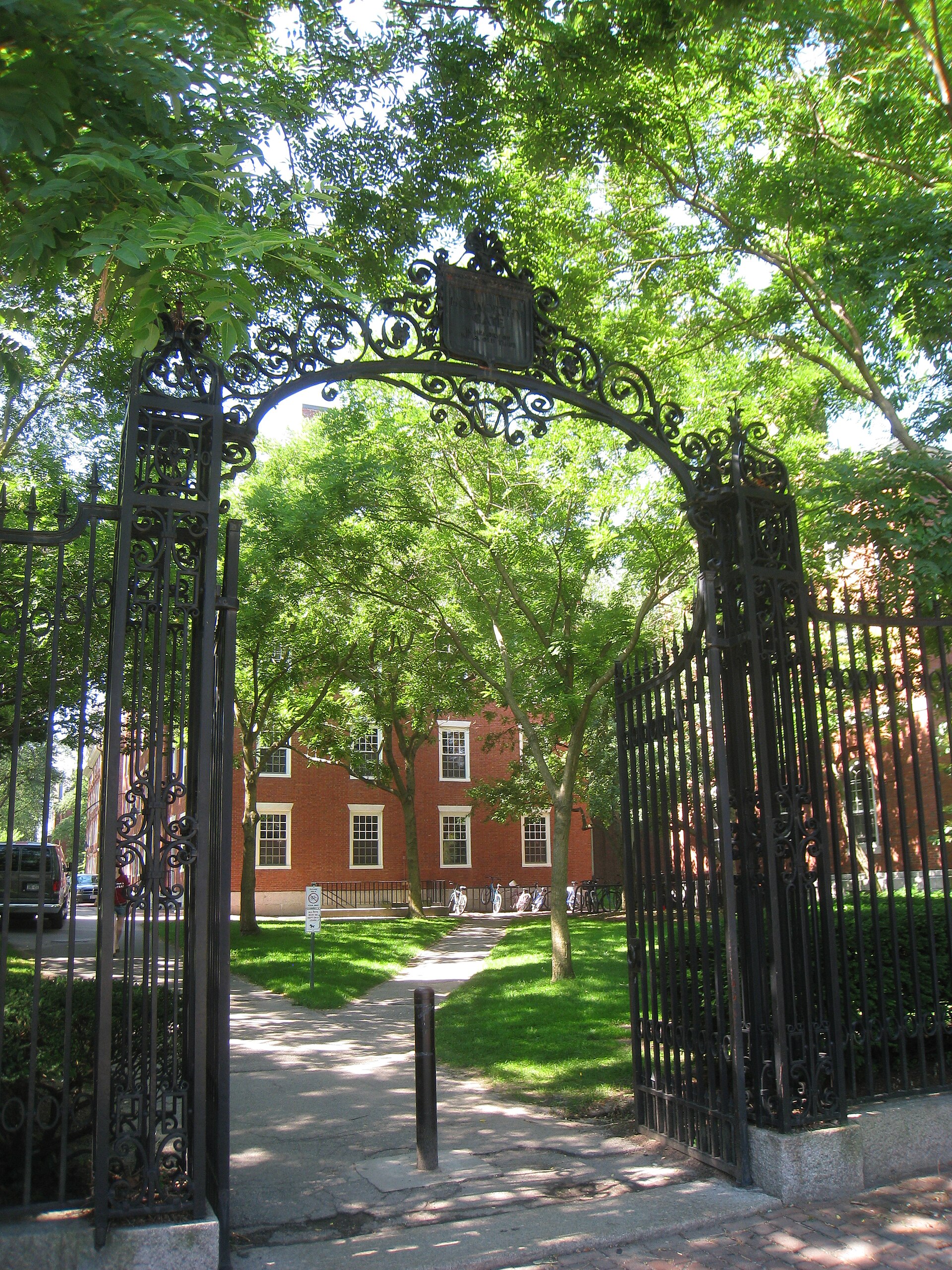
BOSTON — U.S. District Judge Myong J. Joun dismissed the Trump administration's lawsuit seeking Harvard applicant-level admissions records on Nov. 2, finding the government had not adequately shown it completed voluntary-compliance steps required before judicial enforcement. The dismissal is without prejudice; a DOJ spokesperson told Inside Higher Ed the government will refile.
The suit, filed Feb. 13, sought five academic years of applicant-level data from Harvard College, the Medical School and the Law School to probe Title VI compliance after Students for Fair Admissions v. Harvard. Harvard produced about 2,300 pages that the government said were not the applicant-level records demanded.
What the ruling decides — and does not
Joun's 10-page memorandum says the ruling does not determine whether Harvard discriminated, whether agencies may lawfully seek appropriately defined applicant-level data, or whether Harvard must ultimately produce it. He found the complaint did not allege DOJ informed Harvard it would sue or identify the specific failure in the manner regulations require.
The Crimson and AP covered the procedural win for Harvard. A separate multistate suit over student-records demands remains pending.
What is still unknown
When DOJ refiles, whether cured notices satisfy Joun, and what any eventual production would show.
Public records and contemporaneous reporting remain the basis for every figure and quotation in this account; where officials have not yet released a name, motive, vote tally or investigative finding, that gap is stated plainly.
Boston Uncut will update the story when primary agencies publish additional statements, dockets, agendas or certified results that change the factual picture.
Readers can follow the linked sources for underlying documents and full quotations. Allegations in complaints, campaign statements or activist materials are labeled as such and are not presented as findings.
Background and historical comparisons appear only when they illuminate the present dispute; they are not evidence about unresolved facts in the current case.
Where multiple outlets reported the same event, this account prefers figures and quotations that appear in more than one independent source, and notes remaining disagreements.
Official agendas, court dockets, agency releases and on-the-record interviews are treated as primary; secondary summaries are used to locate those records and are checked against them when available.
Public records and contemporaneous reporting remain the basis for every figure and quotation in this account; where officials have not yet released a name, motive, vote tally or investigative finding, that gap is stated plainly.
Boston Uncut will update the story when primary agencies publish additional statements, dockets, agendas or certified results that change the factual picture.
Readers can follow the linked sources for underlying documents and full quotations. Allegations in complaints, campaign statements or activist materials are labeled as such and are not presented as findings.