MIT's J-PAL Launches a Program to Teach 20 Early-Career Researchers How to Run Randomized Trials on U.S. Poverty
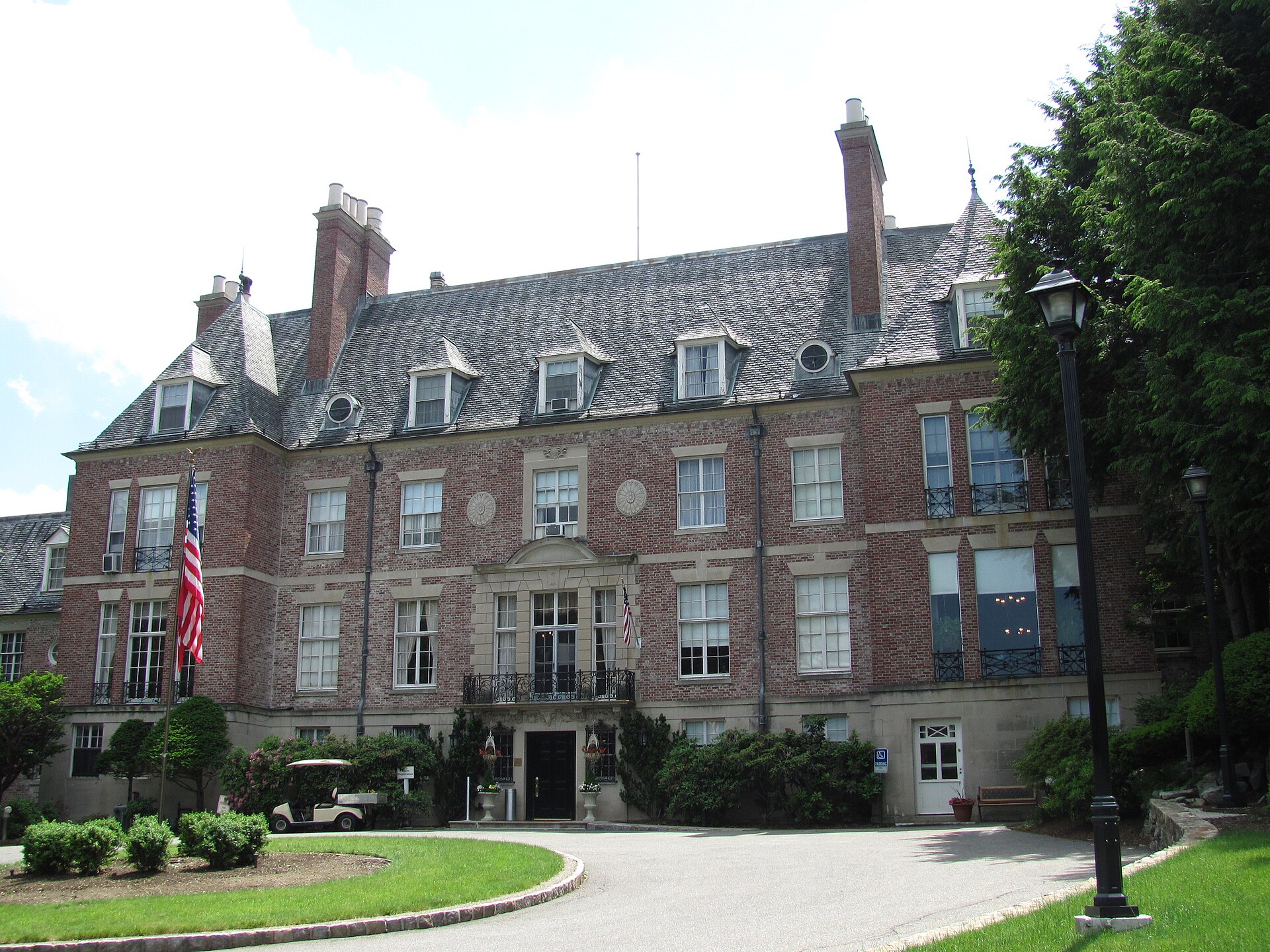
ARTEMIS started with a weeklong institute at MIT Endicott House in Dedham and runs through December. Participants range from PhD students to pre-tenure faculty. It is funded by Arnold Ventures, the Russell Sage Foundation and the Sloan Foundation.
J-PAL North America, the MIT-based research center that promotes randomized evaluations of anti-poverty programs, has launched a fully funded program to train early-career researchers to design and win funding for those studies in the United States, MIT News reported Friday.
The program is called ARTEMIS, short for Applied Research Training in Evaluation, Methods, and Impact Studies. Its first cohort has 20 participants, from PhD students to pre-tenure faculty, who are receiving training, mentorship and help developing research proposals through December, according to the announcement.
Randomized evaluations, also called randomized controlled trials or RCTs, assign people at random to receive a program or not, so researchers can measure its effect. They are common in medicine and have become a major tool in economics for testing anti-poverty policies, but they are expensive and complicated to run, and the program is meant to lower those barriers.
ARTEMIS began in June with a weeklong Summer Institute at MIT Endicott House in Dedham, focused on technical content and practical skills for designing and funding evaluations, the announcement says. Lecturers included Gerald Daniels, an associate professor of economics at Howard University.
"ARTEMIS is an amazing program that bridges the gap for researchers who haven't previously had the opportunity to work with randomized evaluations," Daniels said. "It takes rigorous methodologies, like randomized evaluations, and makes them approachable, helping scholars translate their research ideas into high-impact evaluation designs."
Participants came from institutions across the country, each with a research question about poverty suited to a randomized evaluation. Their topics span education, climate, health and labor markets, racial equity and social protection, according to J-PAL.
After the summer institute, participants entered six months of continued support: proposal webinars with J-PAL grants staff, office hours with senior technical staff on study design, a research design workshop where they present early-stage designs for feedback, and introductions to researchers in the J-PAL network with shared interests.
Participants described the training as making the method feel reachable. "I initially thought the randomized evaluation methodology would be out of reach for me, but the summer training helped to break down the practical steps of conducting an RCT and identify creative ways to approach experimental designs," said Felipe Juan, a member of the first cohort.
Hoyoung Yoo, another participant, said the lectures, workshops and feedback "helped me sharpen my research questions and think more carefully about research design, implementation, statistical power, and meaningful stakeholder engagement." Yoo added, "I left the training with a clearer path toward transforming an early-stage idea into a feasible, rigorous, and policy-relevant evaluation."
Tessie Krishna said the support had continued well beyond the summer. "J-PAL North America's support has continued well beyond the Summer Institute, which has been especially valuable, and the connections I made have already started shaping how I am approaching the work," she said. "I left with a clearer proposal, a wider network, and a real sense of belonging in the J-PAL community," she said.
ARTEMIS is the newest part of J-PAL North America's Economics Pathways program, which supports aspiring economists at every stage, from undergraduate interns to research staff and now academic researchers preparing their first randomized evaluations. The goal, according to J-PAL, is to broaden the pipeline of researchers who can produce rigorous evidence for policy.
The program is funded by grants from Arnold Ventures, the Russell Sage Foundation and the Alfred P. Sloan Foundation. J-PAL, the Abdul Latif Jameel Poverty Action Lab, was co-founded at MIT; its global network of affiliated researchers runs randomized evaluations around the world.
The announcement did not list participants' home institutions in full or say how many proposals the program expects to be funded, and it did not say whether J-PAL itself will fund any of the resulting studies.
J-PAL describes the program as part of its mission to reduce poverty by making sure policy is informed by rigorous scientific evidence, and says every researcher trained through ARTEMIS joins a growing network working on those questions.
For Massachusetts readers, the program's local footprint is the Endicott House training in Dedham and the J-PAL North America office at MIT in Cambridge.
Still unknown: whether ARTEMIS will run a second cohort in 2027, how many of the first cohort's designs will become funded studies, and which U.S. programs they will evaluate.