Israel's Election Count Shows No Majority as Netanyahu's Bloc Trails 61 Seats and Arab Parties Gain
With about 70 percent of votes counted, partial results put Prime Minister Benjamin Netanyahu's bloc at 54 seats, Gadi Eisenkot's bloc at 47 and Arab parties at 19. Turnout was the fastest in nearly half a century.
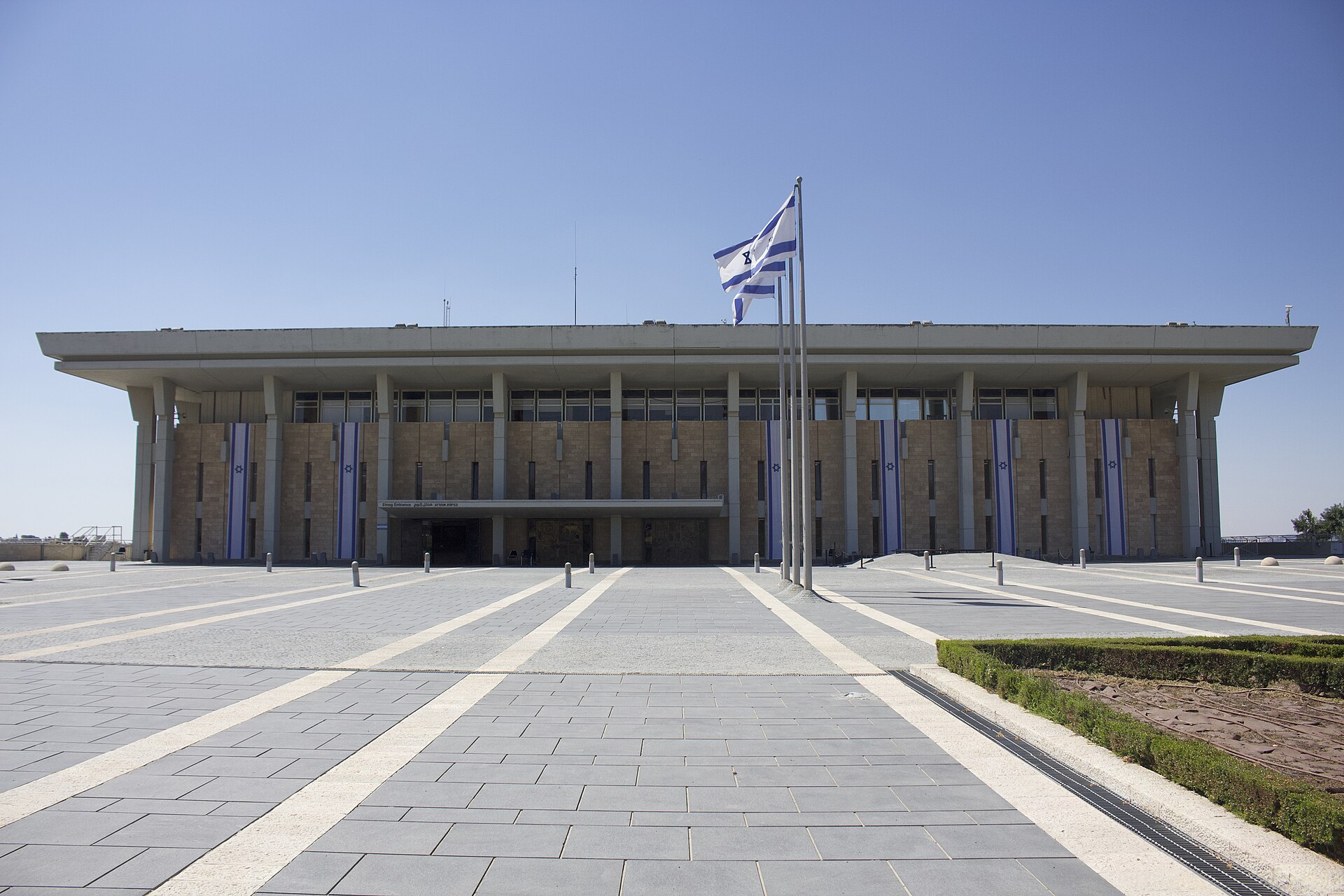
Partial results from Israel's parliamentary election on Tuesday showed no bloc with the 61 seats needed for a majority in the 120-member Knesset, setting up coalition negotiations that could take weeks, according to Ynet News, The Guardian and the Associated Press.
With 4,026,049 votes counted, about 70.7 percent of the total, Prime Minister Benjamin Netanyahu's bloc stood at 54 seats, the bloc led by former military chief Gadi Eisenkot at 47, and Arab parties at 19, Ynet reported. By party, Likud had 27 seats; Eisenkot's Yashar! 20; the Joint List 13; Yachad 11; Yisrael Beiteinu 8; the Democrats 8; United Torah Judaism 7; Shas 7; Otzma Yehudit 7; Religious Zionism and Zehut 6; and Ra'am 6.
The numbers moved through the night. In an earlier Ynet update, with about 51.8 percent counted, Netanyahu's bloc stood at 55, Eisenkot's at 49 and Arab parties at 16. The rise in Arab party seats between the two updates, from 16 to 19, came largely at the expense of the two main blocs, and the Guardian described exit polls as suggesting no clear winner. Final results are certified by Israel's Central Elections Committee, and seat projections can shift as the last votes, including soldiers' ballots, are counted.
The vote was the first since the Hamas-led attack of Oct. 7, 2023, and the wars that followed in Gaza, Lebanon and Iran. Reuters reported that Israelis voted at the fastest rate in nearly half a century, with long lines outside polling stations and voters describing the election as the most consequential in the country's history. Netanyahu's hold on power was the central question, with centrist rivals promising a new era, Reuters reported.
The Arab parties' showing creates an arithmetic problem for both sides. Eisenkot's bloc, at 47, would need the support of Arab parties to approach a majority, while Netanyahu's bloc, at 54, would need to add seven seats from outside it. The AP reported that Israel now faces coalition-building as Netanyahu tries to stay on.
Reuters' world summary on Tuesday carried an explainer noting that it might take time before clear results are known.
What remains unknown: the final seat totals, whether any party falls below the 3.25 percent electoral threshold as the count finishes, and which parties will commit to either bloc in coalition talks.
Sources
- Ynet News: 70.7% of Votes Counted: Netanyahu Bloc at 54 Seats, Eisenkot at 47 (opens in a new tab)
- Ynet News: With 2,950,493 Votes Counted: Netanyahu Bloc at 55 Seats, Eisenkot at 49 (opens in a new tab)
- The Guardian: Israel election results live (Oct. 28) (opens in a new tab)
- AP News: After election, Israel faces coalition-building as Netanyahu tries to stay on (opens in a new tab)
- Reuters via Devdiscourse: Reuters World News Summary (Oct. 27) (opens in a new tab)