The World Court Finds Myanmar Acted With 'Genocidal Intent' Against the Rohingya and Failed to Prevent Genocide
In a three-hour readout in The Hague, the International Court of Justice said Myanmar's forces killed some 10,000 Rohingya in 2017. The Gambia brought the case in 2019.
The International Court of Justice ruled Thursday that Myanmar acted with "genocidal intent" in military operations against the Rohingya in 2017 and violated its obligation to prevent genocide, according to Al Jazeera's account of the judgment delivered at the Peace Palace in The Hague. The court had announced on Nov. 3 that it would deliver its judgment at 10 a.m. Thursday, local time, in the case brought by The Gambia under the 1948 Genocide Convention.
Court President Yuji Iwasawa read the judgment over about three hours. He said evidence shows Myanmar's forces killed some 10,000 Rohingya. "The Court finds that Myanmar's security forces killed thousands of Rohingya civilians, perpetrated widespread acts of sexual violence as well as acts of extreme violence against children and attacked fleeing Rohingya as they sought to flee in large numbers to Bangladesh," Iwasawa said. The 2017 crackdown drove more than 730,000 mostly Muslim Rohingya into neighboring Bangladesh.
The court said the "only reasonable inference" from evidence of widespread atrocities by Myanmar's security forces is that they intended to destroy a "substantial part" of the Rohingya minority, Al Jazeera reported. That standard is central to genocide cases: the Genocide Convention requires proof of intent to destroy a protected group in whole or in part, and international courts have held that such intent can be inferred from a pattern of conduct only when it is the sole reasonable conclusion.
The court also found that Myanmar should have known of a risk of genocide when armed civilians took part in the military campaign. "Myanmar thus violated its obligation to prevent genocide," the court said.
The Gambia, a West African nation, filed the case in 2019, accusing Myanmar of seeking to destroy the Rohingya people. It asked the court to declare that Myanmar had breached the Genocide Convention, to order an end to illegal acts against the Rohingya and to ensure that those responsible are punished. UN Web TV listed the case as The Gambia v. Myanmar with 11 states intervening. Myanmar has argued that its 2017 operations were a response to attacks on police posts by fighters of the Arakan Rohingya Salvation Army.
The ruling binds the two states as parties to the case. The ICJ decides disputes between states and does not try individuals; criminal responsibility for individuals is a separate matter. The court does not have its own enforcement mechanism, and compliance with its judgments depends on the parties and, in some circumstances, the UN Security Council.
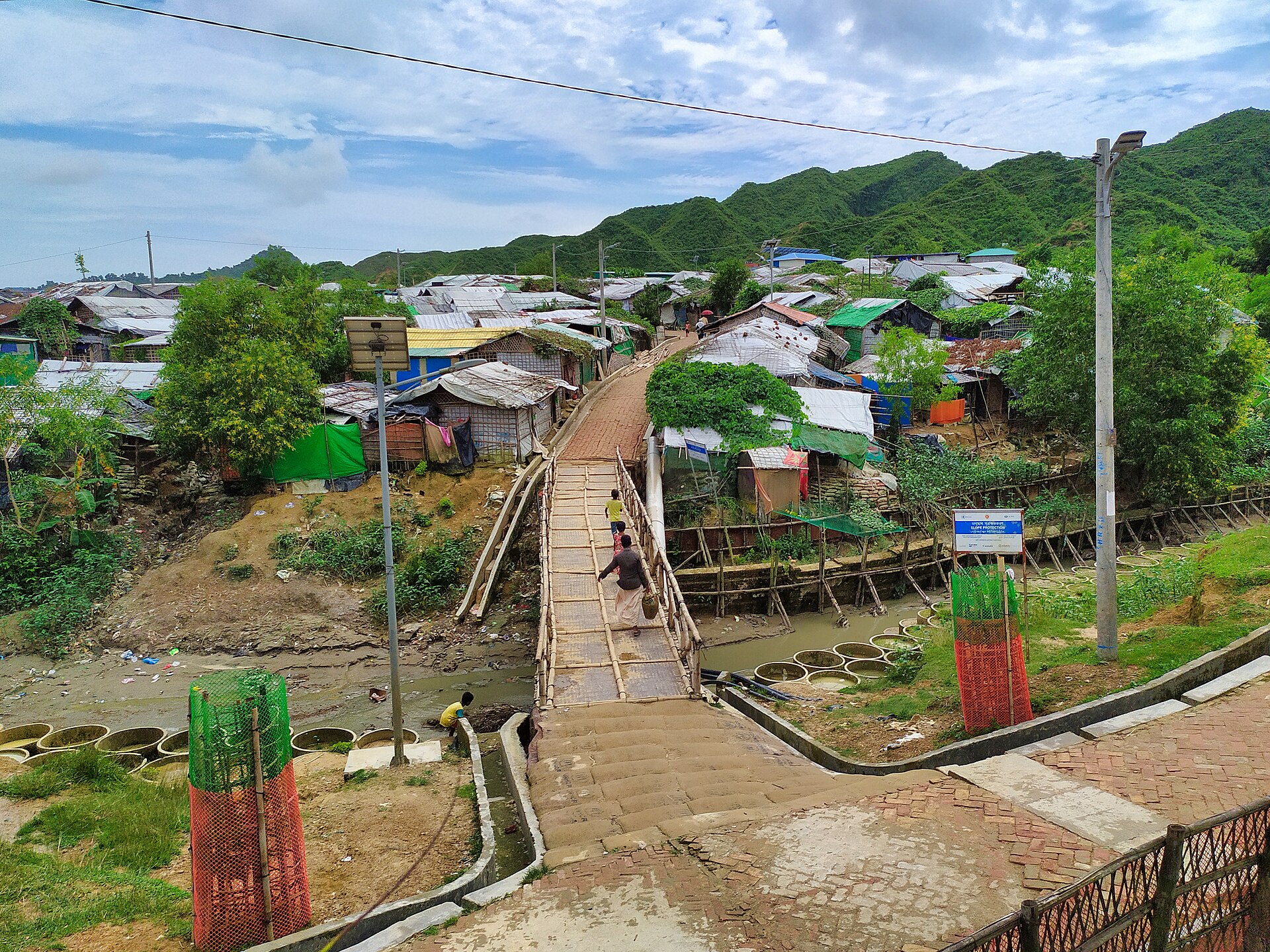
The human consequences of the 2017 campaign continue. More than 1.3 million Rohingya remain displaced across South and Southeast Asia, including 1.2 million in refugee camps in Cox's Bazar, Bangladesh, according to the United Nations. Conflict, shrinking humanitarian aid and dangerous sea crossings leave many vulnerable, Al Jazeera reported.
The full text of the judgment, including the court's vote counts on each finding and any remedies it ordered, is expected to be posted on the court's case page. Those details, and Myanmar's formal response, will determine what the ruling requires in practice.
Sources
- Al Jazeera: UN top court convicts Myanmar of 'genocidal intent' against Rohingya (Nov. 19, 2026) (opens in a new tab)
- International Court of Justice: The Court to deliver its Judgment on Thursday 19 November 2026 (press release) (opens in a new tab)
- International Court of Justice: Case 178 press releases (opens in a new tab)
- UN Web TV: ICJ delivers its Judgment in The Gambia v. Myanmar (opens in a new tab)