Harvard Youth Poll: Democrats Lead by 37 Points Among Likely Young Voters as Optimism Hits Record Low
The Institute of Politics survey of 2,024 Americans ages 18 to 29 found 9 percent think the country is headed in the right direction, and for the first time more expect to fall behind their parents financially than to surpass them.
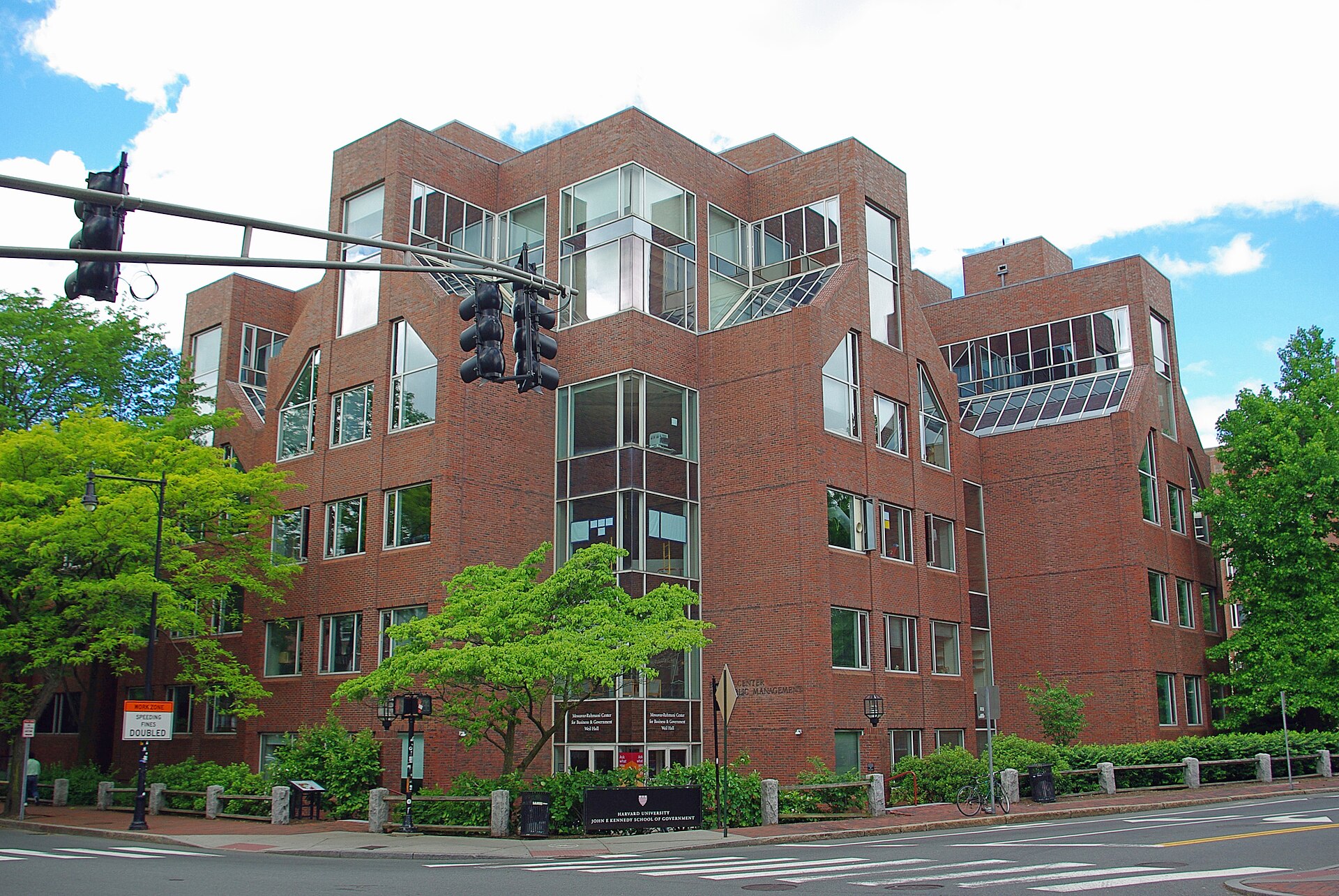
Democrats lead Republicans by 37 percentage points among young Americans who say they will definitely vote in next month's midterm elections, according to the fall 2026 Harvard Youth Poll, released Thursday by the Harvard Public Opinion Project at the Kennedy School's Institute of Politics, The Harvard Crimson reported.
The poll surveyed 2,024 Americans ages 18 to 29 from Sept. 30 to Oct. 7. It is the 53rd edition of the twice-yearly survey, which has tracked young Americans' political attitudes since 2000.
Among likely young voters, Democrats led Republicans 63 percent to 26 percent on the congressional ballot, with 10 percent undecided. Among registered young voters, the Democratic lead was 45 percent to 24 percent.
"Young voters are poised to deliver a sharp rebuke to President Trump, while the broader generation is sending a message to everyone in power," John Della Volpe, the institute's director of polling, wrote in a press release quoted by the Crimson.
Turnout intent is lower than in recent midterm cycles. Thirty-three percent of respondents said they will definitely vote in November, down from 40 percent ahead of both the 2018 and 2022 midterms. The enthusiasm gap between the parties widened: 50 percent of young Democrats said they will definitely vote, compared with 34 percent of young Republicans. That 16-point gap was five points in 2022.
Opposition to the president appears to be a significant motivator. Sixty-three percent of likely voters described their vote as opposition to Trump and his policies, while 14 percent described it as support. Seventy-seven percent of young Americans said they disapprove of Trump's handling of the economy.
Cost of living and government corruption topped the list of concerns. Among registered young voters who said they had at least a 50-50 chance of voting, 91 percent identified the cost of living as important to their vote and 88 percent cited government corruption.
The survey recorded the lowest level of optimism in its history. Nine percent of respondents said the country is headed in the right direction. Nearly two-thirds said it is on the wrong track, and 69 percent said they feel more fearful than hopeful about the country's future.
The economic findings were stark. Nearly half of respondents said their personal financial situation had worsened since Trump took office. Twenty-five percent said they expect to be better off financially than their parents, while 27 percent expect to be worse off. The Crimson reported that it is the first time the poll has found young Americans more likely to anticipate falling behind their parents than surpassing them.
Artificial intelligence registered as an economic threat. Sixty-four percent said AI replacing jobs poses a serious threat to their long-term financial security, and 68 percent identified the power of large corporations as a serious threat.
Majorities supported several proposals associated with the progressive wing of the Democratic Party. Fifty-seven percent supported Medicare for All, and 54 percent favored a 2 percent annual tax on household wealth above $50 million. Support extended into the Republican sample: 39 percent of young Republicans backed Medicare for All and 42 percent backed the wealth tax.
Half of respondents supported ending U.S. military aid to Israel, while 19 percent opposed it. On abortion, deportation and transgender student athletes, views split along party lines, with gaps of at least 45 percentage points between Democrats and Republicans.
Confidence in the election itself was limited. Thirty-four percent said they trust that the 2026 midterms will be conducted fairly and accurately; 40 percent expressed little or no trust.
Sophia J. Robertson, a Harvard College junior who chairs the student-run polling project, said the results reflect economic anxiety and distrust of institutions. "As they feel current policies fall short, young people are turning towards populist economic ideas and candidates who actively respond to the crises they face," she wrote in the release.
The findings land as campuses in the Boston area ramp up voter outreach before Election Day on Nov. 3. At Tufts, the student group JumboVote and the Tisch College of Civic Life are running weekly tabling and mail-ballot help, The Tufts Daily reported.
The Institute of Politics publishes past and current poll results on its website. The Crimson's report did not include a margin of error.
Sources
- The Harvard Crimson: Democratic Youth Vote Dominates Midterm Predictions, Harvard Poll Finds (Oct. 22, 2026) (opens in a new tab)
- Institute of Politics at Harvard University: Harvard Youth Poll (opens in a new tab)
- The Tufts Daily: Tisch College, JumboVote help prepare students for midterm elections (opens in a new tab)