Harvard Graduate Workers Strike for the Second Time This Year as Two More Unions Authorize Walkouts
HGSU-UAW says 88 percent of 1,710 voters backed the strike after 38 bargaining sessions. Harvard's provost and executive vice president call it 'unwarranted.'
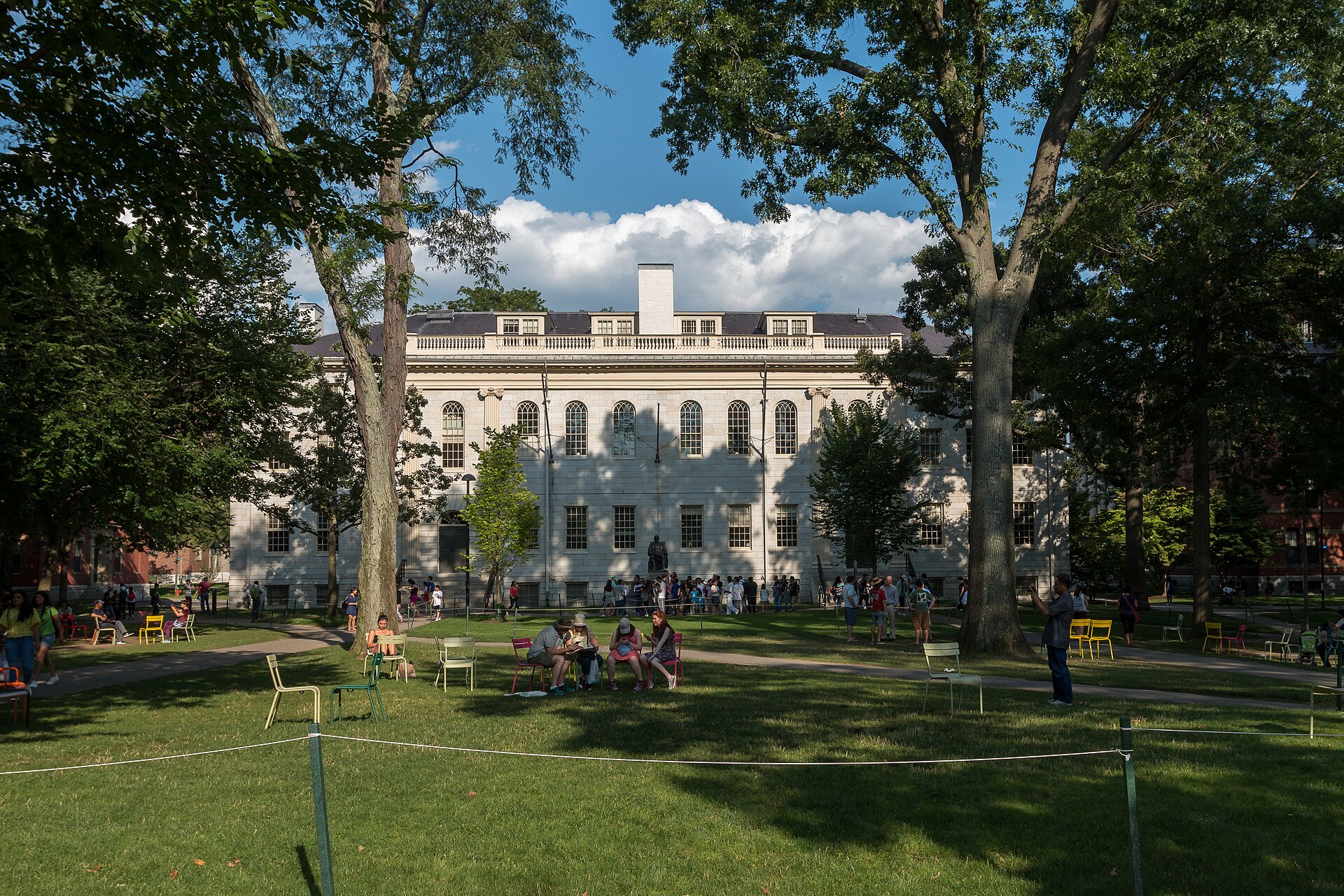
Graduate student workers at Harvard University began their second strike of the year on Tuesday after failing to reach a contract agreement, Cambridge Day reported. The walkout comes nearly five months after the same union ended a 40-day strike.
The Harvard Graduate Students Union-United Auto Workers Local 5118 said 1,710 of its more than 4,000 members voted over nine days in a strike authorization, with 88 percent in favor. The union said it has held 38 bargaining sessions over a year and a half.
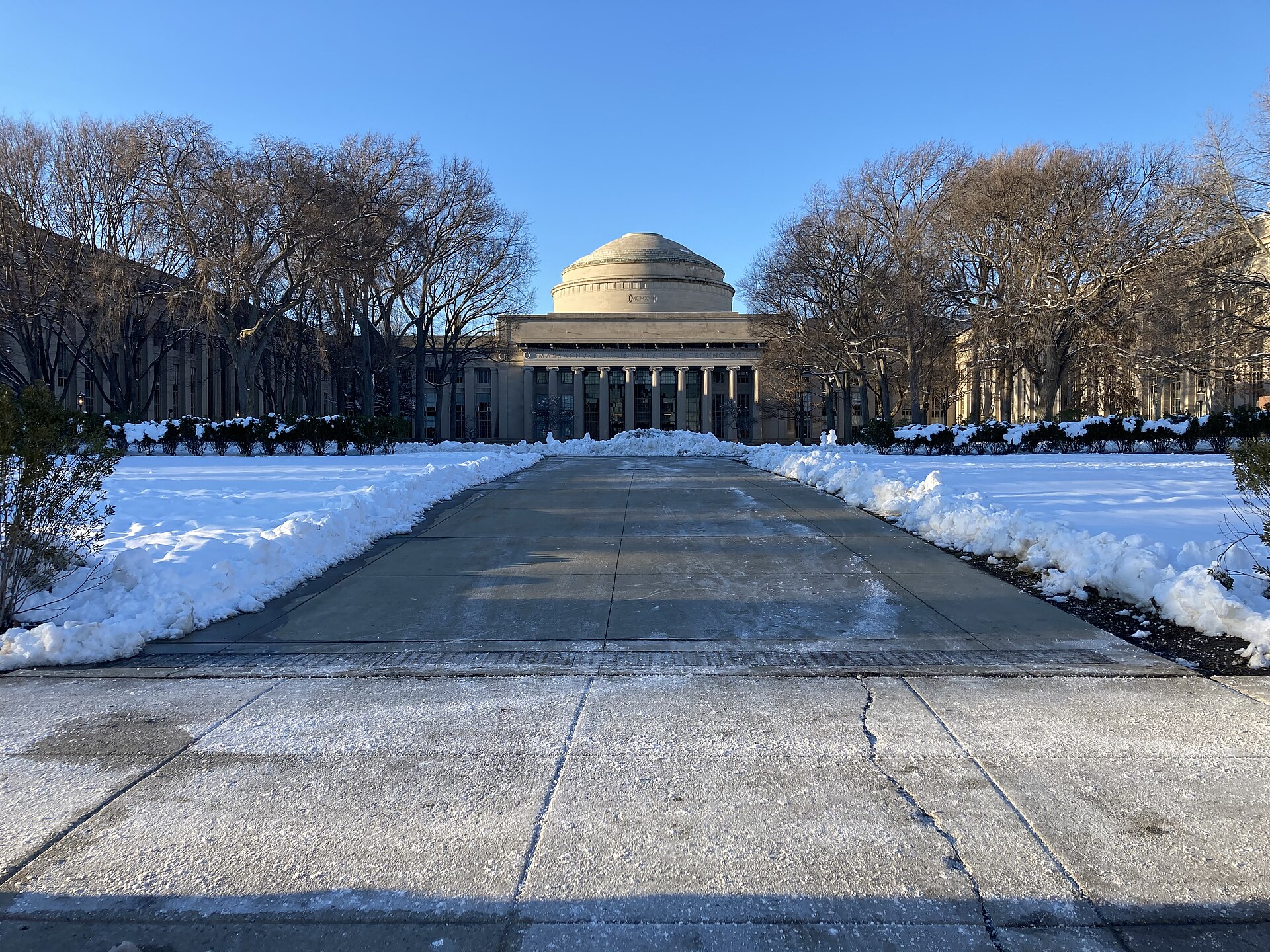
Its demands include third-party investigations of harassment and discrimination claims, protections for non-citizen and disabled workers, pay equity between research assistants and teaching fellows, and wages on par with peer institutions, including MIT and Brown University. The two sides agreed on seven contract articles over the summer, including changes to a transition support fund and paid leave. But the union says that since the fall semester began in September, administrators have "brought zero proposals to the table."
"A strike is no one's first choice and no one wants to be on strike, because we're all here with deep love and care for our teaching and research," said HGSU President Denish Jaswal. "However, I think that we're not seeing the progress that we need."
In a statement to the Harvard community on Monday, Provost John Manning and Executive Vice President Meredith Weenick called another strike "unwarranted." "Through both formal and informal engagements, the University has shown an unwavering commitment to reaching an agreement," they wrote.
Harvard faces more pressure this fall. Harvard Academic Workers-UAW, representing about 2,600 researchers, teachers and instructors, and UNITE HERE Local 26, representing about 580 food service workers, have both voted to authorize strikes. "Harvard has three strike threats this fall and it's because they're poorly negotiating with thousands of workers," Jaswal said, adding that members see the strike as pushing back against an administration "increasingly taking directives from top donors or corporate entities or its board."
Harvard has not said how it will cover sections taught by striking workers. It is not yet known how long the strike will last or when the next bargaining session is scheduled.