Harvard Has Formed a Faculty Committee to Design an Undergraduate Entrepreneurship Secondary for Fall 2027.
The first meeting was last week. The committee, convened by the dean of undergraduate education, has not been formally announced by the Faculty of Arts and Sciences.
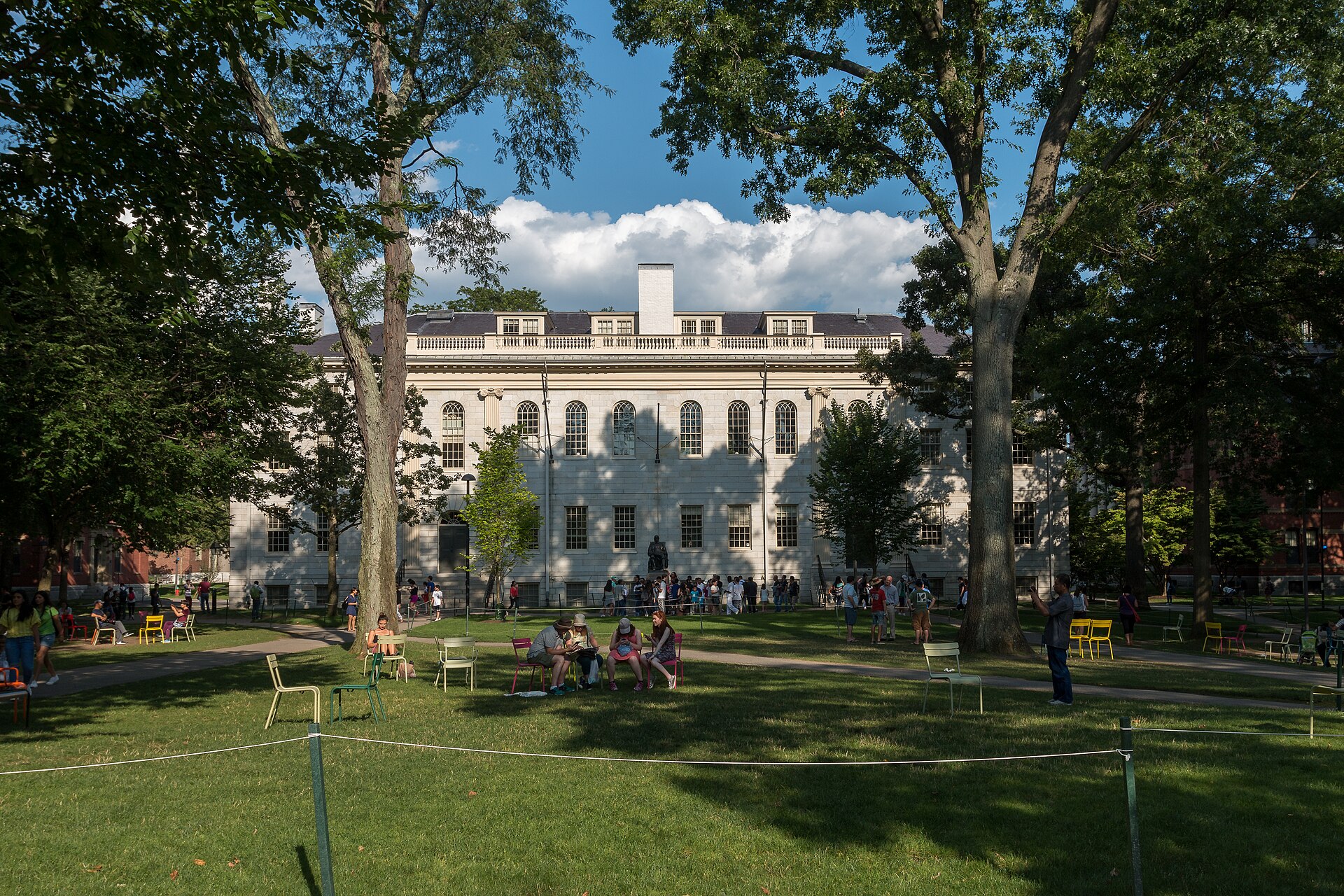
A Harvard faculty committee is drafting a plan for an undergraduate secondary field in Creativity, Innovation and Entrepreneurship, with a target launch of fall 2027, The Harvard Crimson reported Monday. Sam H. Magee, director of the Lemann Program in Entrepreneurship and Creativity, confirmed the effort in an interview and said he will serve on the committee in an advisory role. The plans, he said, are still preliminary. The committee met for the first time last week.
The group was convened by Amanda Claybaugh, the dean of undergraduate education. Its formation has not been announced publicly. A Faculty of Arts and Sciences spokesperson declined to comment, the Crimson reported. After the first meeting, Magee declined to describe the discussion in detail but said members were 'broadly aligned in their support of the secondary' and that the next steps were 'to build its profile and figure out some of the particulars.'
Harvard already offers entrepreneurship courses in FAS. They have not been organized into a single program. In the 2026-27 year, the Crimson counted six FAS courses explicitly aimed at teaching entrepreneurship to undergraduates, three of them broader introductions through Engineering Sciences and three more specialized, including a biotechnology business course and a 'tough tech' careers course. Harvard Business School professor Josh Lerner, who has taught undergraduate entrepreneurship courses he described as a 'labor of love,' said he hoped a minor would 'help institutionalize it.' He also said that, as an HBS professor, he would not design the secondary himself. 'I'm more than glad to design it for them. But they're the bosses. This is FAS, and I'm just a mere HBS person,' Lerner said.
The interest on campus is not theoretical. Lerner pointed to recent student-founded companies, including Etched, whose co-founders left Harvard, and said visible success 'in a way has also sort of a little bit lit a fire.' 'There's nothing like seeing somebody who's like yourself go out and start a company and close on a $20 billion financing round to say, maybe I should do this thing too,' he said. Graduate School of Education professor Fernando M. Reimers, who is not on the committee, said he worried about undergraduates who drop out to start companies, especially with new AI tools, and called that trend 'sad.' He also said the liberal arts tradition is 'capacious enough' to treat enterprise creation as a legitimate course of study.
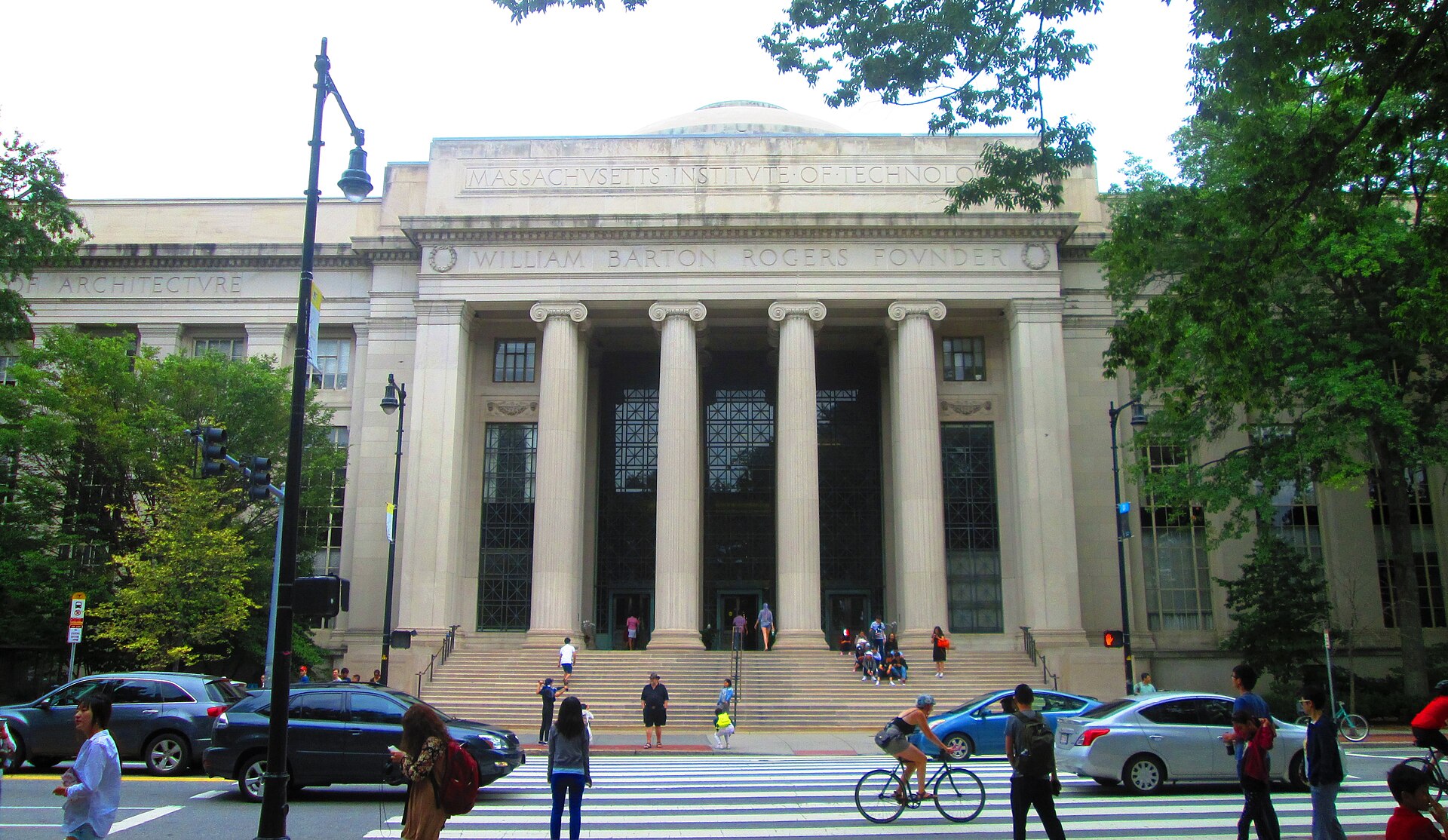
Magee wants the academic program to sit beside more co-curricular support, the work of actually helping a student venture after class ends. The Lemann program has already added accelerators, including an arts-focused one with the Office of Fine Arts this year. Magee said he would like an accelerator for every division, and that he has put the Lemann program forward as a possible 'cornerstone' of the new secondary, a decision he said is not his to make. Peer schools already have formal undergraduate structures: MIT has offered an Entrepreneurship and Innovation minor since 2016, and Stanford has had a center for entrepreneurial studies since 1996. Magee said Harvard's distinguishing rule, in the Lemann program, is that student ventures it supports must connect to the United Nations Sustainable Development Goals, 'a great check and balance' and 'our differentiator.'
A committee that has met once is not a program. Fall 2027 is a target, not a catalog listing. What the Crimson established is that the dean of undergraduate education has convened a group, that FAS intends to remain in charge, and that the people already teaching these courses want the work to stop depending on a labor of love. The particulars, Magee said, still have to be figured out.
If the secondary appears in the fall 2027 catalog, it will be because this committee turned a set of existing courses and a labor of love into a program the College is willing to put its name on. If it does not, the courses will still be there, and so will the student interest Lerner described. The committee has met once. Fall 2027 is 10 months away. That is enough time to design a secondary. It is also enough time to let the idea stall in the particulars Magee said still have to be figured out.