89% of Harvard Dining Workers Vote to Authorize a Strike, Raising Prospect of First Walkout Since 2016
HUDS workers have been without a contract since June 19. The union wants higher wages, cheaper health care and summer income, and points to Harvard's $68 billion endowment.
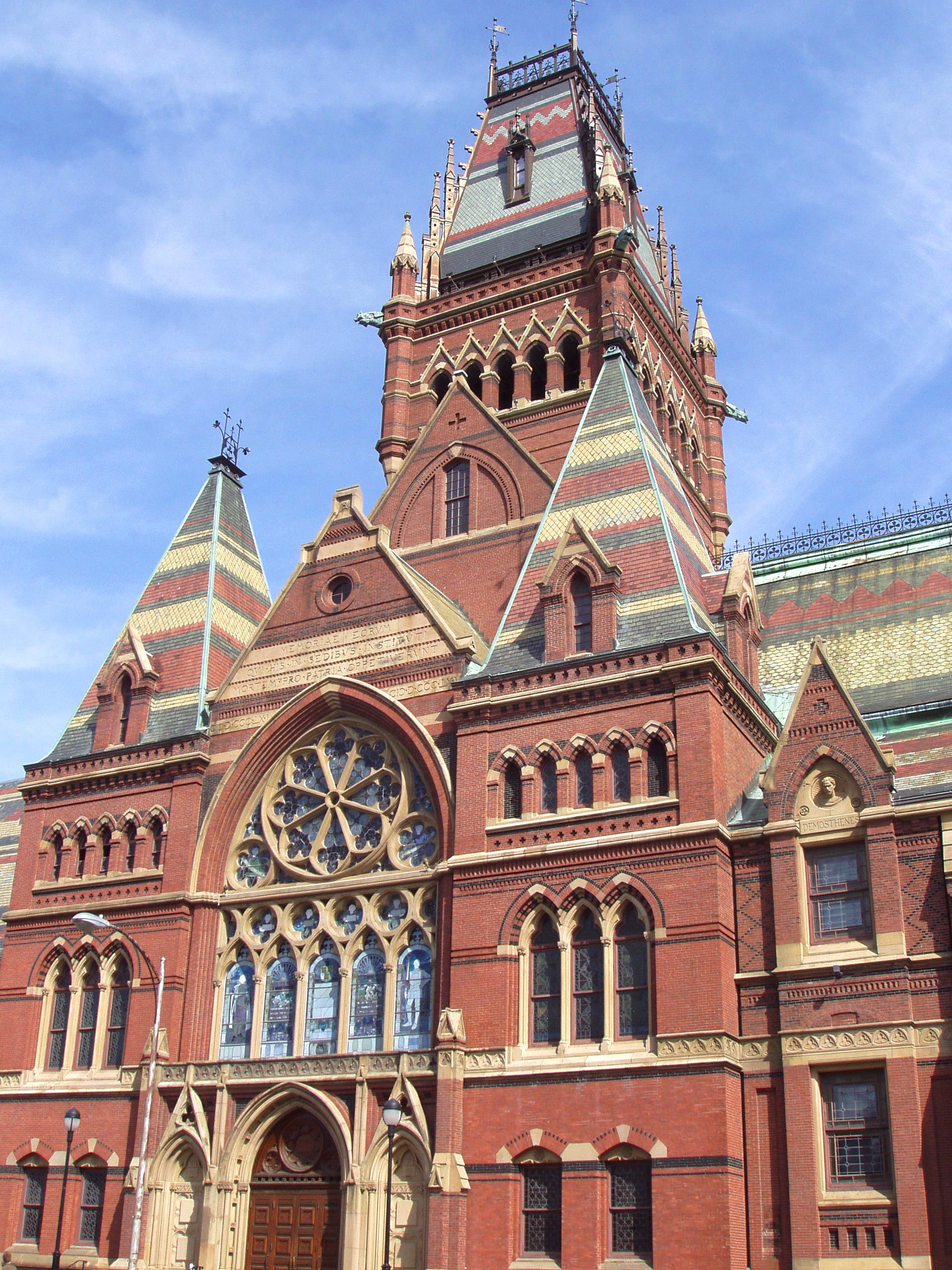
Harvard University Dining Services workers voted Tuesday to authorize a strike, clearing the way for what could be the first dining hall walkout at Harvard since 2016, The Harvard Crimson reported.
Eighty-nine percent of workers who cast ballots voted in favor. The tally was 548 for and 67 against, with two ballots spoiled, according to the union, UNITE HERE Local 26. Voting ran from Tuesday morning into the night.
The authorization allows the union's bargaining committee to call a strike at any time. It does not trigger an immediate walkout, and the union has not set a strike deadline, according to The Crimson.
Seven sessions, no contract
The vote follows seven bargaining sessions between Harvard and the union since talks opened in March. Dining workers have been without a contract since June 19, The Crimson reported.
The union has three main demands: higher wages, affordable health care and income during the summer, when many dining workers are out of work but cannot collect state unemployment benefits.
"Harvard is the world's leading University, but the wage scale of the workers here at HUDS has fallen behind the majority of other universities in this great city," Carlos R. Aramayo, president of UNITE HERE Local 26, said at a press conference announcing the results Tuesday night.
The union has pushed Harvard to match and exceed pay at neighboring universities, pointing to the University's endowment, which grew to $68 billion last fiscal year. "A university that has over 60 billion dollars in its endowment should do everything it possibly can to make sure all these folks who work hard to feed the students get paid not just what somebody at Lesley gets paid down the street, but frankly, more," Aramayo said.
Health care a sticking point
Health care costs have been a central dispute. At a September rally outside the Smith Campus Center, pantry steward Anabela Pappas said HUDS employees already pay more for coverage than dining workers at any other Boston university, and that Harvard's latest proposal would raise those costs further, according to The Crimson.
Aramayo said the union was considering a deadline. "I do think the clock is ticking a little bit here," he said. "Folks have been working without a contract now for the entire semester, and I think there's an impatience that we should be really getting to a serious conversation."
Students sign on
More than 1,000 Harvard College students signed a petition from the Student Labor Action Movement, a Phillips Brooks House Association program, calling on Harvard to reach a fair contract with dining workers, The Crimson reported.
Aramayo credited students with supporting the campaign. "I think they'll be integral in getting us to a settlement because of the unique relationship our members have to the students," he said.
Sean B. Merrill, a member of the Class of 2030 who spoke at the press conference, said students have an obligation to support the workers. "It's the golden rule," he said. "Do unto others as they do unto you."
The 2016 precedent
HUDS last went on strike in October 2016, when dining employees stayed off the job for 22 days. That walkout forced Harvard to close several dining halls, while the remaining halls ran on skeleton crews of managers, reassigned staff and temporary hires, according to The Crimson.
"Today, these workers are ready to do that again," Aramayo said. "They're ready to walk out again and to fight for again modest demands for what they need and what they deserve, fair wages, health care, and some way to get through the summer."
Harvard's financial position
The strike vote comes as Harvard reports tighter finances in other areas. The University spent approximately $210 million on legal costs in fiscal year 2026, a roughly 70% increase from the prior year, The Crimson reported in a separate story on Harvard's federal lobbying. Harvard cited the higher legal fees as a factor in a modest operating margin of 1.5% in its annual financial report, attributing it to "elevated legal costs along with other pressures that show little sign of abating."
Harvard's endowment returned 27.1% last fiscal year, among the highest of its peers, according to figures compiled by The Tech, MIT's student newspaper.
Harvard spent $200,000 on federal lobbying in the third quarter of 2026, according to disclosures released Monday, a slight decrease from $210,000 in the second quarter.
The Crimson's report did not include a statement from Harvard on the strike vote.
Sources
- The Harvard Crimson: 89 Percent of Harvard Dining Workers Authorize Strike, Paving Way for Walkout (Oct. 21) (opens in a new tab)
- The Harvard Crimson: Harvard Lobbied on Trump's Visa Cap as Federal Lobbying Spending Dips to $200,000 (Oct. 20) (opens in a new tab)
- The Tech: Amidst financial pressures, MIT's endowment rises in 2026 fiscal year (opens in a new tab)