France Says an Iranian Revolutionary Guard Cyber Unit Hijacked Fridges at About 700 Retail Sites. Prosecutors Want International Arrest Warrants.
The October sabotage hit Carrefour, Leclerc, Intermarché and butcher shops, caused about 20 fires and destroyed tens of millions of euros of food, French officials say. Paris will summon Iran's ambassador and seek EU sanctions.
PARIS — The French government on Monday formally blamed a cyber unit of Iran's Islamic Revolutionary Guard Corps for an October attack that took control of refrigeration systems at about 700 French retail sites, calling it the first large-scale cyberattack aimed at sabotage on French territory.
According to France's national cybersecurity agency, ANSSI, Iranian military hackers took over refrigeration controllers at retail sites from supermarkets to butcher shops, turning up temperatures in the middle of the night and spoiling millions of dollars' worth of food, NPR reported. The campaign was "unprecedented in both its scale and its level of aggression," Foreign Minister Jean-Noël Barrot said. "It constitutes a major attack on the nation's interests and the security of the French people."
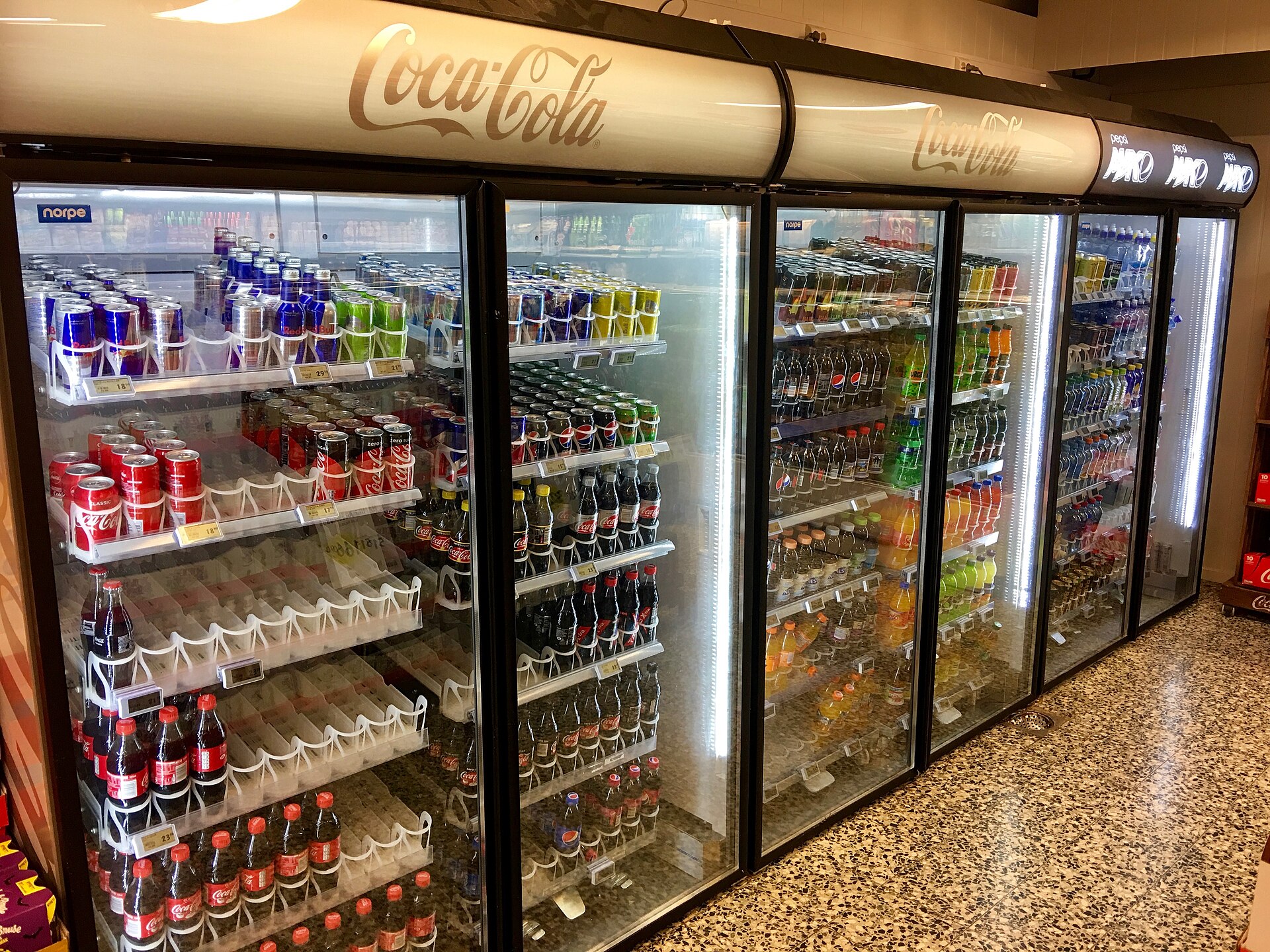
How the attack worked. The attackers broke into controllers on the night of Oct. 11 and changed defrost settings to high temperatures, The Hacker News reported, citing the government's findings. The Paris prosecutor's office said the attackers took remote control of Danfoss and Dixell refrigeration controllers through web interfaces, started abnormal defrost cycles with no time limit and switched off the temperature probes' safety alerts. The attack caused about 20 fires, the prosecutor's office said; the government's attribution statement said food losses ran to several tens of millions of euros.
Who was hit. Most victims were large retailers, including Casino, Leclerc, Coopérative U, Metro, Carrefour and Intermarché, according to a joint report by France's cyber crisis coordination center, known as C4. Small butcher shops, a slaughterhouse and cooperative food plants were also affected. The same campaign targeted Schneider Electric equipment at several small hydroelectric installations, with what ANSSI called "moderate effects."
The evidence. The C4, which includes ANSSI, the DGSE and DGSI intelligence services, the armament directorate and the cyber defense command, cited four indicators pointing to the IRGC and to a unit called Shahid Kaveh: infrastructure also used to scan Schneider Electric equipment with techniques the unit has used since at least April; use of the FOFA scanning tool; a report on the attack by CyberbanNews, a propaganda outlet linked to the unit, as early as Oct. 13; and traces of Persian in the attack infrastructure. Prosecutors said their investigation also found IP addresses leading to devices in Iran, according to The Hacker News. The unit is known mainly through hacktivist personas such as CyberAveng3rs and Cyber Isnaad Front, France says. Iran's government had not publicly responded to the attribution in the reports reviewed.
The response. The Paris prosecutor's office opened a judicial investigation against the unit's head, his two deputies and anyone else identified, and is "requesting the issuance of international arrest warrants," NPR reported. The offenses include illegally interfering with computer systems and causing damage by dangerous means, aggravated by the aim of serving a foreign power. The Foreign Ministry plans to summon Iran's ambassador and seek new European sanctions. On Tuesday, Barrot told Franceinfo the government was "not ruling anything out," including bans on entering European territory and asset freezes, CNBC reported.
A wider pattern. Hackers have targeted refrigeration controllers in Europe, Israel and the United States this year; grocery stores in Sweden and Ireland were hit last week, and a major French blood bank had to act quickly to protect samples when its refrigeration system was attacked, NPR reported. Over the summer, food spoiled at commissaries on U.S. military bases after refrigerator temperatures spiked overnight. France is the first government to formally assign blame for the wave.
Prior cases. France has previously attributed attacks on Charlie Hebdo in 2023 and on the Paris Olympics in 2024 to Iran-based actors, leading to sanctions in March 2026 against the Iranian company Emennet Pasargad, CNBC reported.