Flynn Seeks Council Hearing After Jury Hits Water and Sewer Commission With $400,000 in Punitive Damages
A Suffolk jury found the commission retaliated against longtime manager Terrance Williams. Councilor Ed Flynn's order invites the agency to testify; the commission says it fired Williams for 'double-dipping' and will appeal.
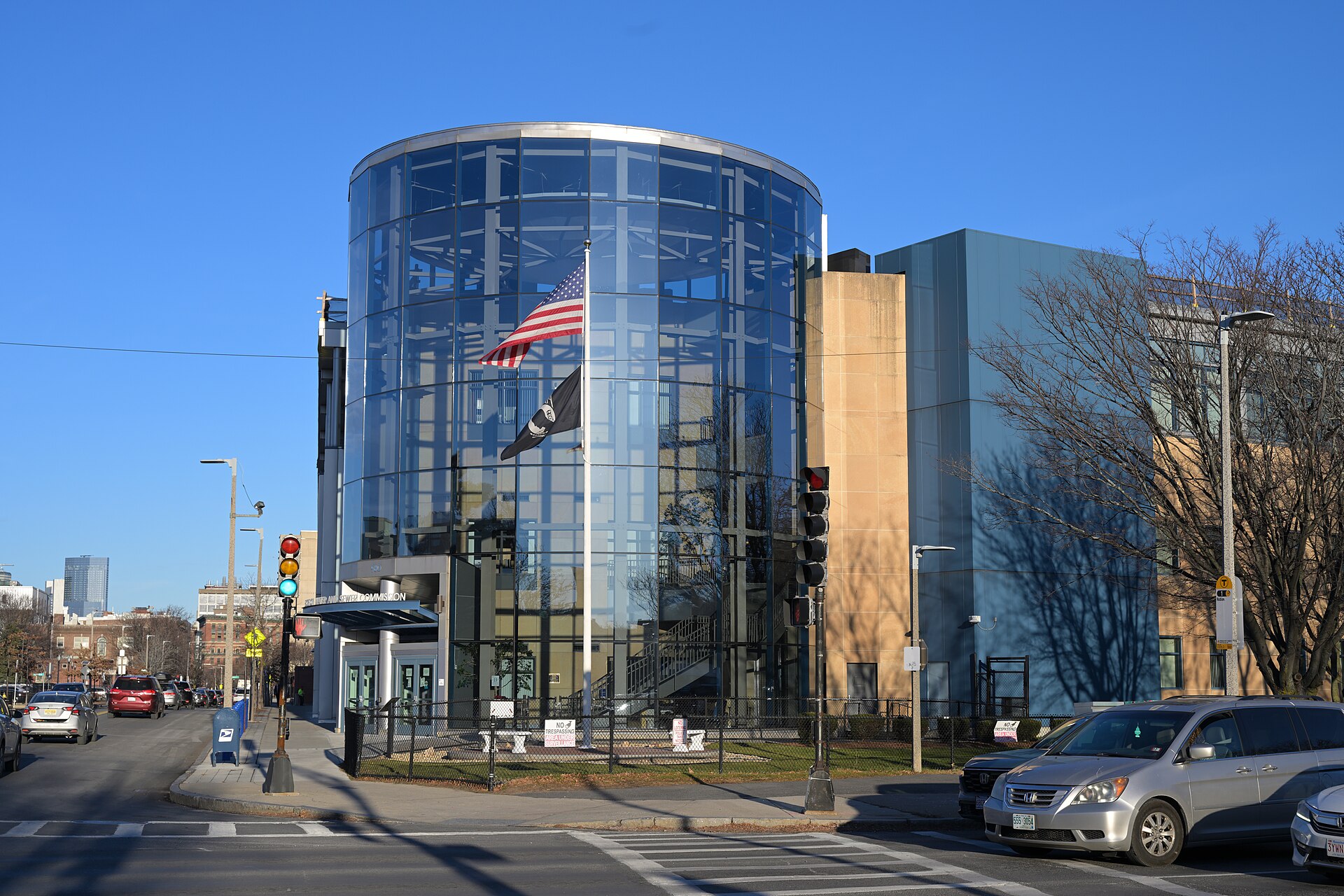
Boston City Councilor Edward M. Flynn has filed an order asking the council to hold a hearing on a Suffolk Superior Court jury verdict that found the Boston Water and Sewer Commission retaliated against a longtime Black manager, and to invite the commission to testify.
The order, Docket 2026-1964, was filed Oct. 21, 2026, and placed on that day's council agenda, according to council records. It notes that a Suffolk County jury "recently awarded $1 million to a former Boston Water and Sewer Commission employee following a civil lawsuit alleging discrimination and retaliation," including "$400,000 in punitive damages as a result of 'extreme and outrageous' retaliation."
"The Boston Water and Sewer Commission shall be invited to testify before the City Council to ensure that cases of discrimination and retaliation never happen again," the order states. It asks the appropriate committee to hold the hearing with the commission "and other interest parties" invited. The order says the case "raised serious concerns on racial disparities in compensation, promotion opportunities, and treatment of Black employees."
The commission provides drinking water and sewer services to more than 1 million people each day, Boston.com reported. A council hearing would allow members to question its officials in public.
The plaintiff is Terrance Williams, who began working at the commission on Sept. 18, 1988, and had been its manager of operations since March 17, 2017, according to his third amended complaint as summarized by the legal analysis site Mass Legal Resources. The case is Williams v. Boston Water and Sewer Commission, Suffolk Superior Court No. 2284CV00996. Williams filed a complaint with the Massachusetts Commission Against Discrimination in 2021, withdrew it in May 2022 to go to court and sued that year. The complaint also named the commission's executive director, Henry F. Vitale, as a defendant.
Williams' lawsuit accused the commission of a "longstanding practice of underpaying, undervaluing, and underpromoting its Black employees," Boston.com reported, and alleged he had been repeatedly passed over for promotions in favor of "less-qualified, less-experienced White coworkers." He further alleged that after he sued, the commission "deliberately marginalized" him in a "dead end" position before firing him on May 15, 2025.
The commission said it fired Williams after learning he was working part-time as a civil process server for the Suffolk County Sheriff's Department and had served papers while on the job and driving a commission vehicle, according to Boston.com. Williams argued that reason was "pretextual" and alleged that white coworkers were not fired for working second jobs during their shifts.
The jury returned its verdict on Oct. 15 after a trial of nearly three weeks and three days of deliberations, Mass Legal Resources reported, citing Universal Hub. According to Boston.com, the jury rejected Williams' claims that he was paid less and denied promotions because he is Black, but agreed that the commission retaliated against him for bringing the complaint. Jurors awarded $600,000 in actual damages and $400,000 in punitive damages, and interest of $320,100 brings the total to about $1.32 million. Mass Legal Resources said it had not seen the verdict form and could not say how the jury divided its findings among the counts.
"We're pleased that the racial discrimination claims were flatly rejected, and we think the retaliation verdict will not stand," Brian Kelly, a lawyer for the commission, told Boston.com. He said the commission plans to appeal. "He was terminated because he was caught double-dipping, which means he was working a second job at the sheriff's department while on his commission shift," Kelly said. "The commission thinks that's both wildly inappropriate and fraudulent, so it fired him."
Nick Carter, Williams' attorney, said in a statement that his client was targeted "because he stood up for the rights of Black workers and sued BWSC for discrimination." He told Boston.com: "The jury had lots of evidence of others at Boston Water and Sewer engaged in similar conduct [with part-time jobs], and they were not terminated."
Carter also called for outside scrutiny. "Mayor [Michelle] Wu and state leadership need to look closely at this public agency because it has a track record of race discrimination and this kind of retaliation should not be tolerated in one of our important public agencies," he said, according to Boston.com. Kelly responded that Williams "should take a closer look at making false claims that a jury rejects."
Whether a public agency can be made to pay punitive damages at all is a recurring question. Mass Legal Resources noted that in Bain v. Springfield, 424 Mass. 758 (1997), the Supreme Judicial Court rejected a city's argument that sovereign immunity barred punitive damages to an employee who won a retaliation claim, holding that the state's anti-discrimination law, Chapter 151B, waives that immunity for the Commonwealth and its political subdivisions.
Williams, a former City Council candidate, was among a handful of people Gov. Maura Healey pardoned in 2023, Boston.com reported. In 1984, at age 15, he was convicted of assault and battery and sentenced to probation and community service. The commission has faced other allegations of gender and race discrimination in recent years, as well as reports of infighting among its leadership, the outlet reported.
Flynn's order goes beyond the jury's findings in one respect: its preamble cites concerns about "racial disparities" in pay and promotion, while, according to Boston.com, the jury rejected those claims. The order does not cite other cases against the commission.
The commission can ask the trial judge to set aside or reduce the verdict before any appeal. No post-trial ruling has been reported. As of Thursday, the council's online records did not show a committee referral or hearing date for the order, and the verdict coverage in the Globe, Boston.com and Universal Hub had not reported Flynn's request for a hearing.
Sources
- Boston City Council: Docket 2026-1964, order for a hearing on the Boston Water and Sewer Commission verdict (PDF) (opens in a new tab)
- The Boston Globe: Jury finds Water and Sewer Commission retaliated against employee (Oct. 15) (opens in a new tab)
- Boston.com: Boston Water and Sewer Commission lawsuit verdict (Oct. 20) (opens in a new tab)
- Mass Legal Resources: Williams verdict, Chapter 151B punitive damages against a public employer (Oct. 17) (opens in a new tab)
- Boston City Council: Oct. 21, 2026 meeting details (Legistar) (opens in a new tab)