A Councilor Wants Boston on Record Against a Toll No One Has Proposed. Wednesday's Agenda Puts Both Sides on Paper.
Councilor Ed Flynn filed a nonbinding resolution and a hearing order on congestion pricing as Mayor Michelle Wu's administration studies New York's $9 charge. Any Boston toll would need the Legislature.
The Boston City Council's agenda for its Wednesday, Nov. 18 meeting includes two filings from District 2 Councilor Ed Flynn on a policy the city has not proposed: a resolution "in opposition to congestion pricing in the City of Boston" and a separate order for a hearing to discuss congestion pricing in the city. The two items carry docket numbers 2026-2162 and 2026-2161 on the published agenda.
The resolution is nonbinding. Any congestion charge in Boston would also require approval from the Legislature, according to reporting by WCVB cited by Mass Daily News. A council vote, if one is taken Wednesday, would place the body on record before any toll proposal exists.
The filings respond to a study, not a plan. Mayor Michelle Wu's climate action plan, released in April, commits the city to studying parking fees, tolls and "congestion-related fees" as tools to reduce driving, Mass Daily News reported. Wu has spoken about the idea in several venues since. On GBH's Boston Public Radio in April, she said congestion pricing "can be a win-win, if we can deliver on it," adding, "We're seeing it work in New York."
Last month, Wu told the MBTA Advisory Board that her administration had "been in touch a little bit" with New York City, now led by Mayor Zohran Mamdani, about how its program operates. She has also stressed that nothing is ready for a vote. "There's not a specific plan on the table," Wu told WCVB. "It's really just learning and understanding what the real before and after has been for New York."
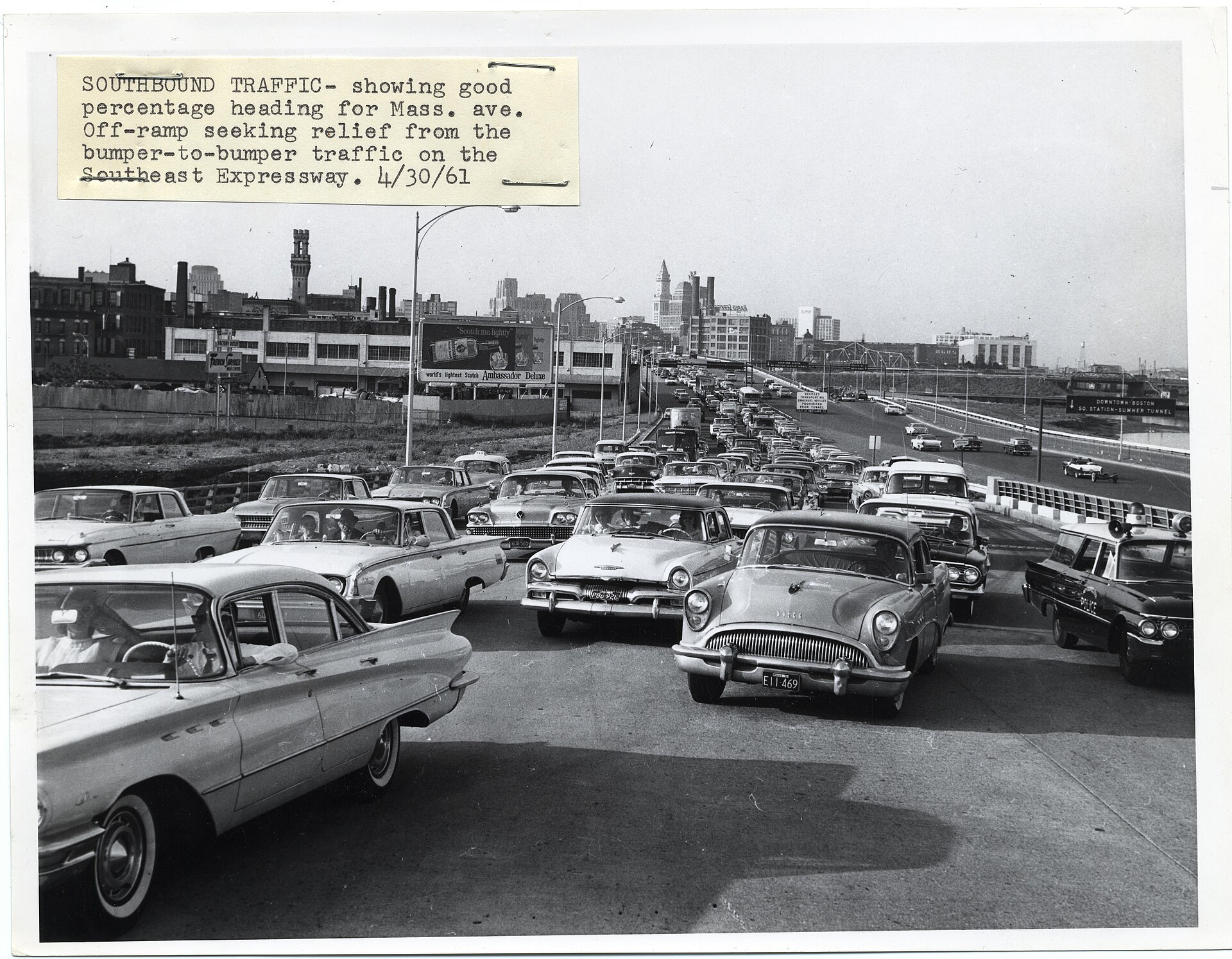
New York charges passenger cars $9 a day to enter Manhattan below 60th Street during peak hours. State officials there say that in the program's first year, 27 million fewer vehicles entered the zone, traffic fell 11 percent and the toll generated more than $550 million in net revenue for subways and buses.
Flynn's resolution makes the opposite case for Boston. It states that congestion fees "will further burden middle-class families, disproportionately impact communities of color, and further strain a struggling public transportation system." It argues that low-income workers "have no choice but to drive to Boston" because of the absence of late-night train service, limited bus schedules and "often unreliable service."
The resolution also ties the issue to the city's finances, stating that Boston is drawing on reserves to cover a $70 million deficit after two consecutive years of residential tax increases above 10 percent. The same Wednesday agenda includes a separate council order relative to the adoption of tax classification and the residential exemption for fiscal year 2027, docket 2026-2163, the annual vote that shapes how the property tax burden is split between homeowners and businesses.
Public opinion data cited in the debate points against a charge. In a Suffolk University and Boston Globe poll released in June, 69 percent of Massachusetts voters said they would not pay to drive into downtown Boston even if it meant less traffic, and 26 percent said they would, Mass Daily News reported.
State leaders have kept their distance. Gov. Maura Healey said on GBH in April, "It's also in a moment where people are already struggling with costs and affordability, so we can't be creating more problems for people." On Beacon Hill, a bill filed by state Sen. Brendan Crighton to create a board that would set a "roadway pricing policy for the Commonwealth," including roads in Greater Boston, has been in the Senate Ways and Means Committee since December 2025.
Council rules allow a resolution to be adopted on the day it is filed or referred to committee if a member objects. The hearing order, if referred, would give councilors a venue to question the administration about the scope and timing of the climate plan's pricing study, which has not been released in draft form.
The meeting begins at noon at City Hall. The agenda also includes unrelated transportation items, including a $798,000 MassDOT microtransit and last-mile grant administered by the Transportation Department to support e-bike subsidies, and a long-term contract for the city's advertising-supported bus shelters and street furniture.
Several questions remain open. The administration has not said when the pricing study will be complete or whether it will recommend any specific charge. No legislation authorizing a Boston toll has been filed. Whether a majority of the 13-member council supports Flynn's resolution will be known only if it comes to a vote Wednesday.