Federal Public Housing Cuts Cost Boston Housing Authority $17.9 Million This Year, Council Resolution Says
HUD is funding operating costs at 86.7% of formula, and the BHA has issued no new federal vouchers since February 2024. A resolution before the City Council urges Congress to reverse course.
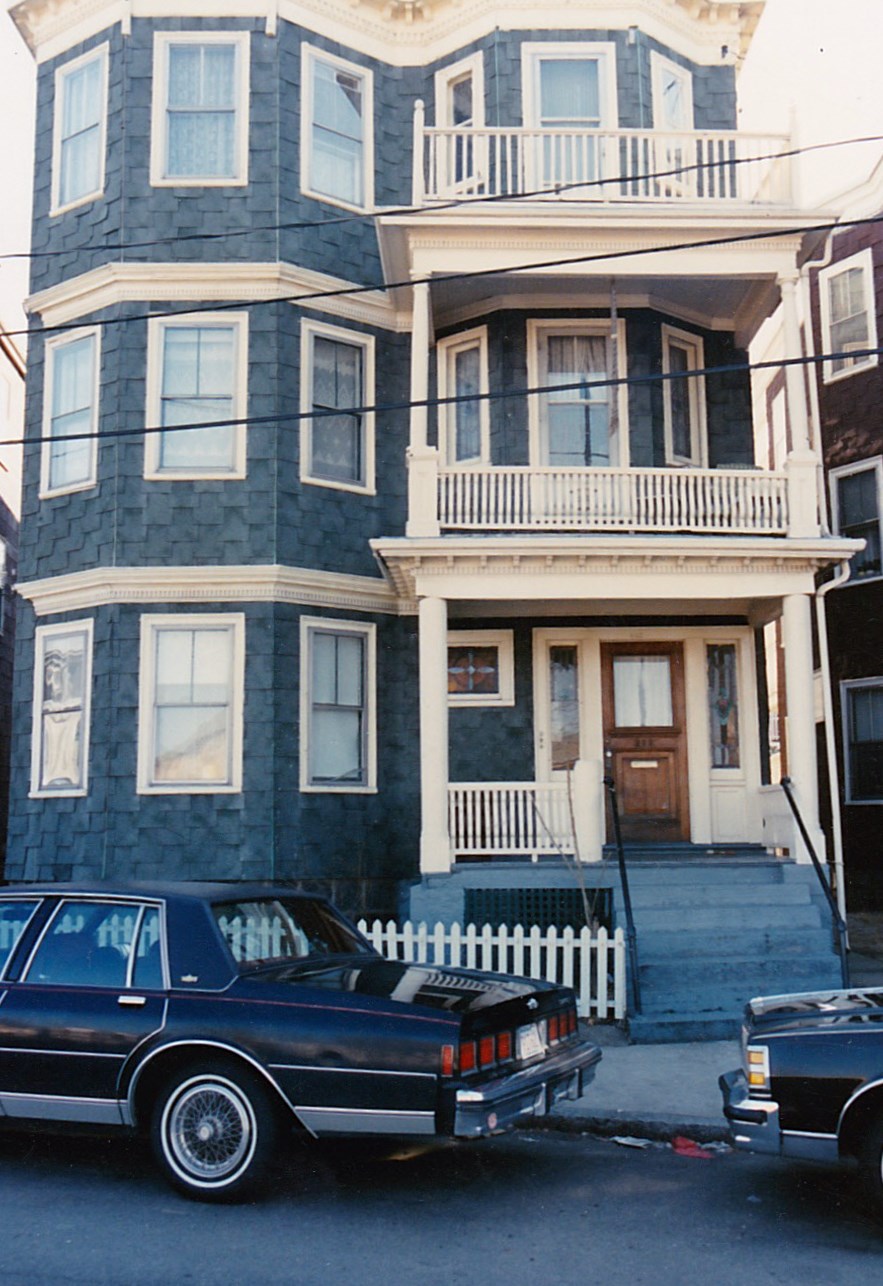
Federal cuts to public housing operating money are costing the Boston Housing Authority $17.9 million in revenue this year, a 27.2% reduction from 2025, according to a resolution before the Boston City Council that calls on Congress to restore funding for public housing and housing vouchers.
The resolution, offered by Councilor Enrique Pepén and on the agenda for the council's Wednesday meeting, describes several federal actions that it says together "fundamentally compromise" housing assistance for Boston's low-income families, seniors and people with disabilities.
The authority is the largest housing provider in the city, supplying public housing and vouchers to more than 62,000 extremely low-income families, seniors and people with disabilities, according to the resolution. It owns 50 public housing developments, 37 of which are funded through the federal public housing operating budget overseen by the U.S. Department of Housing and Urban Development.
The first issue is the operating subsidy. HUD pays housing authorities an operating subsidy calculated by formula and applies a proration rate to that amount; a HUD notice issued this year on shortfall funding describes the amount needed to bring an authority's proration rate to 100 percent. According to the resolution, the federal public housing operating budget has been prorated at 86.7% since January 2026, compared with 102.6% in January 2025.
The resolution says the reduced proration is compounded by "a flawed utility reimbursement calculation, based on national averages, inconsiderate of the unique utility needs and higher energy costs in New England." It says the cuts will affect the authority's ability to staff maintenance, management and security at public housing sites and to maintain units and critical building systems.
The second issue is vouchers. The resolution says the White House Office of Management and Budget is restraining the federal voucher budget, leading to shortfalls that prevent many housing authorities from issuing new vouchers. According to the resolution, the BHA has been unable to issue any new federal vouchers since February 2024 and is now also unable to award new federal Project-Based Voucher contracts to developments that would add deeply affordable housing, including supportive and senior units.
The BHA's own website says it is not accepting new applications for its tenant-based voucher program, that the waiting list is closed until further notice, and that it is issuing new tenant-based vouchers only in very specific circumstances, including to veterans through HUD's VASH program and to households that have lived in project-based programs for at least a year.
Voucher strain is not new in Massachusetts. The Boston Globe reported in June 2025 that most housing authorities in the state had stopped issuing new Section 8 vouchers when tenants gave them up, as flat federal funding failed to keep pace with rising rents. The BHA was then projecting a shortfall of about $26 million, or three weeks of funding, at the end of that year, the Globe reported. "With federal vouchers, you have to run just to stand still," BHA administrator Kenzie Bok told the Globe. About 93,000 Massachusetts households use Section 8 vouchers to help pay rent each month, according to the Globe.
The third issue concerns new construction. The resolution says HUD is trying to limit housing authorities' statutory right to create new deeply affordable units under what is known as Faircloth or "Restore-Rebuild" authority, by retracting already-issued Notices of Anticipated RAD Rent this summer and preventing applications for more.
The fourth concerns families with mixed immigration status. On Feb. 20, HUD published a proposed rule that would end prorated assistance for such households, according to the Federal Register notice and an analysis by the National Low Income Housing Coalition. Under current rules, household members with eligible immigration status receive assistance, while ineligible members do not, and the family pays a prorated rent and can live together. Under the proposal, proration would be allowed only in very limited circumstances, such as while verification is pending, the coalition said. The proposal would also require U.S. citizens in assisted housing to sign consent forms so their information can be checked through the federal SAVE system.
The coalition cited a 2025 estimate by the Center on Budget and Policy Priorities that such changes could cause 80,000 people, including 37,000 children, to lose rental assistance nationwide. Comments on the proposal were due April 21, and the rule does not take effect unless it is finalized, the coalition said. The council resolution says the change "could end federal public housing assistance for hundreds of families in Boston."
The resolution asks Congress to restore the public housing operating budget to at least 100% and to raise the voucher budget enough to take housing authorities out of shortfall. It also asks Congress to include language in the next appropriations bill requiring the administration to reverse its rollback of the Restore-Rebuild program and to require a utility reimbursement calculation that better reflects regional energy costs.
A council resolution expresses the body's position and does not change federal funding. Resolutions are listed on the council's agenda for Wednesday's meeting, which begins at noon.
Sources
- Boston City Council: Resolution urging Congress to reverse cuts to federal public housing and voucher budgets (PDF) (opens in a new tab)
- eCFR: 24 CFR Part 990, Public Housing Operating Fund Program (opens in a new tab)
- HUD: Notice PIH 2026-10 on operating fund shortfall funding (PDF) (opens in a new tab)
- Federal Register: HUD proposed rule, Verification of Eligible Status (Feb. 20, 2026) (opens in a new tab)
- National Low Income Housing Coalition: HUD publishes mixed-status families proposed rule (opens in a new tab)
- The Boston Globe: In much of MA, Section 8 rental housing vouchers are on hold (2025) (opens in a new tab)
- Boston Housing Authority: Voucher programs (opens in a new tab)