FDA Orders a Vision-Loss Warning on Every GLP-1 Drug, From Ozempic to Zepbound. Its Own Trial Analysis Found 6.4 Cases per 100,000 Patient-Years.
The agency's Nov. 9 safety communication covers NAION, a rare optic-nerve condition that can cause sudden, permanent loss of vision in one eye. The risk remains rare; the FDA says patients should report sudden vision changes right away.
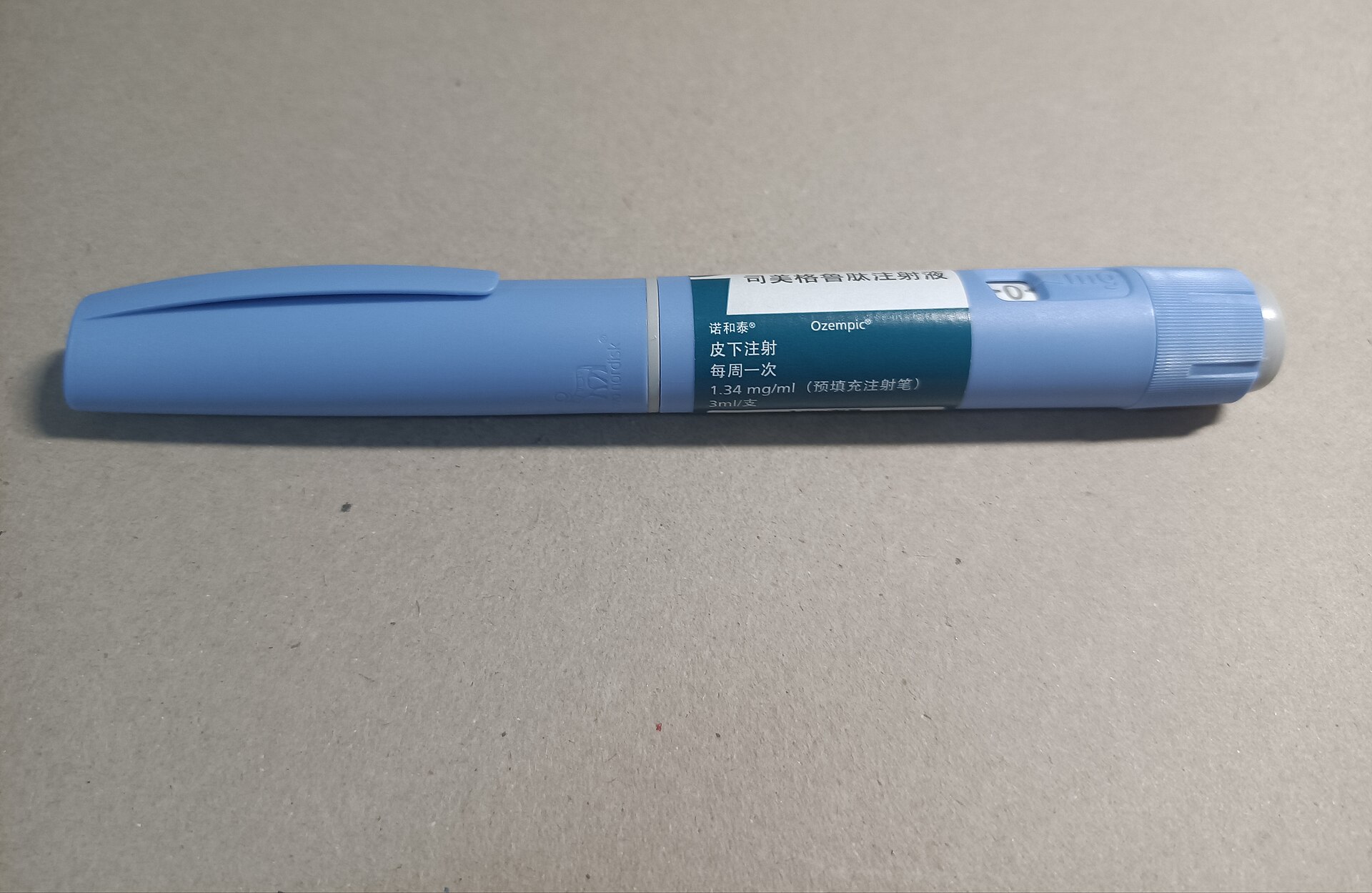
WASHINGTON — The U.S. Food and Drug Administration on Monday required manufacturers of every GLP-1 receptor agonist drug, the class that includes Ozempic, Wegovy, Mounjaro and Zepbound, to add a warning about a potential increased risk of a rare eye condition that can cause sudden and permanent vision loss.
In a Drug Safety Communication dated Nov. 9, 2026, the FDA said it is "requiring application holders for all GLP-1 RA medications to add information to the Warnings and Precautions section of labeling about the potential increased risk of NAION associated with use of these medications." NAION, or non-arteritic anterior ischemic optic neuropathy, "is a rare condition that can result in acute, painless, decreased vision in one eye, including permanent vision loss," the agency wrote.
What the FDA's analysis found. The agency said it performed a meta-analysis because individual trials had too few or no NAION cases to draw conclusions. It pooled 126 randomized, controlled clinical trials across GLP-1 drug development programs, covering 134,253 patients, 78,217 taking a GLP-1 drug and 56,036 receiving a placebo or a non-GLP-1 glucose-lowering drug, with 288,879 person-years of exposure. It found 6.4 NAION cases per 100,000 person-years among GLP-1 users, compared with 3.8 per 100,000 person-years in the comparison group. FDAweb reported that the analysis identified 15 probable NAION events, 10 among GLP-1 recipients and five among comparators.
For context, the FDA said published literature puts the incidence of NAION in the general population at 2.3 to 10.2 cases per 100,000 people a year in adults older than 50.
Which drugs. Drugwatch, citing the FDA, listed Ozempic, Wegovy, Mounjaro, Trulicity, Saxenda, Victoza, Rybelsus, Soliqua, Xultophy, Zepbound and Foundayo, as well as generic exenatide. The FDA said NAION cases have been reported with every GLP-1 drug currently available, the Associated Press reported.
Symptoms and advice. The FDA said symptoms include sudden, painless vision loss in one eye that patients may notice upon waking; blurred or missing portions of vision such as blind spots or tunnel vision; distortion of colors; and reduced central sharpness. Patients should contact a health care professional right away if they have any of those symptoms, the agency said, and patients who have had a NAION event should discuss with their clinician whether to continue the drug.
For clinicians, the agency advised prompt referral to an ophthalmologist when NAION is suspected and said they should "consider discontinuing the GLP-1 RA in patients who develop NAION, unless the benefits of treatment clearly outweigh the risk." It said patients with a history of NAION are at increased risk of recurrence and that if NAION has occurred in one eye, the risk is higher in the other.
Risk factors. The underlying cause of NAION "is not completely understood," the FDA said, and risk factors may include smoking, diabetes, high blood pressure, sleep apnea, anemia and kidney disease, several of which are common among people prescribed GLP-1 drugs for diabetes or obesity.
How the review started. FDAweb reported that the review was prompted by a July 2024 study reporting an association between semaglutide and NAION, and that it included clinical trials, postmarketing adverse event reports, observational studies and animal data. That 2024 study, published in JAMA Ophthalmology and led by Joseph Rizzo of Mass Eye and Ear in Boston, found an association between semaglutide prescriptions and NAION in a retrospective, single-institution analysis, according to Mass General Brigham; it did not establish that the drug causes the condition.
Massachusetts connection. Prescription drug spending is one of the cost drivers state officials planned to examine Tuesday at the Massachusetts Health Policy Commission's annual cost trends hearing in Boston.
What remains unclear. The FDA did not publish the revised label language for each product in the communication, and it did not say when manufacturers must complete the changes. The agency's numbers describe a rare event: the absolute difference it found was about 2.6 additional cases per 100,000 person-years of use.
Sources
- FDA Drug Safety Communication, Nov. 9, 2026 (opens in a new tab)
- Associated Press (opens in a new tab)
- Drugwatch (opens in a new tab)
- FDAweb (opens in a new tab)
- Mass General Brigham (2024 study release) (opens in a new tab)
- JAMA Ophthalmology (2024) (opens in a new tab)
- Ophthalmology Advisor (opens in a new tab)
- CNBC (opens in a new tab)