FDA Ends Approval of a Cancer-Linked Solvent in Inks Used to Mark Fruit and Vegetables, but Says Residues in Spice Colorings Are 'Impurities'
The order, effective Jan. 11, 2027, partially grants a petition from environmental and health groups. A separate order removes the solvent uses for annatto, paprika and turmeric colorings because industry abandoned them.
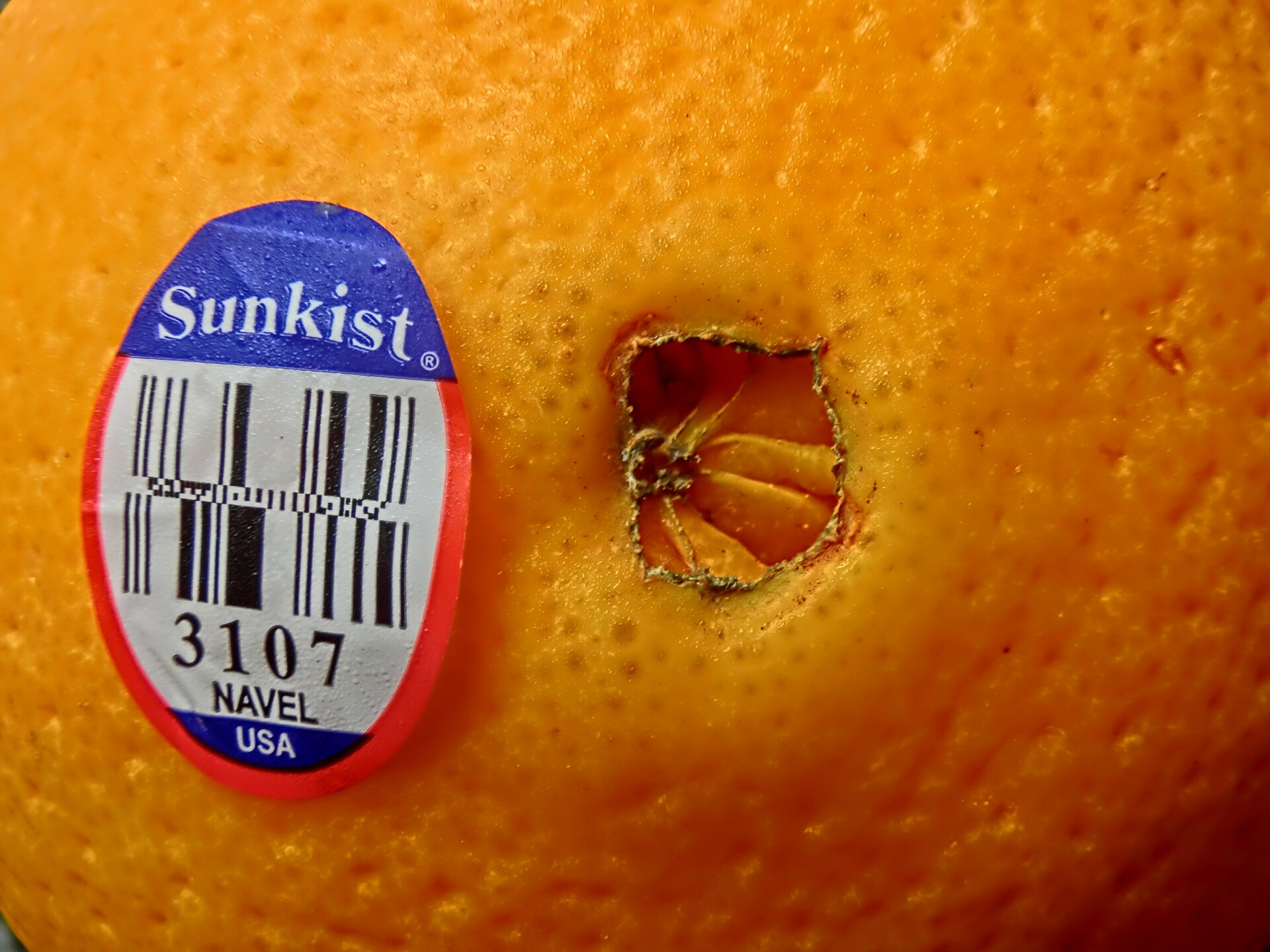
WASHINGTON — The Food and Drug Administration has revoked its approval for methylene chloride as a diluent in color additive mixtures used in inks that mark fruit and vegetables, finding under the Delaney Clause that the solvent induces cancer in animals, according to a final order published in the Federal Register on Tuesday, Nov. 10. The order takes effect Jan. 11, 2027, unless stayed by proper objections, which may be filed until Dec. 10.
The petition. The action partially grants a 2024 color additive petition from the Environmental Defense Fund, Breast Cancer Prevention Partners, the Center for Environmental Health, the Environmental Working Group and consultant Lisa Lefferts, which asked the FDA to remove three solvents, ethylene dichloride, methylene chloride and trichloroethylene, from four color additive regulations, according to the order.
Why methylene chloride in marking ink. The Delaney Clause in the Federal Food, Drug, and Cosmetic Act deems a color additive unsafe for any use that may result in ingestion if it has been found to induce cancer in humans or animals. The FDA said it found all three solvents induce cancer in animals, citing National Toxicology Program and National Cancer Institute studies; for methylene chloride, a two-year inhalation study in mice found increased liver and lung tumors. Because a diluent intentionally mixed with a color to make an ink is regulated as a color additive, the agency said, the methylene chloride use in produce-marking inks must be removed "as a matter of law." The FDA said the revocation is based on the Delaney Clause, not on a finding that the use is unsafe under the general safety standard.
What the FDA denied. The agency denied the petitioners' requests to remove the three solvents as extraction agents for annatto extract, paprika oleoresin and turmeric oleoresin. It said any solvent residue in those colorings would be an impurity in the color additive rather than a color additive itself, and that the Delaney Clause applies to additives, not impurities. Those colorings are already limited to 30 parts per million of total chlorinated solvent residues, the order says.
But those uses are going away anyway. In the same issue of the Federal Register, the FDA published a separate final order granting a petition from the International Association of Color Manufacturers that removes those extraction-solvent uses because industry has abandoned them. "Therefore, FDA is taking all of the actions requested by the petitioners," the agency wrote.
The petitioners' response. EDF said the decision was "a significant step forward" but criticized the impurity reasoning. "Carcinogens do not belong in Americans' food, regardless of their amount or how they're added," said Maria Doa, EDF's senior director of chemicals policy. Thomas Fox of the Center for Environmental Health said the FDA "made up an 'impurity' exception." Lisa Lefferts said the FDA "still has not acted on a related petition to remove other uses of these cancer-causing chemicals, including for decaffeinating coffee." Nancy Buermeyer of Breast Cancer Prevention Partners called the impurity reasoning "a troubling precedent."
What it means for shoppers. The order concerns inks used to mark produce, and the FDA's 1964 listing already required no residue of methylene chloride in that use. The agency's action removes the authorization entirely. It does not address methylene chloride's use as a food additive in decaffeination, which was outside the scope of this petition, according to the order and the petitioners.