The FCC Votes Today on Letting State Prisons Jam Contraband Phones. The Ban It Would Carve Into Dates to 1934.
The order on Thursday's agenda would permit, not require, jamming inside FCC-authorized containment areas after interference testing. Critics warn about 911 calls and prison phone rates.
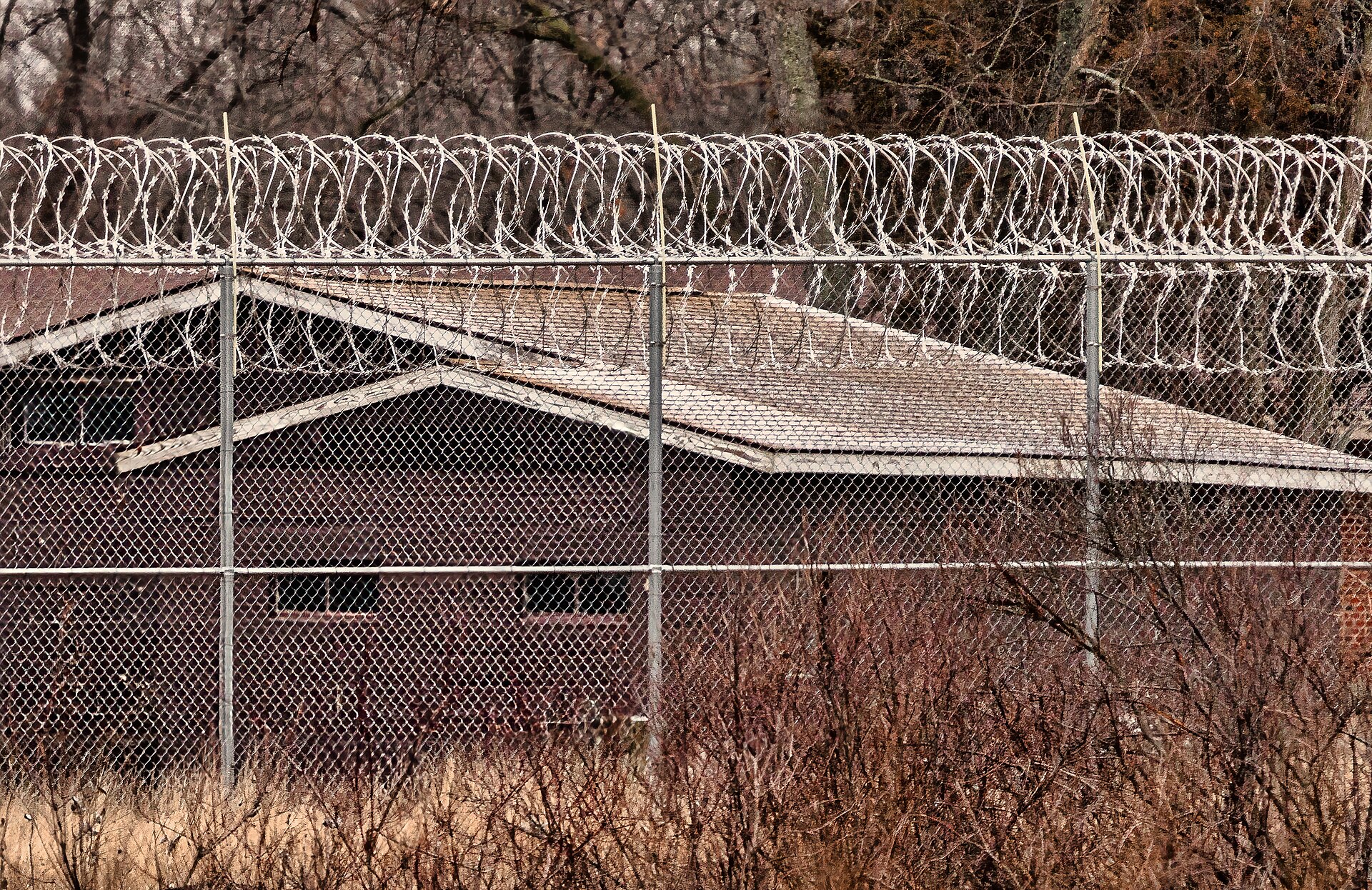
The Federal Communications Commission is scheduled to vote Thursday on an order that would, for the first time, let state and local prisons and jails jam the signals of contraband cellphones. The item is first on the agenda of the commission's November open meeting, which begins at 10:30 a.m. Eastern time at FCC headquarters in Washington, according to the meeting notice published in the Federal Register.
The agenda describes the item, "Combatting Contraband Wireless Device Use in Correctional Facilities" in GN Docket No. 13-111, as a Report and Order "that would authorize non-federal operation of radio frequency jamming solutions in the limited context of correctional facilities, in compliance with applicable congressional statutes." The commission will also consider a Further Notice seeking comment on a framework for jamming on unlicensed spectrum, the application of jamming to satellite communications and potential additional safeguards.
Radio jammers are generally prohibited under the Communications Act of 1934, and federal agencies have been the only ones able to seek authority to use them. The FCC has previously authorized other technologies for prisons, such as systems that detect or intercept contraband phones, but has stopped short of allowing jamming by state and local facilities.
According to the FCC's description of the draft, reported by Communications Daily, correctional facilities could pursue "either of the two licensing paths" to jamming, which "may occur only within a Commission-authorized 'jamming containment area' where wireless device operation is prohibited, and it must not cause harmful interference outside that area." Facilities seeking a license would have to conduct initial testing "to prove that the jamming solution does not cause harmful interference outside of the designated geographic areas," and additional testing at the facility after a license is granted and before operations begin. The order would permit jamming; it would not require any facility to use it.
FCC Chairman Brendan Carr previewed the vote Wednesday in Columbia, South Carolina, alongside South Carolina Attorney General Alan Wilson, state Department of Corrections Director Joel Anderson, Attorney General-elect David Stumbo and U.S. Attorney Bryan Stirling, according to the South Carolina attorney general's office. The release said state and local prisons and jails "will be allowed to jam illegal cell phone signals for the first time after a crucial FCC vote scheduled for Thursday." The Associated Press reported that authorities describe smuggled phones as the No. 1 security threat in the nation's correctional facilities.
Carr announced the vote last month in an appearance with Sen. Tom Cotton, R-Ark., who has led several efforts to change federal law to allow state use of the technology, the AP reported. South Carolina has been a central advocate; state officials have long argued that inmates use smuggled phones to run criminal operations from inside prison walls.
Opponents have raised several objections. Phone companies told the FCC in January that letting prisons jam contraband phones is a bad idea, Ars Technica reported, and critics warn that jammers cannot distinguish contraband phones from lawful devices, including those placing 911 calls, which is why the draft rests on containment areas and testing. The Benton Institute for Broadband & Society argues that blanket jamming lacks evidence that it reduces crime and would push incarcerated people toward the official prison phone services that already hold a captive market, and it has recommended cheaper legal calls, targeted jamming in high-risk areas and measurable pilots instead.
The meeting also includes items on drone spectrum, phone number security, support for rural carriers, telecommunications relay services and satellite connectivity. The commission's agenda notes that items can be changed or removed before the meeting.
Once adopted and published in the Federal Register, prisons would still need to apply for and receive authorization, complete testing and demonstrate containment before switching on any jammer.
Questions that remain include how many state and local facilities apply, how the FCC will verify that signals stay inside containment areas over time, what the Further Notice proposes for unlicensed and satellite services, and whether any party challenges the order in court.
Sources
- FCC: November 2026 Open Commission Meeting (opens in a new tab)
- Federal Register: FCC Open Meeting notice, Nov. 19, 2026 (opens in a new tab)
- South Carolina Attorney General: Wilson, Carr and law enforcement urge FCC to pass rules allowing prisons to jam contraband cell phones (opens in a new tab)
- AP: FCC expected to allow state prisons to jam contraband cellphone signals with Thursday vote (opens in a new tab)
- Benton Institute: The FCC is about to make a captive market more captive (opens in a new tab)
- Ars Technica: Letting prisons jam contraband phones is a bad idea, phone companies tell FCC (opens in a new tab)
- Communications Daily: FCC to tackle cellphones in prisons and robocalls at November meeting (opens in a new tab)