The Skies Came Back Monday. The Explanation Is a Router, and a Funding Bill Congress Has Not Passed.
Friday's nationwide ground stop lasted more than four hours and led to some 18,000 U.S. flight cancellations over three days. Officials say the likely cause was network equipment, not a cyberattack.
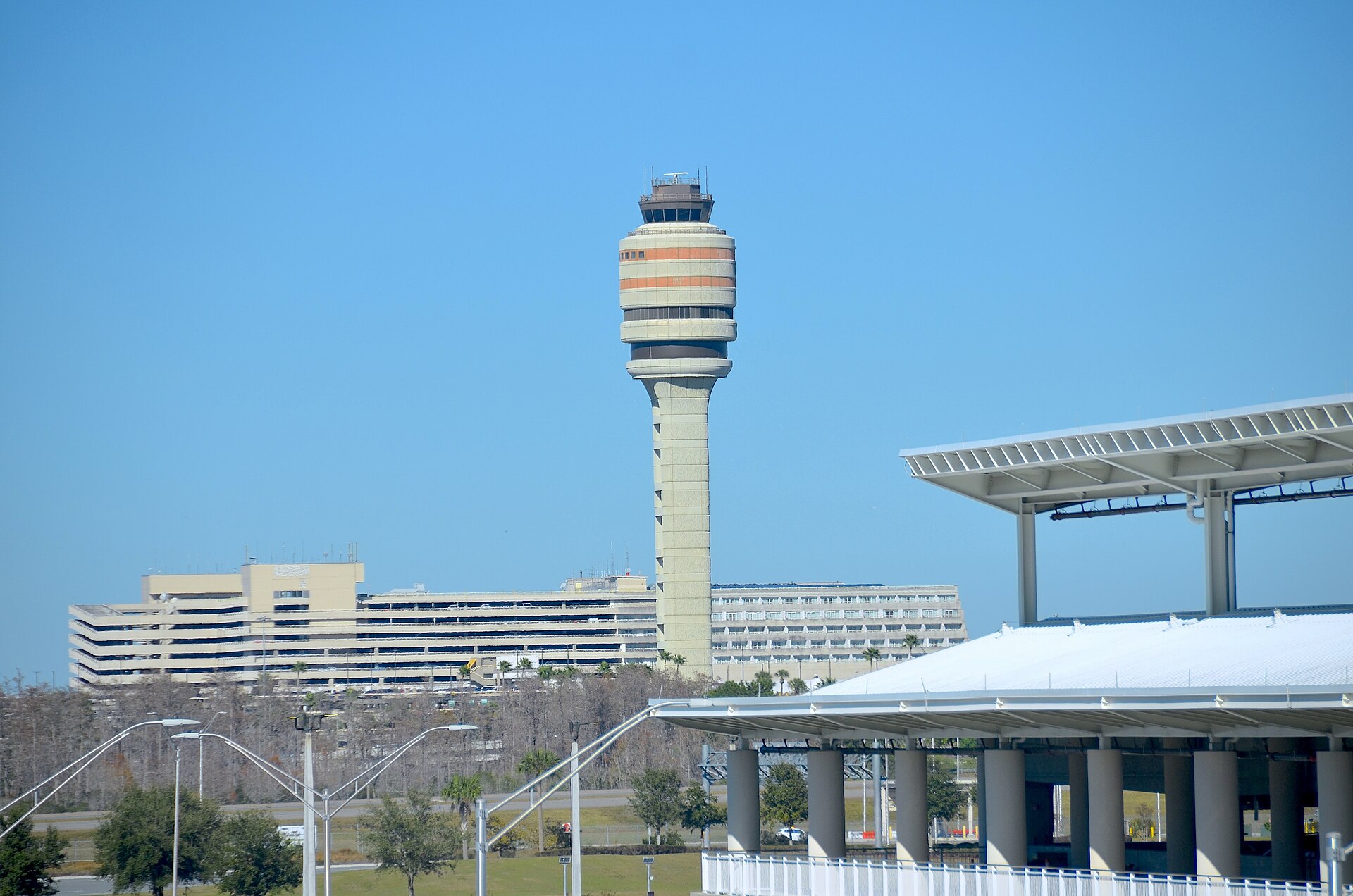
Commercial air travel in the United States was, by Monday afternoon, no longer in the emergency that began Friday. It was in the aftermath. FlightAware figures cited by Reuters and The Points Guy counted more than 18,000 U.S. cancellations over three days — about 9,000 on Friday, about 6,400 on Saturday and about 2,300 on Sunday. By 1:30 p.m. Monday, FlightAware counted only 330 cancellations and about 3,000 delays nationwide, down from more than 2,300 canceled and 11,000 delayed on Sunday.
The halt itself, Reuters reported, stopped departures at every U.S. airport for more than four hours and ended at 8:15 p.m. Eastern, the longest such stop in 25 years. Transportation Secretary Sean Duffy said airlines should be at full capacity by the end of Monday. At Boston Logan, Massport said operations had 'largely returned to normal' even as FlightAware still showed 117 delays and 13 cancellations there at 3 p.m.
Officials have said the cause was network equipment, not a cyberattack. The FAA traced abnormal network activity to facilities in El Dorado, Arkansas, and Amarillo, Texas. Reuters reported that the failure is suspected to have been caused by a single router installed during routine maintenance, which flooded air traffic control systems with data during a copper-to-fiber upgrade. Duffy said Monday that an FAA team was at an L3Harris lab in Florida 'analyzing the router that was the likely cause.' The word 'likely' is doing real work. The root cause is still under investigation. The FAA has not yet published its own finished incident report.
President Donald Trump, speaking Monday, said, according to the Associated Press, 'What you saw on Friday was very, very old equipment that had a heart attack.' He had already used a Sunday social media post to ask Congress for more money for aging FAA equipment. Duffy has been making a similar pitch for telecommunications modernization, the same category of work that includes the copper-to-fiber upgrade in which this router was installed. The funding fight predates last week's failure by years.
That is the policy hinge. A router that floods a network during an upgrade is a technical event. A system that is still running on aging copper, with modernization money stalled in Congress, is a political one. Monday's recovery shows that the system can be restarted. It does not show that the next routine maintenance window will be uneventful. Thanksgiving week, the busiest travel period of the year, begins in days, not weeks.
Friday's halt was the second nationwide ground stop since the Sept. 11, 2001, attacks. The previous one, in January 2023, followed an outage of the FAA's Notice to Air Missions system. The two events are not the same failure. One was a software outage in a notice system. This one, officials say, involved network hardware during an infrastructure upgrade. The comparison that matters is simpler: twice in four years, the country has had to stop departures everywhere at once.
What remains unpaid, in the legislative sense, is the telecommunications bill Duffy wants passed quickly. What remains unsaid, in the investigative sense, is a final FAA account of the router, the Arkansas and Texas facilities, and the reason a single piece of equipment could propagate so far. Until that report appears, the public has a likely cause, a three-day cancellation count, a Monday recovery, and a holiday week already on the calendar.
Airlines, for their part, spent the weekend rebooking passengers and repositioning crews. A cancellation count that falls from 9,000 to 330 in three days is a logistical achievement and also a reminder of how many people were moved, delayed, or stranded in between. Residual delays on Monday were the visible remainder of that work: aircraft and flight attendants still out of position, connections missed, and a system that had been stopped at midafternoon on a Friday and asked to be whole by Monday night.
Duffy's visit of an FAA team to a vendor lab is the closest thing so far to a public investigative step. It is not a completed finding. A 'likely' router, two named facilities, and a copper-to-fiber upgrade are the working theory. Congress, if it acts on the funding request before the holiday peak, will be acting on that theory and on a failure that has already happened. If it does not, the next maintenance window will arrive with the same political argument and a fresher example.
Sources
- boston.com: More than 100 flights delayed, cancelled at Logan Airport, Nov. 16, 2026 (opens in a new tab)
- NBC10 Boston: Logan flight delays ease but cancellations continue nationwide (opens in a new tab)
- GBH: Logan Airport travelers weathered the ground stop. Now, they face the Thanksgiving rush. (opens in a new tab)