Investigators Recreated the Data Flood That Grounded Every U.S. Flight. They Still Do Not Know Why Two Routers Failed.
The FAA says legacy equipment destabilized when 1,000 connection attempts every four to five seconds hit its network on Nov. 13. Transportation Secretary Sean Duffy now wants $50 billion for a new system.
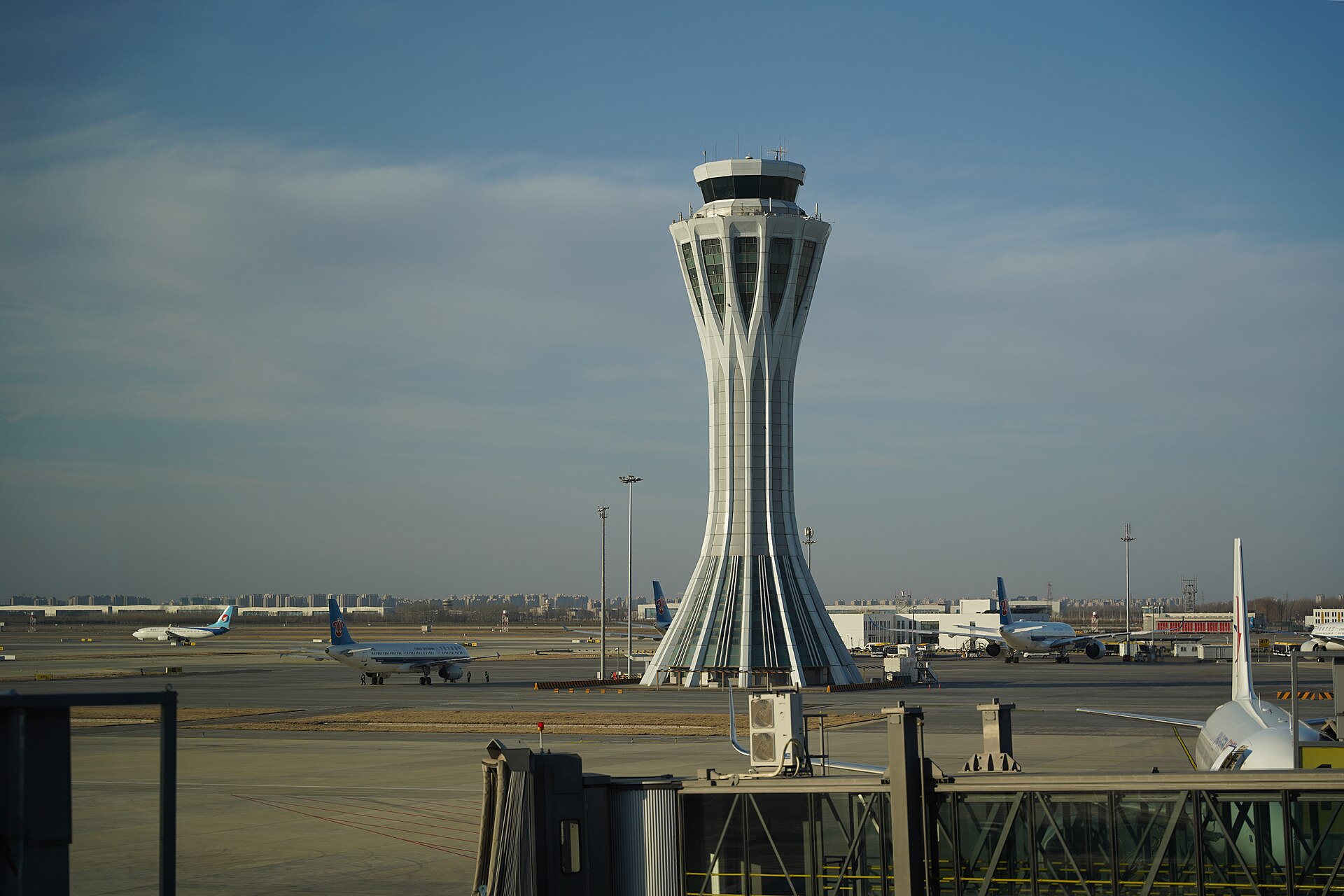
Engineers investigating the Nov. 13 nationwide ground stop have replicated the conditions that overwhelmed parts of the U.S. air traffic system, but have not determined why two routers failed, people familiar with the investigation told CNBC on Wednesday. The ground stop lasted more than four hours, the longest halt to U.S. flight departures since Sept. 11, 2001.
The Federal Aviation Administration's own account, published in a question-and-answer page, says the problem began at about 3:30 p.m. Eastern time on Nov. 13. The FAA said its "legacy equipment became unstable when data began flooding the FAA FTI network, at a rate of 1,000 connection attempts every 4 to 5 seconds," disrupting the system and creating instability in aircraft communications and radar feeds. Instability began at 17 of the agency's 22 Air Route Traffic Control Centers and spread into several Terminal Radar Approach Controls. The system was stabilized and traffic resumed at 8:15 p.m.
The FAA said its initial investigation pointed to two potential sources of the excessive data: a radar site in Amarillo, Texas, and a radio communications site in El Dorado, Arkansas. L3Harris Technologies, the FAA's network service provider, had been doing work at El Dorado, including deploying a new router. When the data inconsistencies appeared, L3Harris blocked the two locations and the network stabilized, the agency said. The broadcasting function was disabled on all new routers as a precaution. Investigators told CNBC that within eight minutes of its installation, the router began transmitting too much data within the network.
Replicating the problem in a lab in Florida is progress, according to the people who spoke to CNBC, but finding the root cause is critical to determining whether other routers that form the backbone of the national network could have the same issue.
The FAA said safety was not compromised. Certain radio frequencies and radar feeds remained operational throughout, allowing controllers to communicate with and track aircraft, and every aircraft landed safely, the agency said. Transportation Secretary Sean Duffy and FAA Administrator Bryan Bedford have said there is no indication of a cyberattack. "Based on all available evidence, we have no indication that this was a cyberattack or an outside nefarious actor," the FAA wrote.
The agency also rejected the idea that modernization caused the outage. "No, this is due to the legacy TDM system causing instabilities," the FAA wrote, adding that none of the upgraded towers modified with funding from the Working Families Tax Cuts law went down. The FAA said the transition from obsolete copper wiring has been underway for years and should be distinguished from its broader modernization program. It also said its SMART data aggregator is unrelated to the air traffic control system.
L3Harris said it and other technology companies have completed more than 70% of the planned conversion of airspace communications from copper to fiber optics. "We are supporting the FAA in its investigation to understand the conditions that led to the Nov. 13 ground stop of our nation's air travel," the company said. "L3Harris takes the nationwide ground stop and its impact on travelers, airlines and air traffic operations seriously."
The outage has raised the price tag of the administration's request. Duffy originally asked Congress for $30 billion to build a digital network incorporating artificial intelligence and has now asked for $50 billion, CNBC reported. In Boston, Universal Hub reported that Air Space Intelligence, a company with a $875 million, 12-year federal contract to embed AI in air traffic control, said it had nothing to do with the disruption.
Unresolved: why the router behaved as it did, whether other installed routers share the flaw, how long the copper-to-fiber conversion will take to finish, and whether Congress approves the larger funding request.
Sources
- FAA: Nationwide Ground Stop: Questions and Answers (opens in a new tab)
- FAA: Statement on Nationwide Ground Stop (opens in a new tab)
- CNBC: FAA ground stop investigation: engineers replicate network overload (Nov. 18, 2026) (opens in a new tab)
- Universal Hub: Newbury Street company says its AI software had nothing to do with ground stop (opens in a new tab)