Youth-Led Cost-of-Living Protests Drew Hundreds of Thousands Across Europe. Many Ended in Violence
About 320,000 marched in France, more than 100,000 in Germany. Paris prosecutors opened an attempted-murder inquiry after incendiaries were thrown at officers. Lisbon police cleared a housing camp at dawn.
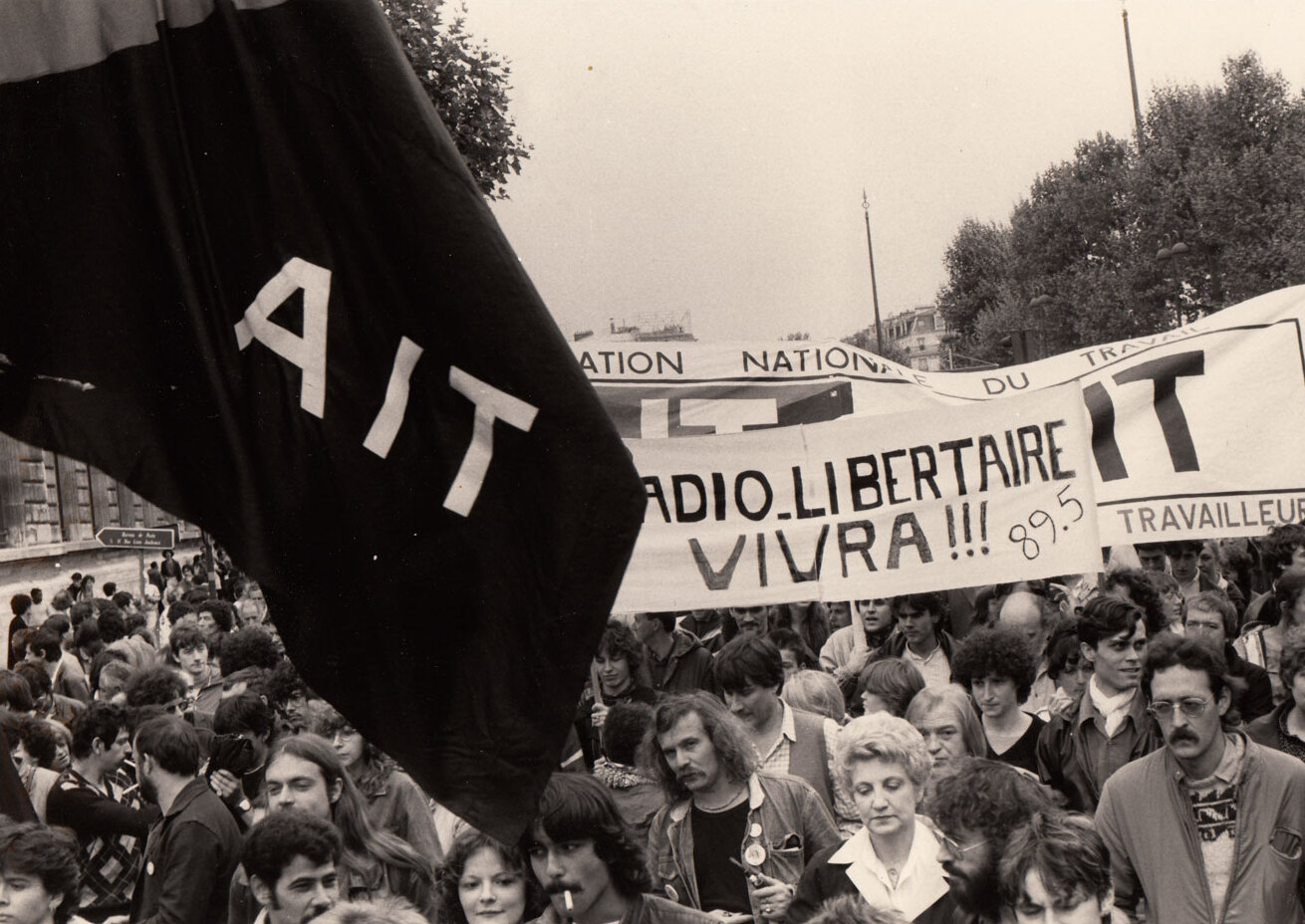
Largely peaceful, youth-led demonstrations over education, housing and the cost of living drew hundreds of thousands of people into the streets across Europe on Saturday, and in several countries ended in clashes with police, The Guardian reported Sunday.
Protests over deteriorating public services, declining prospects, unaffordable housing and rising prices have shaken a number of countries this autumn. Saturday's were among the largest.
An estimated 320,000 demonstrators, some in Halloween costumes, marched in Paris, Marseille, Grenoble, Bordeaux, Lyon and Toulouse, The Guardian reported. As rallies ended, masked and hooded groups arrived, and Interior Minister Laurent Nuñez described an "extraordinary" level of violence. More than 770 people were taken into custody.
In Paris, the prosecutor's office said incendiary devices were thrown at a group of about 15 gendarmes and police officers and opened a formal investigation for "attempted murder of persons vested with public authority." Injuries reportedly included second-degree burns.
The violence was well below that of Oct. 17, when 2,600 people were detained and as many as 3,000 shops were looted in one of the worst nights of urban unrest in France's recent history, according to The Guardian.
More than 100,000 people marched in over 30 German cities, in protests led by a campaign called "Gen Z regelt" ("Gen Z will sort it") demanding better education and lower living costs, The Guardian reported. In Frankfurt, rioters damaged 17 shops, looted five and threw missiles including petrol bombs, said Roman Poseck, interior minister of the state of Hesse. More than 100 of the 1,300 officers deployed were injured, and 54 suspects aged 13 to 29 were detained.
"I am shocked by what I have seen, and there is no point in sugar-coating it," Poseck said. Federal Interior Minister Alexander Dobrindt said those responsible "will be identified and held accountable" and called for tough penalties. Police used water cannon in Cologne, and officers in Berlin were attacked with bottles and fireworks. Gen Z regelt issued a statement distancing itself from all violence.
Dobrindt and Poseck attributed much of the violence to left-wing groups and people from migrant backgrounds, while Poseck also said most of those detained were German nationals. Those characterizations are officials' statements; The Guardian did not report independent data on who took part.
In Lisbon, riot police cleared protesters from Rossio Square at about 4:30 a.m. Sunday after thousands marched over the housing crisis and set up camp. They are demanding that Portugal's minority center-right government withdraw a bill that would make evictions easier and end rent caps on new leases. A smaller camp in Porto was also cleared.
In Tirana, Albania, masked protesters threw stones and firebombs at police at a demonstration demanding the resignation of Prime Minister Edi Rama over perceived corruption; the interior ministry said 350 people had been hurt in the protests, including 200 police. In Zurich and Basel, unauthorized demonstrations under the slogan "We've had enough in Switzerland, too" ended with police using water cannon and tear gas in Zurich, according to Swiss media cited by The Guardian.
The demands are local, but the themes repeat: rents, eviction rules, school and university conditions, and wages that have not kept pace with prices. The protests have been organized largely online by young people without traditional party structures, which makes them hard for governments to negotiate with and hard for organizers to control when others arrive intending violence.
The same pressures drive politics in Massachusetts, where housing costs are among the highest in the country and several of Tuesday's ballot questions, including the starter-homes zoning measure, deal with housing. Europe's experience shows how quickly housing anger can move from ballots to streets when people believe institutions are not responding.
Whether Portugal withdraws or amends its eviction bill, whether France's attempted-murder inquiry produces charges, and whether further dates are called by the youth movements are the next markers.