The Senate Wants Auditor DiZoglio's Lawsuit Dismissed as Moot. A Suffolk Judge Is Hearing That Argument Today.
The case is already narrowed. The Supreme Judicial Court in May limited it to four document requests from January 2025. Tuesday's session is about whether even that remainder should be thrown out.

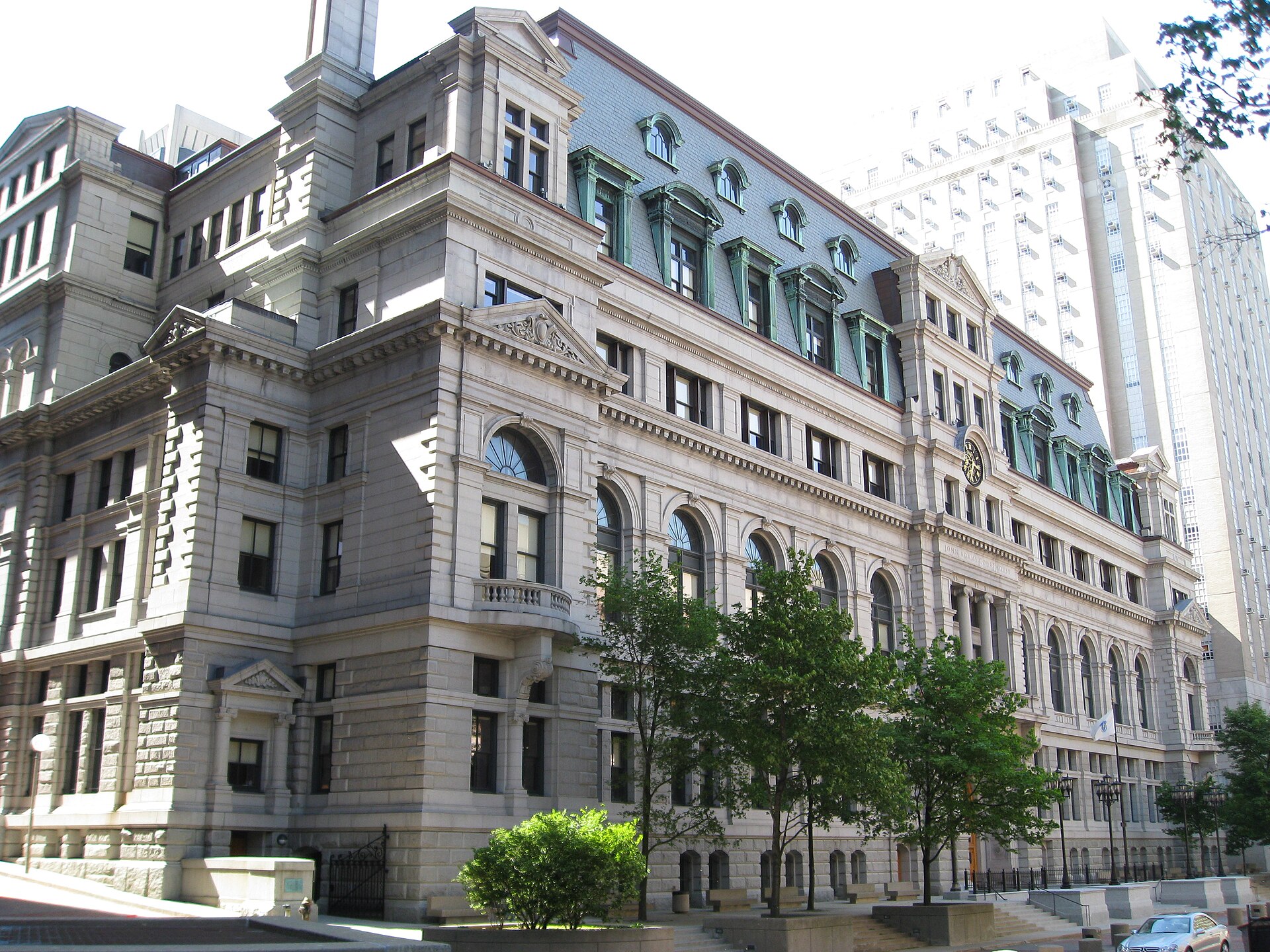
A Suffolk Superior Court hearing is scheduled for 2:30 p.m. Tuesday on the Senate's motion to dismiss, as moot, Auditor Diana DiZoglio's lawsuit over her attempt to audit the Legislature. Judge David Deakin is assigned to hear it, according to the State House News Service daily calendar.
The lawsuit is the leftover fight from a 2024 ballot law that authorized the auditor's office to audit the Legislature. House Speaker Ronald Mariano, Senate President Karen Spilka and the House and Senate clerks are the defendants. DiZoglio sued in February after, she said, Beacon Hill's leaders blocked her from doing the work voters had authorized. GBH and other outlets reported the filing at the time.
The case is already much smaller than the campaign slogan. Under a May 7 order from the Supreme Judicial Court, the dispute is limited to four document requests DiZoglio made in January 2025. The State House News calendar describes those requests as official financial materials. The Senate's motion argues, according to that preview and to a Boston Globe newsletter item published Monday, that the chamber has already supplied the financial information at issue and that the court should not, or need not, compel anything more. DiZoglio's office has sought, among other records discussed in coverage of the case, budgets, chamber audits, balance-forward data and employee-settlement records.
A motion to dismiss as moot is a particular kind of argument. It does not say the auditor never had a right to the records. It says the fight is over because the records, or enough of them, have already been produced. If Deakin agrees, a voter-approved audit law could be left standing as a statute and still have no live case attached to it, at least in this courtroom, at least on these four requests. If he disagrees, the Senate will have to keep answering a complaint it hoped had expired of its own accord.
The political backdrop is not subtle. DiZoglio was reelected this month by a wide margin, a result that her supporters have read as a referendum on the audit. The House and Senate, both still under Democratic control, have treated the same result as irrelevant to a separation-of-powers objection they have had from the start. Those are political readings. They are not the legal question in front of Deakin. His question is narrower: whether, after the SJC narrowed the case and after the Senate says it has produced the documents, anything remains for a Superior Court judge to order.
The timing is also part of the official calendar, not a coincidence of news judgment. Lawmakers are in the late-session grind toward a Jan. 5 cutoff for unfinished bills. An auditor who wants to examine the Legislature's books is in a courtroom asking a judge to make the Legislature open them. The Senate is asking the same judge to say the request is already obsolete. A ruling may not come on Tuesday. Motions to dismiss are often taken under advisement.
Until an order is issued, the public facts are the ones already on the docket. Voters approved an audit law in 2024. The auditor sued in 2026. The state's highest court cut the case down to four January 2025 document requests. The Senate says those requests are moot. The auditor says they are not. A Suffolk judge is scheduled to hear that disagreement this afternoon. What he does with it will decide whether the ballot law still has a live enforcement case, or only a statute and a political argument.
This account does not report a result from a hearing that, as of this writing, has not been described in a published order. It reports the motion, the court, the time, and the limits the SJC already placed on the file. Those are the facts a member of the public can use to follow what happens next.
The deeper institutional question will outlast Tuesday's motion. A ballot law that tells an auditor to examine the Legislature, and a Legislature that has spent two years resisting the examination, cannot both be fully honored without a referee. The SJC has already been that referee once, and it narrowed the file rather than ending it. Deakin is being asked to end the remainder. If he does, the next move is legislative or electoral, not judicial, unless DiZoglio files again. If he does not, the clerks and the leadership will have to keep producing paper in a case they hoped had become academic.
Sources
- State House News Service: Daily Advances, Tuesday, Nov. 17, 2026 (opens in a new tab)
- Boston Globe, The Scrum: Where the hell is the audit? Back in court, actually., Nov. 16, 2026 (opens in a new tab)
- GBH: DiZoglio sues Beacon Hill's top lawmakers for blocking her audit, Feb. 10, 2026 (opens in a new tab)
- Complaint and exhibits (WBUR document post) (opens in a new tab)