Judge Tells Senate It Can't Call the Audit Case Moot and Also Win on the Constitution. The Next Hearings Are Dec. 2 and Jan. 19.
Suffolk Superior Court Judge David Deakin pushed back on the Senate's argument that records it delivered to Auditor Diana DiZoglio ended her lawsuit. Separate constitutional hearings for the House and Senate are scheduled.
A Suffolk Superior Court judge on Monday questioned the Massachusetts Senate's argument that it has already satisfied Auditor Diana DiZoglio's demand for records, signaling that the chamber cannot ask the court to declare her lawsuit moot while also asking for a ruling that the voter-approved audit law is unconstitutional.
"It seems to me that you can't have your cake and eat it too," Judge David Deakin told the Senate's lawyers, according to the State House News Service.
The hearing was the latest step in the auditor's lawsuit against the Legislature, which she filed to enforce a 2024 ballot question that gave her office explicit authority to audit the House and Senate. Voters approved the measure with 72 percent support. Legislative leaders have argued that the law, as applied to them, violates the separation of powers in the state constitution.
In January 2025, DiZoglio's office asked the Senate for records in four categories covering fiscal years 2021 through 2024: budgets, audits, balance-forward transactions and settlements. The Senate voted on May 28 to release documents and delivered them on June 1, according to court arguments reported by the News Service and NBC Boston. Senate counsel James DiTullio has described that production as complete.
In court Monday, Senate lawyer Jennifer Grace Miller argued that the records delivery left nothing for the court to order. "The auditor's not entitled to additional relief," she said, describing the request as moot. Lawyers for the auditor disagreed, arguing that handing over selected documents is different from submitting to an audit. "They're not audits," attorney Shannon Liss-Riordan said of the records the Senate provided.
Deakin's comment pointed to a tension in the Senate's position. If the records delivery ended the dispute, there would be no need for a ruling on whether the audit law is constitutional. If the chamber still wants that ruling, the case is not moot. The judge did not issue a decision from the bench, and the News Service reported that he signaled he may defer the records question until the constitutional issue is resolved.
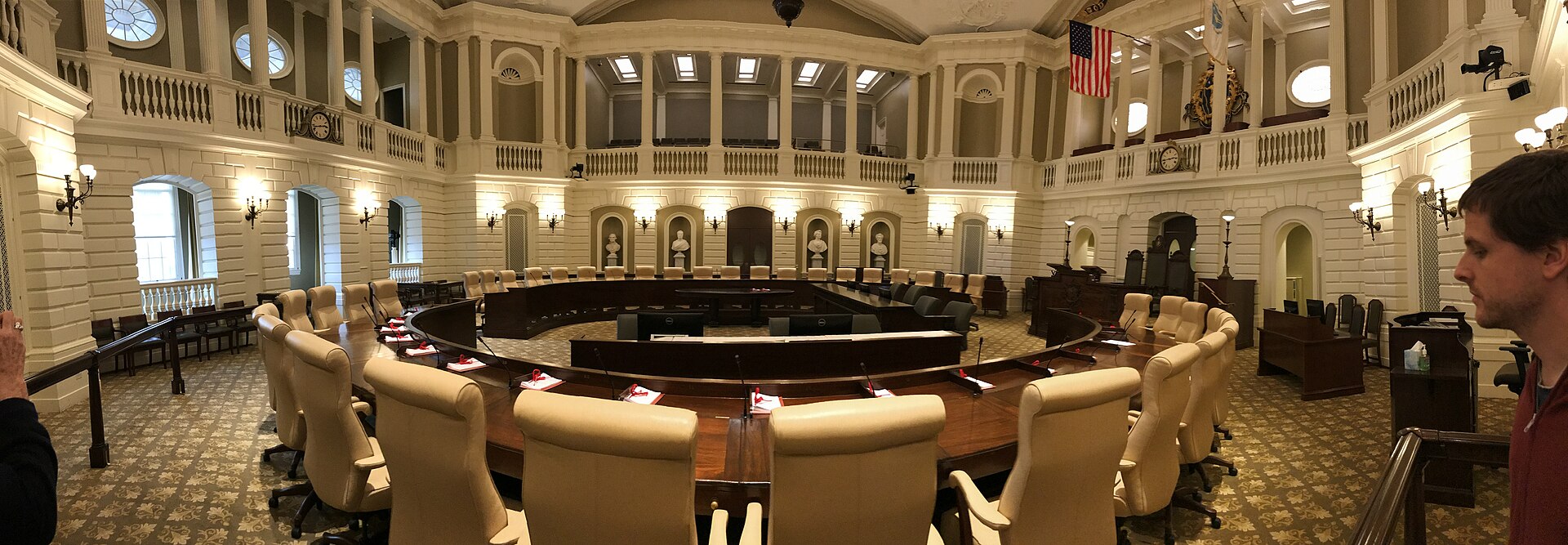
Two separate constitutional hearings are scheduled. The House's constitutional arguments are set for Dec. 2. The Senate's constitutional hearing is set for Jan. 19, after the current legislative term ends and the new Legislature is sworn in.
The case is unfolding alongside a legislative effort to define the auditor's powers. A compromise bill in conference would limit the auditor's review of the Legislature to four administrative categories and bar courts from enforcing broader access, according to the News Service. That bill has not been enacted.
The dispute has stretched across nearly two years. DiZoglio, a former state senator, has made legislative transparency a central theme of her tenure. Legislative leaders have maintained that an audit of the Legislature by another constitutional officer raises separation-of-powers concerns that only a court can resolve, which is why the Senate continues to press its constitutional argument even after delivering records.
The stakes extend beyond the auditor's office. If Deakin rules that the 2024 law can be applied to the Legislature, lawmakers would face audits of their spending, contracts and internal operations by an independently elected official for the first time in decades. If he rules for the Legislature on separation-of-powers grounds, the ballot question would remain on the books but have little practical force against the House and Senate.
The ballot measure, Question 1 in November 2024, amended the state law governing the auditor's office to say explicitly that the auditor may audit the General Court. Supporters argued the Legislature was one of the least transparent in the country, since it exempts itself from the public records law. Opponents in the Legislature said the measure could not override constitutional protections for a separate branch of government, a position legislative leaders have maintained in court ever since.
The losing side could ask the Appeals Court or the Supreme Judicial Court to take up the constitutional question, which would extend the timeline well into 2027.
Questions that remain: whether Deakin will rule on mootness before the constitutional hearings, whether the conference committee will finish its bill before the term ends Jan. 5, and whether a law limiting the auditor's powers would affect a lawsuit already in progress.
Sources
- State House News Service: 'You can't have your cake and eat it too,' judge tells Senate in audit case (opens in a new tab)
- NBC Boston: Judge hears arguments in Mass. audit lawsuit (opens in a new tab)
- Focal News: Suffolk Superior Court judge weighs whether Senate must turn over records (opens in a new tab)